


TikTok Under Scrutiny Amidst Concerns of Election Manipulation and DSA Compliance
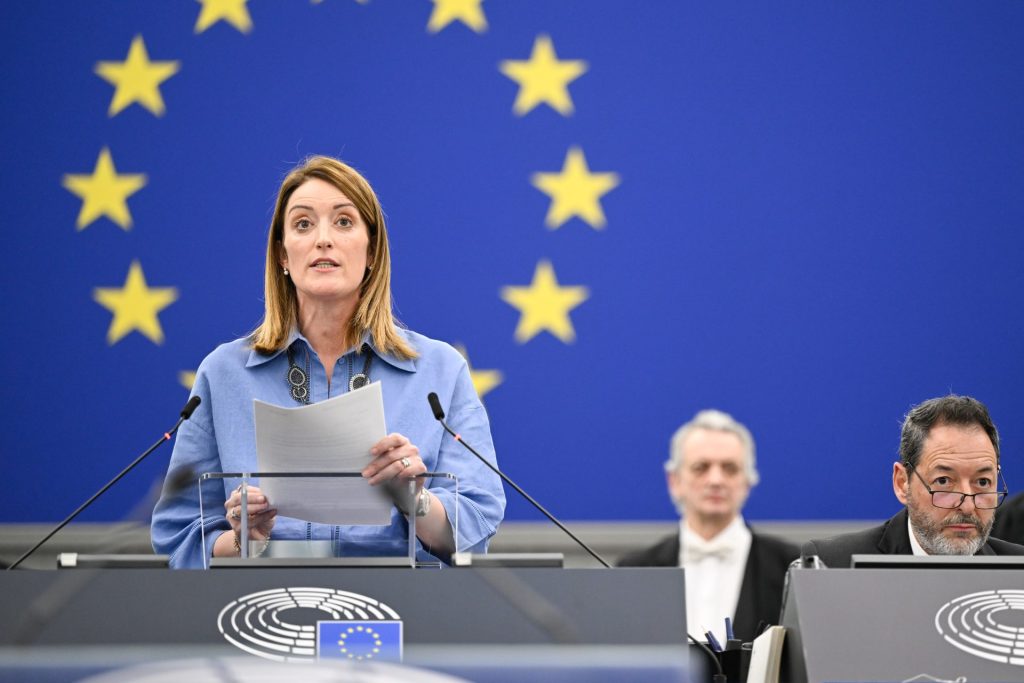
Brussels – The European Parliament is intensifying its scrutiny of TikTok, the popular social media platform, over growing concerns about its potential role in manipulating elections and its adherence to the Digital Services Act (DSA). The platform’s influence and vast user base have placed it directly in the crosshairs of regulators determined to safeguard the democratic process and ensure a safer online environment for European citizens. Recent discussions within the Internal Market Committee, followed by a plenary debate today, highlight the increasing pressure on TikTok to demonstrate its commitment to transparency and accountability. The core issue centers around the platform’s vulnerability to the spread of misinformation and disinformation, particularly in the context of upcoming elections across the European Union.
The Digital Services Act (DSA), a landmark piece of legislation aimed at regulating online platforms, sets forth stringent requirements for content moderation, transparency, and user protection. MEPs are particularly focused on TikTok’s compliance with these regulations, demanding clear evidence of the platform’s efforts to combat the spread of harmful content, including disinformation related to elections. The discussions within the Internal Market Committee served as a preliminary forum for TikTok representatives to address these concerns and outline the platform’s strategy for ensuring a safe and transparent online space. However, the subsequent plenary debate signifies a broader engagement with the issue, involving not only TikTok but also the European Commission, underscoring the seriousness of the situation.
The debate, titled "Misinformation and disinformation on social media platforms such as TikTok and the associated risks to the integrity of elections in Europe," reflects the Parliament’s deep unease regarding the potential impact of social media manipulation on democratic processes. The recent surge in disinformation campaigns targeting elections worldwide has fueled concerns that platforms like TikTok, with their massive reach and algorithmic amplification capabilities, could be exploited to sway public opinion and undermine democratic institutions. MEPs are seeking concrete assurances that TikTok is adequately equipped to detect, mitigate, and prevent such manipulation. This includes demands for greater transparency regarding the platform’s algorithms, content moderation practices, and its response to disinformation campaigns.
The specific concerns raised during the Internal Market Committee discussions revolve around several key areas. Firstly, the Committee sought clarification on TikTok’s mechanisms for identifying and removing disinformation related to elections. This includes questions about the platform’s ability to detect and counteract coordinated disinformation campaigns, often originating from foreign actors seeking to interfere in European elections. Secondly, MEPs pressed TikTok representatives on their efforts to ensure the transparency of political advertising on the platform. The DSA mandates strict regulations on political advertising, requiring platforms to disclose the source of funding and the targeting parameters of such ads. The Committee is keen to ascertain TikTok’s compliance with these regulations and its ability to prevent the misuse of political advertising for manipulative purposes.
Furthermore, the discussions delved into the broader issue of algorithmic amplification and its potential to contribute to the spread of disinformation. Algorithms used by social media platforms to personalize content and maximize user engagement can inadvertently amplify harmful content, including disinformation, creating echo chambers and reinforcing pre-existing biases. The Committee sought assurances from TikTok that it is actively working to mitigate the risks associated with algorithmic amplification and that its algorithms are designed to prioritize authoritative and trustworthy sources of information. This includes demands for greater transparency in how TikTok’s algorithms function and their impact on the information ecosystem.
The plenary debate with the Commission is expected to further escalate the pressure on TikTok and address broader questions about the role of social media platforms in safeguarding democratic processes. MEPs are likely to press the Commission on its enforcement of the DSA and its capacity to hold platforms accountable for violations. The outcome of this debate could have significant implications for the future regulation of social media in Europe and set a precedent for how platforms are expected to address the challenges of disinformation and election manipulation. The focus remains on ensuring that platforms like TikTok are not only compliant with the law but also actively contribute to a more transparent and democratic online environment.