


Dublin Garda Stabbing: A Case Study in the Rapid Spread of Misinformation
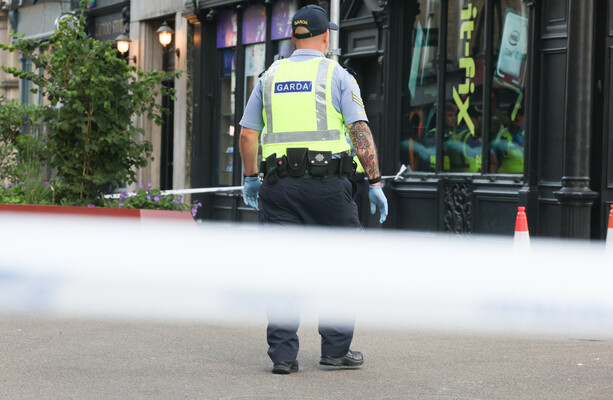
A routine Thursday evening on Dublin’s bustling Capel Street spiraled into chaos on May 11, 2023, when a Garda officer was stabbed multiple times while attempting to apprehend a suspect. While the physical wounds inflicted were severe but non-life-threatening, the incident rapidly became a breeding ground for misinformation, highlighting the speed and pervasiveness of false narratives in the digital age. Within minutes of the attack, inaccurate and often inflammatory claims began circulating across social media platforms, morphing the incident into a symbol of various pre-existing societal anxieties, ranging from immigration concerns to anti-police sentiment. This rapid dissemination of falsehoods underscores the urgent need for critical thinking and media literacy in an era where information, both accurate and fabricated, travels at the speed of light.
The initial reports, often fragmented and lacking crucial context, provided fertile ground for speculation. Some early social media posts erroneously identified the suspect as a foreign national, fueling xenophobic rhetoric and prompting calls for stricter immigration controls. Others falsely claimed that the Garda officer had died, amplifying the perceived danger and creating a climate of fear and outrage. These initial inaccuracies, often shared with good intentions but without verification, gained traction quickly, becoming embedded in online discourse before official sources could clarify the situation. This highlighted the inherent vulnerability of real-time information environments to manipulation and distortion.
The Garda Representative Association (GRA), while understandably concerned for their colleague’s well-being, inadvertently contributed to the spread of misinformation. In the immediate aftermath of the stabbing, some GRA representatives issued statements based on incomplete or unverified information, unintentionally amplifying some of the false narratives already circulating online. While their concerns for the injured officer were legitimate, the premature release of information, before a complete picture of events emerged, added fuel to the already raging fire of online speculation, demonstrating the delicate balance between informing the public and contributing to the spread of misinformation, even unintentionally.
Exacerbating the situation was the deliberate spread of disinformation by certain actors. Exploiting the existing anxieties and biases within online communities, some individuals or groups actively promoted false narratives aligned with their own agendas. Whether motivated by anti-immigrant sentiment, anti-police bias, or simply a desire to sow discord, these malicious actors used the stabbing incident as an opportunity to manipulate public perception and further their own narratives. This highlighted the potential for such incidents to be hijacked and weaponized by those seeking to exploit tragedy for personal or political gain.
The incident on Capel Street serves as a stark reminder of the challenges posed by the rapid spread of misinformation in the digital age. The instantaneous nature of online communication allows false narratives to take root and spread widely before official sources can respond effectively. This underscores the urgent need for media literacy and critical thinking among internet users. Individuals must develop the skills to discern credible sources from unreliable ones and to resist the urge to share information without verifying its accuracy. A healthy dose of skepticism, coupled with a commitment to seeking out reliable information, is crucial to navigating the complex information landscape of the 21st century.
Furthermore, this incident highlights the responsibility of media organizations and official bodies to provide timely and accurate information in crisis situations. While the desire to report events quickly is understandable, it is paramount that accuracy is prioritized above speed. The premature release of incomplete or unverified information can have serious consequences, as witnessed in the Capel Street stabbing. A proactive approach, anticipating potential misinformation and addressing it swiftly, is essential to mitigating the damage caused by false narratives. This requires a concerted effort by all stakeholders, from law enforcement agencies to media organizations and social media platforms, to ensure that accurate information is readily available and easily accessible to the public. Only through a collective commitment to truth and accuracy can we hope to counter the insidious spread of misinformation and protect the integrity of our information ecosystem. This incident underscores the need for improved information verification processes across the board, including better collaboration between law enforcement, media outlets, and social media companies to identify and debunk false narratives quickly and effectively. The speed at which misinformation spreads necessitates a similarly rapid response in disseminating accurate information to counter false narratives before they take hold in the public consciousness. The Capel Street stabbing stands as a stark example of how easily misinformation can distort our understanding of events and underscores the urgent need for a collective approach to protect the truth in the digital age.