


The Escalating Threat of Disinformation Targeting Muslim Communities in the Digital Age
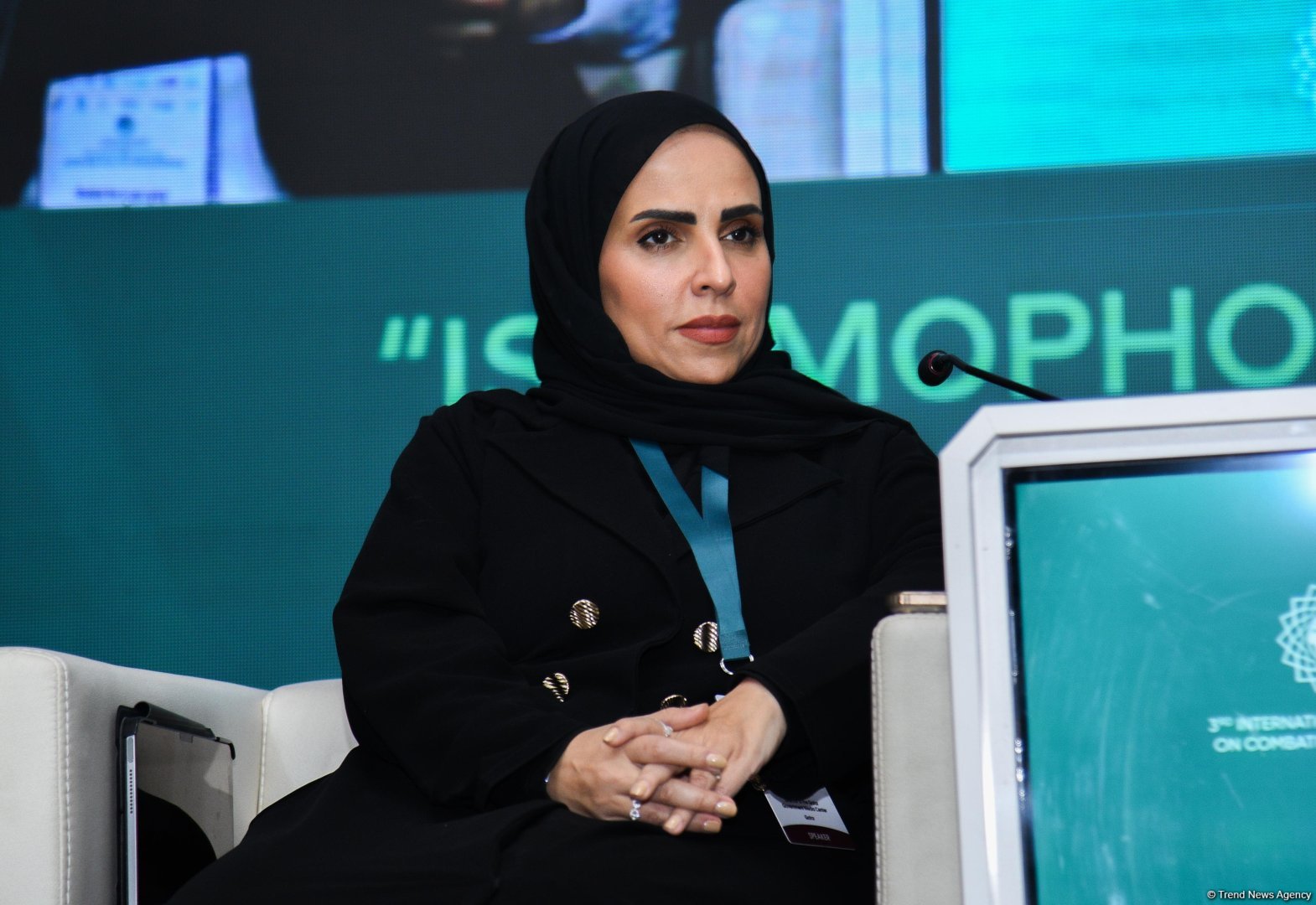
BAKU, Azerbaijan – In an era defined by the pervasive influence of digital technologies and the rapid rise of artificial intelligence (AI), a concerning trend has emerged: the intensification of disinformation campaigns specifically targeting Muslim communities across numerous developed nations. This alarming observation was brought to light by Iman Al-Kaabi, Director of the Qatar Media Center, during her address at the international conference "Islamophobia in Focus: Unveiling Bias, Shattering Stigmas," held in Baku, Azerbaijan.
Al-Kaabi highlighted the transformative impact of the digital revolution on public perception and sentiment, noting that online platforms, particularly social media, have become primary channels for shaping public discourse. However, this digital landscape also presents a fertile ground for the spread of misinformation and biased narratives, particularly those targeting vulnerable groups like Muslim communities. The sheer scale and reach of these platforms, coupled with the increasing reliance of individuals on them for information, amplifies the potential harm of such disinformation campaigns.
A crucial factor contributing to the proliferation of these harmful narratives is the inherent nature of AI systems. While promising in their potential, AI algorithms, if not meticulously developed and monitored, can inadvertently perpetuate and even amplify existing biases. Al-Kaabi pointed out that the datasets used to train these systems often contain inaccuracies and skewed perspectives, which can lead to the generation of discriminatory or misleading content. This inherent flaw, if left unchecked, can exacerbate the spread of misinformation targeting Muslim communities, reinforcing negative stereotypes and contributing to real-world prejudice.
Furthermore, Al-Kaabi expressed concern over the lack of initiative among those controlling these powerful technological tools to rectify the underlying issues. She argued that there appears to be a lack of will to address the biases embedded within AI systems, which ultimately allows the perpetuation of harmful narratives and disinformation. This inaction effectively enables the continued targeting of Muslim communities and other marginalized groups, leaving them vulnerable to the insidious effects of online hate and prejudice.
The situation is further complicated by the evolving sophistication of AI technologies. As these systems become increasingly adept at generating and disseminating information, the challenge of identifying and countering disinformation becomes even greater. The rapid pace of technological advancement necessitates proactive measures to mitigate the risks posed by AI-driven disinformation campaigns, particularly those aimed at vulnerable communities.
The urgent need to address this escalating threat was emphasized by Al-Kaabi, who called for collective action to combat the spread of disinformation and protect vulnerable communities from its harmful consequences. This requires a multi-pronged approach, including increased media literacy, enhanced fact-checking mechanisms, and greater accountability from tech companies in addressing biases within their AI systems. Moreover, fostering intercultural dialogue and understanding is crucial to combatting the underlying prejudices that fuel these disinformation campaigns. Only through concerted efforts and a commitment to promoting accurate and unbiased information can we hope to mitigate the damaging impact of disinformation targeting Muslim communities in the digital age. The proliferation of disinformation in the digital space has evolved into a critical challenge, one that demands immediate attention and innovative solutions to safeguard the integrity of information and protect vulnerable communities from its insidious reach.