


The Quest for Immortality: Xi and Putin’s Vision Confronts the Reality of Aging
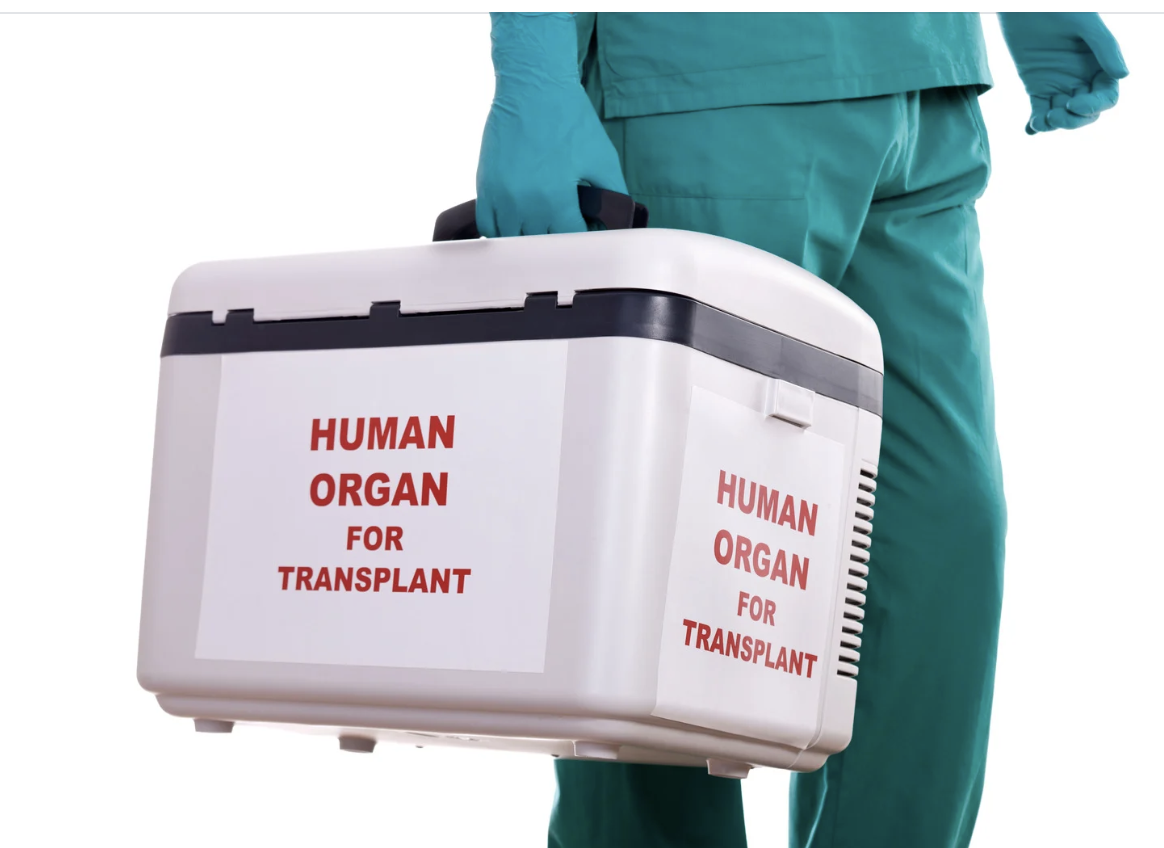
Chinese President Xi Jinping and Russian President Vladimir Putin recently engaged in a conversation that touched upon a topic of enduring fascination: the possibility of extending human lifespan, perhaps even achieving immortality. According to reports, Xi remarked that at the age of 70, individuals are still considered young in today’s world. Putin reportedly responded by suggesting that advancements in biotechnology, particularly in organ transplantation, could enable people to live increasingly younger lives and potentially achieve immortality. These statements, while capturing the imagination, contrast sharply with the current state of longevity science, which remains focused on incremental progress rather than radical life extension.
The exchange between the two world leaders highlights a fundamental disconnect between the aspiration for significantly longer lifespans and the complexities of human aging. While organ transplantation can address specific organ failures and improve quality of life, it does not address the underlying processes of aging that affect the entire body. The human body is a complex system, and aging involves a multitude of intricate processes, not simply the deterioration of individual organs. Repeated organ transplants, even if feasible, would not halt the overall aging process, nor would they address the complex interplay of genetic and environmental factors that contribute to age-related decline.
Putin’s vision of continually replacing aged organs to maintain youthfulness overlooks the fundamental nature of aging. Scientists still lack a complete understanding of the causes of aging, the mechanisms that drive it, and even how to define it precisely. To view aging simply as the wearing out of individual body parts is a vast oversimplification. Aging is a systemic process, affecting cells, tissues, and organs throughout the body, influenced by a multitude of factors including genetics, lifestyle, and environmental exposures. While replacing damaged organs may offer temporary relief from specific ailments, it does not address the underlying mechanisms that drive the overall aging process.
Despite the current limitations of longevity science, the idea of repairing or replacing worn-out body parts holds some promise. Researchers are exploring various approaches to tissue regeneration and organ replacement, including the use of stem cells, bioengineered tissues, and even synthetic organs. These advancements may eventually lead to significant improvements in treating age-related diseases and improving the quality of life for older individuals. However, these approaches are far from achieving the radical life extension envisioned by Putin.
One of the major challenges in longevity research is understanding the complex interplay between different tissues and organs in the aging process. For instance, studies have shown that transplanting young tissues into older animals can have a rejuvenating effect, suggesting the presence of factors in young tissues that promote health and longevity. However, the precise nature of these factors remains elusive. Identifying and harnessing these factors could potentially lead to breakthrough therapies that slow down or even reverse the aging process. However, this remains a significant scientific challenge.
The conversation between Xi and Putin serves as a reminder of the enduring human desire to overcome the limitations of mortality. While the vision of radical life extension through organ transplantation remains speculative at best, it underscores the importance of continued research into the fundamental mechanisms of aging. As scientists gain a deeper understanding of these complex processes, they may eventually develop interventions that not only extend lifespan but also enhance healthspan, allowing individuals to live longer, healthier, and more fulfilling lives. However, the path towards achieving this goal remains long and challenging, requiring significant advances in our understanding of the intricate biology of aging. While immortality may remain an elusive dream, the pursuit of healthy aging remains a worthy and realistic goal.