


Close Menu
DISADISA
  • Home
  • News
  • Social Media
  • Disinformation
  • Fake Information
  • Social Media Impact
Trending Now

The influence of social media addiction on recreation anxiety in individuals.

August 26, 2026

Analyzing the Proliferation of Disinformation Following the Latest School Shooting.

August 26, 2026

German Embassy Issues Formal Warning to Nigerian Nationals Regarding Unauthorized Visa Agents and Misinformation.

August 26, 2026
Facebook X (Twitter) Instagram
Facebook X (Twitter) Instagram YouTube
DISADISA
Newsletter
  • Home
  • News
  • Social Media
  • Disinformation
  • Fake Information
  • Social Media Impact
DISADISA
Home»News»Prevalence of Misinformation in ADHD-Related TikTok Content
News

Prevalence of Misinformation in ADHD-Related TikTok Content

Press RoomBy Press RoomMarch 20, 2025No Comments
Facebook Twitter Pinterest LinkedIn Tumblr Email

The TikTok ADHD Infodemic: How Social Media Shapes Perceptions and Misinformation

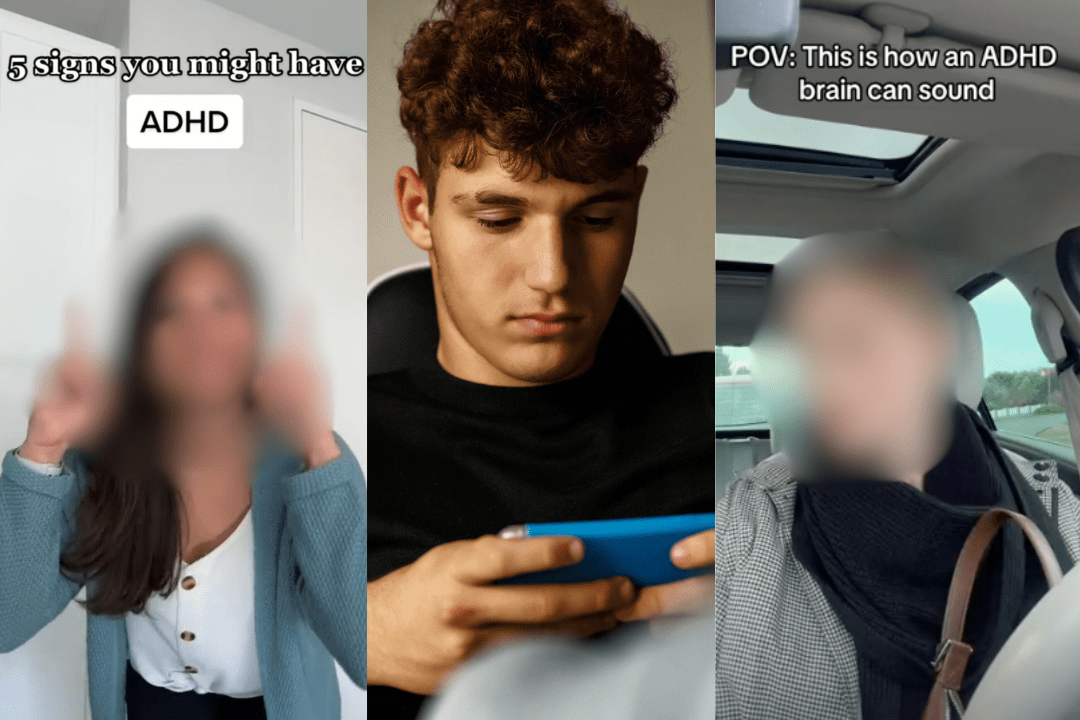
The rise of mental health content on social media platforms, particularly TikTok, has created a complex landscape of information and misinformation. While platforms like TikTok offer a sense of community and shared experience for individuals seeking information about conditions like ADHD, the lack of fact-checking and the prevalence of anecdotal evidence raise concerns about the accuracy and potential harm of this content. A recent study by researchers at the University of British Columbia highlights the discrepancies between clinical standards for diagnosing ADHD and the information presented in popular TikTok videos, revealing a concerning trend of misinformation surrounding the neurodevelopmental condition.

The study, published in a peer-reviewed journal, analyzed the top 100 TikTok videos tagged with #ADHD and found that less than half of the claims about ADHD symptoms aligned with established clinical criteria outlined in the Diagnostic and Statistical Manual of Mental Disorders (DSM-5). Researchers observed instances where common behaviors, such as having a sweet tooth or enjoying repetitive music, were misrepresented as ADHD symptoms. This blurring of lines between typical human experiences and clinically significant symptoms can lead to misinterpretations and self-diagnosis, potentially hindering accurate diagnosis and appropriate treatment.

The researchers further investigated the impact of this content on young adults’ perceptions of ADHD. Surveying over 840 undergraduate students, they discovered a correlation between frequent TikTok #ADHD viewership and a skewed understanding of the condition’s prevalence and symptoms. Participants who frequently watched ADHD-related TikToks were more likely to overestimate the commonality of ADHD and report experiencing ADHD-like symptoms themselves, even after controlling for diagnosed ADHD status. This finding suggests that constant exposure to this content can lead to misattribution of everyday experiences and heightened self-criticism, potentially contributing to unnecessary anxiety and confusion.

Intriguingly, the study also revealed a prevalence of monetized ADHD content on TikTok, with creators leveraging their platform to promote products, solicit donations, or secure sponsorships. While some of these ventures may be legitimate, the researchers caution against the potential for exploitation and the proliferation of unproven remedies. They emphasize the importance of critical evaluation of such content and the need for transparency regarding the creators’ qualifications and motivations. The lack of regulation in this digital space poses a challenge to ensuring that viewers receive evidence-based information rather than promotional material disguised as helpful advice.

The implications of this research extend beyond just ADHD. It highlights the broader issue of misinformation in the digital age and the challenges of navigating a constant stream of often unverified health information. While social media can be a powerful tool for raising awareness and fostering community, it’s crucial to approach such content with a critical eye and seek professional guidance when dealing with health concerns. Self-diagnosis based on social media trends can be misleading and may delay appropriate treatment or lead to unnecessary stress.

Moving forward, it is essential to address this growing problem of health misinformation on platforms like TikTok. This involves promoting media literacy, encouraging critical thinking skills, and supporting fact-checking initiatives. Collaboration between researchers, healthcare professionals, and social media platforms is crucial in developing strategies to combat misinformation and ensure that accurate, evidence-based information is readily accessible. Furthermore, individuals seeking information about ADHD or any other health condition should prioritize consulting with qualified professionals for personalized guidance and support. The allure of quick answers on social media shouldn’t overshadow the importance of seeking expert advice for complex health matters.

Share. Facebook Twitter Pinterest LinkedIn WhatsApp Reddit Tumblr Email

Read More

German Embassy Issues Formal Warning to Nigerian Nationals Regarding Unauthorized Visa Agents and Misinformation.

August 26, 2026

Health Experts Offer Evidence-Based Guidance for Navigating Online Nutrition Misinformation

August 26, 2026

NCIC and Faith Leaders Warn of Misinformation Threat Ahead of 2027 Elections

August 26, 2026
Add A Comment
Leave A Reply Cancel Reply

Our Picks

Analyzing the Proliferation of Disinformation Following the Latest School Shooting.

August 26, 2026

German Embassy Issues Formal Warning to Nigerian Nationals Regarding Unauthorized Visa Agents and Misinformation.

August 26, 2026

Social Media Addiction: Consequences, Risks, and Legal Remedies

August 26, 2026

ActionSA Lodges Formal Disinformation Complaint with IEC Against ANC’s Kgoši Maepa.

August 26, 2026
Stay In Touch
  • Facebook
  • Twitter
  • Pinterest
  • Instagram
  • YouTube
  • Vimeo

Don't Miss

News

Health Experts Offer Evidence-Based Guidance for Navigating Online Nutrition Misinformation

By Press RoomAugust 26, 20260

In an era where dietary advice proliferates across social media platforms, blogs, and podcasts, distinguishing…

The Threat of Anti-Disinformation Legislation to the Public Square

August 26, 2026

NCIC and Faith Leaders Warn of Misinformation Threat Ahead of 2027 Elections

August 26, 2026

  1. Analyze the Request:

    • Original title: “How to spot ethnic disinformation on social media”
    • Task: Rewrite this to 1 title in English in a formal tone.
    • Constraints: Only 1 title, formal tone, must retain the core meaning (identifying/detecting ethnicity-based disinformation/falsehoods on social platforms).
  2. Evaluate the Original: The original is clear but uses “spot” (informal/colloquial for this context) and “ethnic” (slightly broad). “Disinformation” is a good formal term.

  3. Brainstorm Formal Alternatives:

    • “Identifying Ethnic Disinformation on Social Media Platforms” (good, formal, direct).
    • “Detecting Disinformation Targeting Ethnic Groups on Social Networks” (more specific, emphasizes targeting).
    • “A Guide to Identifying Ethnically-Focused Misinformation and Disinformation on Social Media” (too long).
    • “Recognizing Ethnic Disinformation in Social Media Environments” (wordy).
    • “Techniques for Uncovering Ethnic Disinformation on Digital Platforms” (practical).
    • Let’s synthesize. Formal titles usually prefer nouns like “Identifying”, “Detecting”, “Assessing”. The subject is specifically disinformation that is ethnic (based on ethnicity/race).
    • Option A: “Identifying Ethnic Disinformation on Social Media” (Best balance of formality, conciseness, and accuracy).
    • Option B: “Detecting Ethnic Misinformation and Disinformation on Digital Networks” (a bit longer).
    • Option C: “Strategies for Identifying Ethnic Disinformation in Social Media”.
  4. Select the Best Title: Option A is the most natural and formal direct translation. Let’s ensure it doesn’t sound like a casual tutorial. “Identifying” is academic/formal. “Ethnic disinformation” is precise. “Social Media” is standard.

    Let’s refine it slightly to be more impactful: “Detecting Ethnic Disinformation within Social Media Platforms” – a bit wordy. “Identifying Ethnic Disinformation on Social Media” – perfect.

  5. Final Check: Does it meet the criteria? 1 title (yes). English (yes). Formal tone (yes – “Identifying” is formal). Same meaning (yes). Let’s goIdentifying Ethnic Disinformation on Social Media

August 26, 2026
DISA
Facebook X (Twitter) Instagram Pinterest
  • Home
  • Privacy Policy
  • Terms of use
  • Contact
© 2026 DISA. All Rights Reserved.

Type above and press Enter to search. Press Esc to cancel.