








Niger Police Warn Against Fake News and Hate Speech Ahead of 2027 Elections
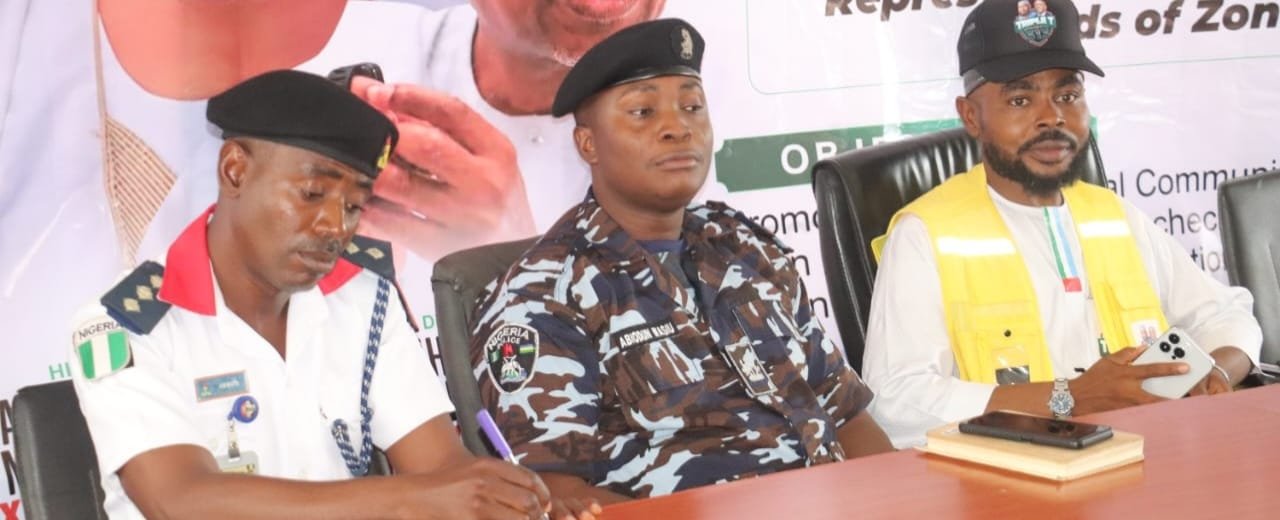
The Niger State Police Command has issued a strong warning to youth leaders, media handlers, and digital influencers against the use of social media to spread fake news, hate speech, or inflammatory content capable of triggering political violence ahead of the 2027 general elections. The warning came during a digital capacity-building training for Zone B communication experts held in Minna, the Niger State capital, on August 15. The event was organized to prepare influential voices and online content creators for the upcoming electoral cycle, which officially begins with the start of campaigns on August 19. With the political temperature expected to rise in the coming months, the police are taking proactive measures to ensure that digital platforms do not become tools for destabilizing the peace and security of the state. Representing the Commissioner of Police, CP Adamu Abdullahi Elleman, the Police Public Relations Officer (PPRO), SP Wasiu Abiodun, delivered the keynote message to participants, emphasizing the critical role of communication experts in shaping public discourse.
SP Wasiu Abiodun, speaking on behalf of the Commissioner, underlined the dangers of misinformation, disinformation, hate speech, and digital manipulation in the electoral process. He explained that false narratives and deliberately misleading content can easily escalate online tensions into physical violence and public disorder. “The difference between a peaceful election and a violent one often lies in what people believe and how they act on that belief,” he said. “When lies are spread intentionally, when hateful remarks are amplified, and when digital platforms are used to manipulate public opinion, the consequences can be deadly.” His remarks were directed at a broad range of stakeholders in the digital space, including youth leaders who command significant followings, media handlers who shape news narratives, and digital influencers whose posts have the power to reach millions of citizens. The police cautioned that the line between online speech and offline violence is thin, especially in a society where communal tensions and political rivalries remain sensitive points.
The training, which brought together communication experts from Zone B, was designed to equip participants with the skills needed to navigate the complex digital landscape responsibly. The timing of the event was particularly significant, as the start of official electoral campaigns was set for August 19, just four days later. This period is often marked by heightened passion, political rallies, and rapid information flow. The police recognized that without proper digital literacy and ethical safeguards, the social media environment could become a battleground of false information. The objective of the training, therefore, was not only to warn against negative behavior but also to provide practical guidance on how to use social media for good. Abiodun urged all participants to verify information before sharing it, to fact-check claims thoroughly, and to avoid provocative content that might inflame tensions. He stressed the importance of respecting opposing political views and engaging in constructive dialogue rather than hostile confrontation.
Beyond the ethical responsibilities of digital influencers, the police also issued a stern legal warning regarding online behavior. Abiodun pointed out that there are clear legal consequences for activities capable of inciting violence or facilitating cyber-related offences. Under Nigerian law, particularly the Cybercrime (Prohibition, Prevention, etc.) Act, individuals who use electronic platforms to spread false information, issue threats, or incite public unrest can face prosecution, heavy fines, and imprisonment. The Electoral Act also contains provisions that criminalize certain forms of campaign communication that endanger public order. The police made it clear that ignorance of the law would not be an excuse, and that offenders would be brought to justice. “This is not just a moral appeal; it is a legal requirement,” Abiodun added. “We will not hesitate to apply the full weight of the law on anyone whose online activity is capable of inciting violence or facilitating criminal behavior.” The warning is intended to serve as a deterrent, especially as the country moves closer to a critical election cycle.
This cautionary message from the Niger State Police Command reflects a broader national concern about the role of social media in electoral politics in Nigeria. In previous elections, the country witnessed how quickly false information could spread, undermining trust in democratic institutions and in some cases leading to violent clashes. Religious, ethnic, and regional fault lines often become more pronounced during elections, and malicious actors are known to exploit these divisions for political gain. The police’s call for fact-checking and restraint is therefore timely and necessary. Digital influencers, with their large audiences, have an outsized impact on the information ecosystem. If they choose to prioritize sensationalism over accuracy, they risk becoming instruments of chaos. Conversely, if they embrace the values of truth and tolerance, they can serve as trusted guides for their followers, helping to reduce uncertainty, counter hateful narratives, and promote issue-based political engagement. The Niger State Police Command emphasized that it is the duty of young people to protect the democratic process by ensuring that their platforms are not misused.
The Command reiterated its commitment to working in partnership with youths, communication stakeholders, and indeed all citizens to promote responsible digital communication and to prevent social media activities from fueling electoral violence. The police expressed optimism that, with the right education and collaboration, the digital community in Niger State can become a model of civic responsibility for the rest of the country. Abiodun concluded by encouraging participants to view themselves as guardians of truth and peace rather than mere content creators. He noted that the police alone cannot secure the electoral process; it requires a collective effort from all sectors of society. The training ended with a strong call to action: verify all information, promote tolerance and accuracy, respect differing opinions, and refrain from sharing any content that might inflame public emotions. As the 2027 elections approach, the message from the Niger State Police Command is unmistakable — those who use their social media influence maliciously will face both legal consequences and public condemnation. The future of the nation depends on the choices made in the digital space today.


