








Mumbai Police Asks Public, Media to Avoid Speculation in IIT Bombay Student’s Death; Caste Discrimination Allegations Investigated
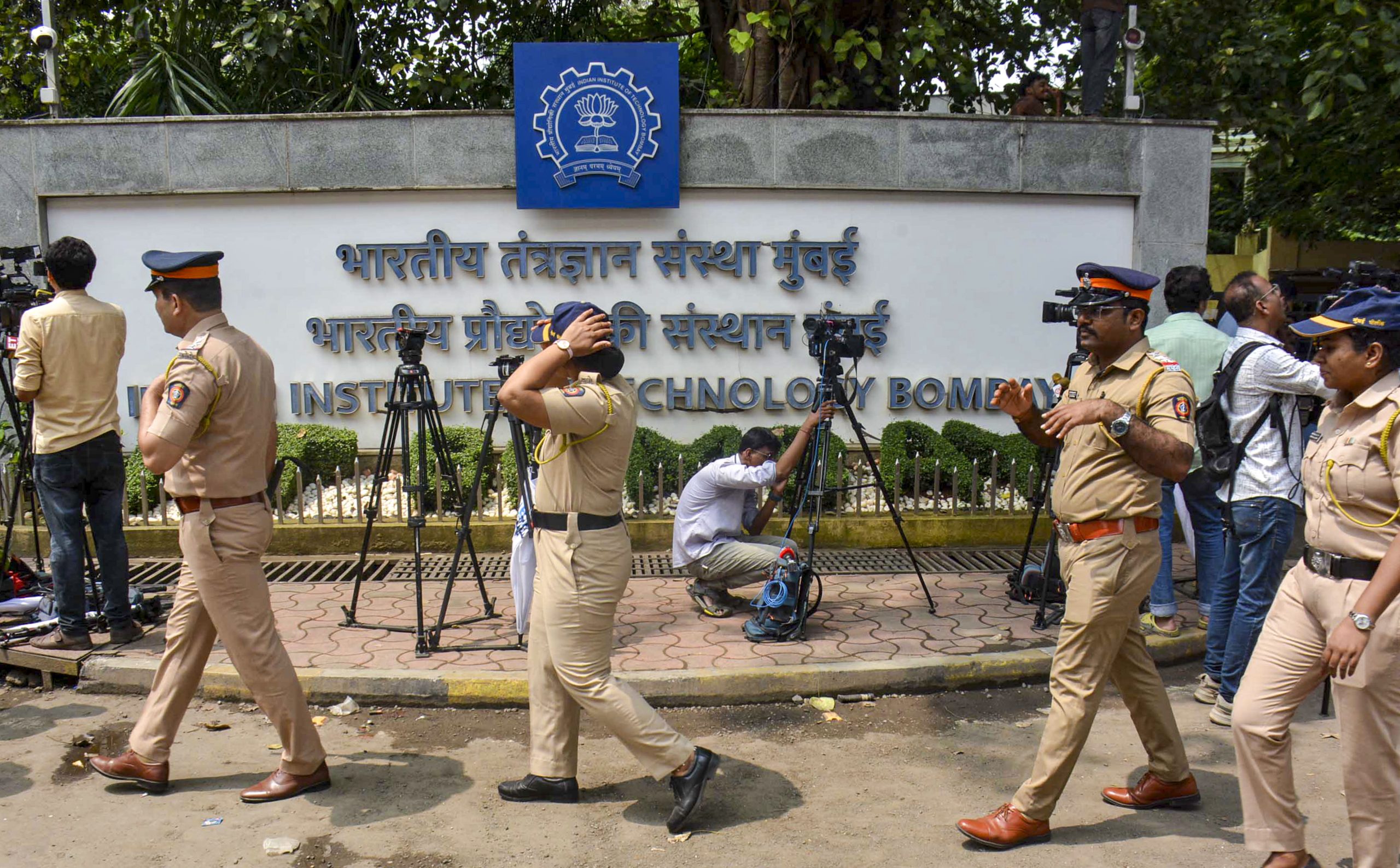
Mumbai Police on Wednesday issued an urgent appeal to the public and the media to refrain from speculation, spreading misinformation, or drawing premature conclusions in connection with the alleged suicide of a 22-year-old IIT Bombay student, Sahil Wakode. The second-year B.Tech student was found hanging in his hostel room on September 18 evening, just hours after he was allegedly caught using a mobile phone to access ChatGPT during a mid-semester examination. Wakode’s tragic death has sparked widespread shock and outrage, leading to protests by students and political activists, and prompting a formally registered case against a senior professor on charges of abetment and caste discrimination. The Mumbai Police’s Crime Branch is now conducting the investigation into the circumstances surrounding the death, and officials have reassured the public that no aspect of the case will be overlooked. The appeal from the police was specifically aimed at preventing rumors and unverified claims from gaining traction, especially at a time when emotions are running high and social media is rife with speculation about the events that led to the student’s death.
The official police statement, released on Wednesday, stressed that the investigation was being carried out “diligently and impartially, exploring all possible angles.” The Mumbai Police expressly requested individuals, citizens, and the wider public to stay away from any form of conjecture or dissemination of unverified information that could hamper the inquiry. The statement also asked media outlets to strictly rely only on official channels and verified communications from the police, rather than unchecked reports or uninformed opinions. The police reiterated their commitment to a fair, transparent, and thorough investigation, ensuring that justice is served in the case. Further, the statement highlighted the integrity of the investigative process by noting that the probe is being handled by an officer of the rank of Assistant Commissioner of Police (ACP) and is being closely supervised by a Deputy Commissioner of Police. This supervisory structure is significant, given the sensitive nature of the case and the serious allegations of caste-based discrimination that have been raised by the deceased student’s family.
The sequence of events leading up to the student’s death has become a focal point of public scrutiny. According to officials, Wakode was found hanging in his hostel room at IIT Bombay on the evening of September 18, only a few hours after he had been caught allegedly using a mobile phone to access the AI tool ChatGPT during a mid-semester examination. The incident has raised uncomfortable questions about the pressure faced by students at elite academic institutions, the enforcement of examination rules, and the emotional toll that public humiliation or disciplinary action can take on young students. While the exact circumstances surrounding the alleged mobile phone use and the subsequent events are still under investigation, preliminary reports suggest that Wakode was confronted by invigilators or faculty members regarding the violation. The revelation that a student reportedly resorted to suicide hours after being caught in an examination misconduct situation has intensified the national conversation about student mental health, institutional support systems, and the manner in which disciplinary issues are handled on campuses.
Wakode’s parents have made deeply troubling allegations that add a grim dimension to the tragedy. They have claimed that their son had spoken to them about being subjected to caste-based slurs, and that he had been targeted and demeaned because of his background. The family has alleged that such discrimination played a role in his distress and eventual death, and they have demanded immediate action against senior authorities at IIT Bombay. In particular, they have demanded the arrest of IIT Bombay Director Professor Shirish Kedare and Professor Suryanarayana Doolla, who was removed as the Dean of Administrative Affairs following intense protests by students and political activists. The parents have called for accountability not just for the immediate actions surrounding the examination incident, but also for the broader environment of discrimination and hostility they believe their son was subjected to. Under Indian law, a case has been registered against Professor Doolla on charges of abetment and caste discrimination, reflecting the seriousness of the family’s complaint and the legal implications of the allegations.
The developments at IIT Bombay have sent shockwaves through the academic community and beyond. Following the student’s death, protests erupted on the campus, with students and political organizations demanding justice for Sahil Wakode and accountability for officials alleged to have contributed to the hostile environment. The removal of Professor Suryanarayana Doolla from his administrative position came after mounting pressure, but the family has insisted that merely transferring or removing an official from a post is not enough. They are seeking a full and independent investigation, criminal consequences for those found responsible, and systemic changes to ensure that no other student has to go through what Sahil experienced. The case has also drawn attention to the broader issue of caste discrimination in prestigious educational institutions, despite constitutional protections and affirmative action policies. Activists have pointed out that incidents of caste-based harassment often go unreported or are swept under the carpet, and that the death of this young student must not become just another statistic. The use of the Scheduled Castes and Scheduled Tribes (Prevention of Atrocities) Act and IPC provisions related to abetment of suicide will be closely examined as the investigation proceeds.
As the Mumbai Police continues its investigation, the family, the institutional leadership, and the public wait for clarity on the full sequence of events and the exact motivations or pressures that led to the tragedy. The police have made it clear that they will explore every angle, including the alleged caste-based slurs, the examination incident, the mental state of the student, and any possible abetment by faculty or staff. The appeal to avoid speculation and misinformation is particularly important in a case that carries such social and emotional weight, as false narratives can cause further harm to the grieving family and undermine the legal process. The IIT Bombay administration is also under intense pressure to cooperate with the investigation and to take meaningful steps to address the allegations of discrimination and institutional negligence. At the core of this tragedy is the loss of a young life, and the demand for justice is universal. The police’s assurance that the investigation is being conducted under senior supervision provides some measure of confidence, but it is the outcome of the inquiry and the actions taken thereafter that will ultimately determine whether justice is served. Until then, the country watches and waits, hoping that truth prevails and that no effort is spared to hold all accountable parties responsible.


