


A Nation on Edge: The Assassination of Charlie Kirk and the Specter of Political Violence in America
The assassination of conservative activist Charlie Kirk has sent shockwaves through the nation, prompting a critical examination of the role of political violence in American society. While historians and political scientists agree that violence has long been a part of the American political landscape, the current climate is marked by a unique confluence of factors that amplify its impact and deepen societal divisions. From the caning of Senator Charles Sumner on the Senate floor in 1856 to the violent suppression of civil rights activists during the Jim Crow era, American history is replete with examples of politically motivated violence. However, the present era distinguishes itself through the rapid dissemination of information, often inaccurate or misleading, which fuels public outrage and exacerbates partisan divides.
The speed and reach of information in the digital age allow isolated acts of violence to resonate far beyond those directly involved. Each incident becomes a flashpoint, feeding a cycle of distrust in public institutions and further polarizing the populace. Professor Jeffrey Green, director of the Andrea Mitchell Center for the Study of Democracy at the University of Pennsylvania, notes that while the current level of political violence may not quantitatively surpass previous periods, its nature has shifted. Contemporary acts of violence appear less tethered to specific policy debates or constitutional principles and are instead driven by personal grievances, rage, and, in some cases, conspiratorial thinking. This disconnect from traditional political discourse makes it harder to address the root causes of violence and fosters a sense of pervasive unease and instability.
Recent years have witnessed a disturbing uptick in politically motivated attacks. Two attempts were made on the life of former President Donald Trump in 2024, highlighting the vulnerability of even the most prominent figures. The assassination of former Minnesota House Speaker Melissa Hortman and her husband in June 2025, along with the attack on the Centers for Disease Control and Prevention headquarters two months later, further underscore the escalating threat of political violence. These incidents, while seemingly disparate, contribute to a growing sense of fear and insecurity within the American public.
The media landscape plays a significant role in shaping public perceptions of political violence. While acts of violence may not be statistically more frequent than in the past, the intense media scrutiny and widespread coverage they receive, amplified by social media, create the impression of a nation spiraling into chaos. Annenberg School for Communication lecturer Murali Balaji notes that this constant exposure to violence can exacerbate existing societal anxieties and contribute to a sense of pervasive anger, even if that anger is not explicitly political in nature. This heightened awareness of violence, coupled with the 24/7 news cycle and the echo chambers of social media, can lead to a distorted understanding of its prevalence and severity.
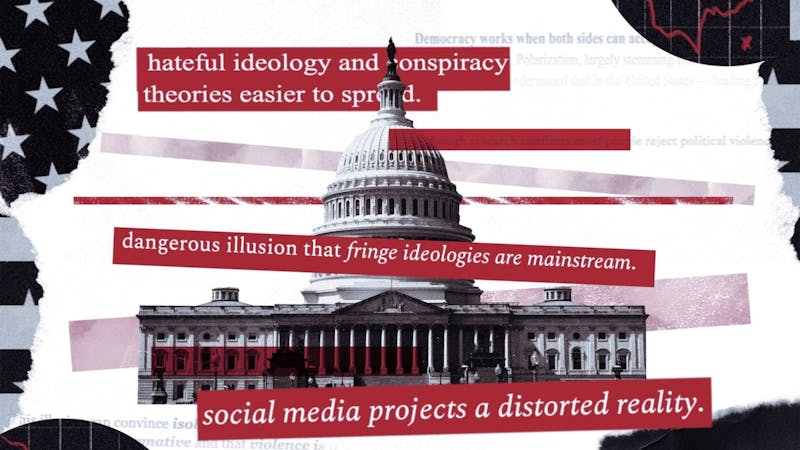
While research suggests that only a small minority of Americans actually endorse political violence, the impact of this minority is magnified by the dynamics of online platforms. Algorithms, designed to maximize engagement, often prioritize extremist content and create echo chambers where radical ideologies can flourish. This can lead individuals with fringe beliefs to believe their views are more widely held than they actually are, potentially emboldening them to act on those beliefs. Professor Yphtach Lelkes of the Polarization Research Lab warns that these online echo chambers create a dangerous illusion of mainstream acceptance for radical ideologies, potentially normalizing violence as a legitimate political tool.
Addressing the root causes of political violence requires a multi-faceted approach. While holding individuals accountable for their actions is crucial, it is equally important to address the systemic factors that contribute to radicalization. Political elites bear a responsibility to refrain from inflammatory rhetoric that demonizes opponents and fuels partisan hatred. Efforts to combat misinformation and promote media literacy are also vital in preventing the spread of conspiracy theories and extremist ideologies. Finally, fostering open and respectful dialogue across ideological divides is essential for rebuilding trust in democratic institutions and creating a more tolerant and inclusive political culture. The assassination of Charlie Kirk serves as a stark reminder of the fragility of democratic norms and the urgent need to address the growing threat of political violence in America.