


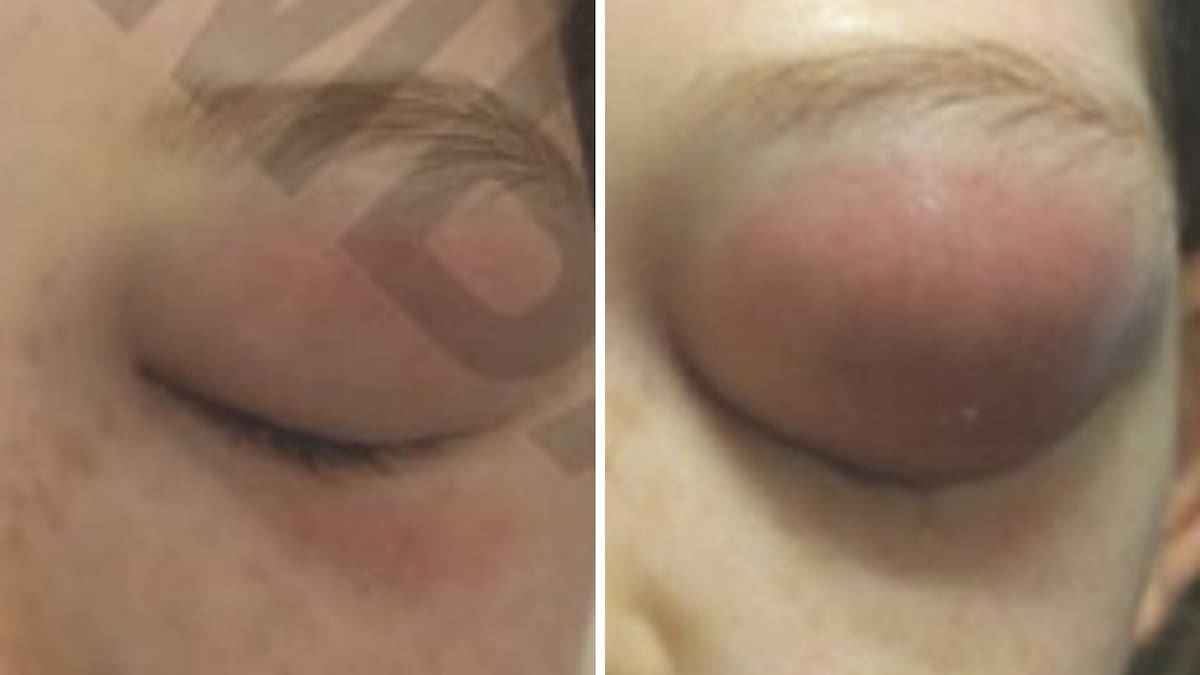
Nine-year-old girl’s minor eyelid infection became life-threatening after parents used diluted silver nitrate instead of antibiotics, New Zealand doctors report
A nine-year-old girl whose infection she was prescribed antibiotics for ended up with organs in danger after her parents used a non-medical silver nitrate treatment instead of the conventional medication they were prescribed, according to a case report published in the New Zealand Medical Journal. The hospital ophthalmology registrar leading the case, Dr Morgan Arnold, said the girl “absolutely” could have died from the infection or from complications from the infection. The parents, in a phrase used by the report, had a “medical scepticism” that led them to encourage poor adherence to prescribed antibiotics, which were originally meant to treat a minor eyelid infection. Instead, diluted silver nitrate was applied topically to the infected area twice a day. Four days later the girl was back in hospital with advancing swelling, pain, and new evidence that the infection had spread far beyond the eyelid. It had entered her sinuses, the area around her eye, and even produced Pott’s puffy tumour, which the report describes as a fluid-filled mass that can be life-threatening. The girl also had a superior sagittal sinus thrombosis, meaning that one of the major veins draining blood from the brain had developed a blood clot. Her case required urgent surgery, six weeks of treatment, and prolonged monitoring, with both surgeons and hospital staff working under the shadow of possible death.
When the girl was first seen by doctors, her condition was minor and the need for antibiotic treatment was clear. But the family’s unwillingness to use the prescribed medicine, and an active choice to rely instead on diluted silver nitrate as a home-style topical treat supplied by someone outside mainstream medicine, delayed effective care. When the treatment did not work and the infection was far more serious, the parents were forced to seek hospital care a second time. According to the case report, doctors were shocked by how quickly her condition had moved from a harmless-looking eyelid issue to a systemic infection. The MRI images showed that not only the tissues around the eye were affected, there were signs in every sinus structure of the face, and above them, the dangerous formation of a Pott’s puffy tumour. That tumor is a classic but feared complication of sinus infections in which pus forms between the skull bone and the outer lining of the coverings of the brain. An MRI also showed a blood clot in the dural venous sinus, the system that drains blood from brain, a disorder that in children can lead to stroke or severe neurological damage if not treated with emergency treatment and anticoagulation. In her words, the disease moved at such a point that the ideal original outcome, simple antibiotic use from the start, would have avoided most of the events that followed.
“It can be very serious, very quickly and not uncommonly lead to death if untreated,” Dr Arnold said. “She had to have urgency, where otherwise we probably could’ve avoided things with just medical treatment.” The girl was then admitted long-term to hospital and remained on intravenous antibiotics for six weeks. After the first two weeks of that were spent were under hospital care, the doctors were shocked that the parents remained difficult for the medical team in the next phase of care. The girl’s discharge was actually delayed because the parents were reluctant to give their home address for follow-up outpatient treatment. But after those delays and after the full six-week course of antibiotic injection, the child did fully recover. The case illustrates how misleading “alternative” medicine can be when used for severe bacterial infection, and why trust between medical teams and parents is a crucial factor. With a likely if treated or a potentially lethal case if managed badly, the girl is one of the lucky ones. Dr Arnold said: “She could have died from the infection, and could have died from complications from the infection.”
The report explains that when the girl was originally seen for the minor eyelid infection, there was no explicit indication that the parents were against prescribed lower care. However, the report then documented that due to “medical scepticism” they had a low level of trust in the institution, they did not give the antibiotics, and they tried the silver nitrate. In this case, one of the key bullet points from the case report, and from Dr. Arnold, is that extremely serious harm can occur when parents do not hold the necessary trust in medical care. Dr Arnold said the family’s scepticism was broader: “They didn’t trust doctors, they didn’t trust politicians, they didn’t trust any institutions,” he said. This was not just a reluctance to accept one prescription. The escalating infection also caused them to contact, not their senior medical team, but a surgeon known to a family friend, seeking an independent or alternative view. A doctor can only do the right thing when he or she is allowed to investigate and treat fully. The girl eventually came back under hospital care, but it took a great deal of convincing to allow the medical team to treatment needed, even when the family was bluntly that the girl’s condition was life-threatening. Trying to get an explanation for the level of distrust proved hard, Dr said. “A whole bunch of mistrust of medicine and institutions and modern science as a whole without being able to drill into any reasoning for it,” he said.
The case of this nine-year-old girl appears in an article in the New Zealand Medical Journal, where the authors decided to draw attention to the increase in medical misinformation, especially after the pandemic of misinformation and the enlarged role of the social media in daily life. Dr Arnold and his co-author wrote about a rise in poor health beliefs, which they say has voraciously inflated “globally and New Zealand.” The Girl’s case is now being used as a high-profile example of why misinformation is actually a health risk, not just a cabinet of bad fits. The medical team also highlighted that children are particularly vulnerable in these circumstances because they depend entirely on their parents for medical decisions. The authors note that while the ongoing “extraordinary” levels of medical misinformation have shifted medical practice in New Zealand, this case is an example of the need to also see the disease before the patient. “Whatever the influence is, rising misinformation or failing trust, the patient’s problem can be complicated by that disbelief,” the report says.
They recalled a recent New Zealand case in 2022 in which a baby in need of life-saving heart surgery was made a temporary ward of the High Court after his parents resisted blood transfusions because they did not want blood from people who vaccinated against COVID-19. That baby was critically unwell and was ultimately taken from his parents by police, but the operation progressed successfully. There were protests outside the court and outside Starship Children’s Hospital in Auckland. The fact that high-level court intervention was needed to protect a child was another sign, the authors say, that the medical system is increasingly facing families whose health choices, based in medical distrust and scientific disinformation, can place children at risk. In their report, clinicians told children’s unique vulnerability. “Ideally, clinicians should employ proactive advocacy strategies to ensure parental co-operation with medical treatment without relying on evidence of progessive disease to admonish parents or change their outlook.” Early conversations, respectful explanations of why a treatment is recommended, and a clear, empathetic explanation of what will happen if a treatment is less followed should become part of pediatric care. “Clinicians should approach these conversations with empathy and care to facilitate an open and honest dialogue,” the authors wrote.
The hospital’s message to parents, after the case of the nine-year-old girl, set a need for people to share their fears with their doctors, and not just decide on their own to abandon a treatment. “If a parent wanted to try an alternative treatment, they should tell their doctor,” Dr Arnold said. “We don’t judge you,” he added. “If it’s not harmful, we won’t discourage it. We’ll just explain why the [conventional treatment] is evidence-based because it is there, and why we believe [the care needed] is. Being upfront about the use of alternative products can let a doctor assess harm and help the family dock at the best of both worlds, without having to overrule them or cause more distrust. What doesn’t work is sneaking suspicion, waiting until the child is worse, and seeking second opinions outside the system. The medical team in this case was left with a serious infection, urgent surgery, and a child who came within a short period of time of dying. The doctors said to be careful; the child is now free of long-term neurological complications, but the outcome might not be so good for the next child who comes into the hospital with parents who fear, and believe they know better. “We lucked out with [this girl] not having any long-term complications,” Dr Arnold said. “No the next kid might not rely on us if not as lucky.” The report ends, more broadly, with a warning: if health care is to be effective in such an era of misinformation, the medical profession must both treat the signs of infection and treat the patient’s family distrust. To do both is essential. If a parent is willing to use topical silver nitrate for an infection around the eyelid, they should be listening to the doctor first, not later.