


Paragraph 1: The Escalation to Legal Action in the Digital Battleground
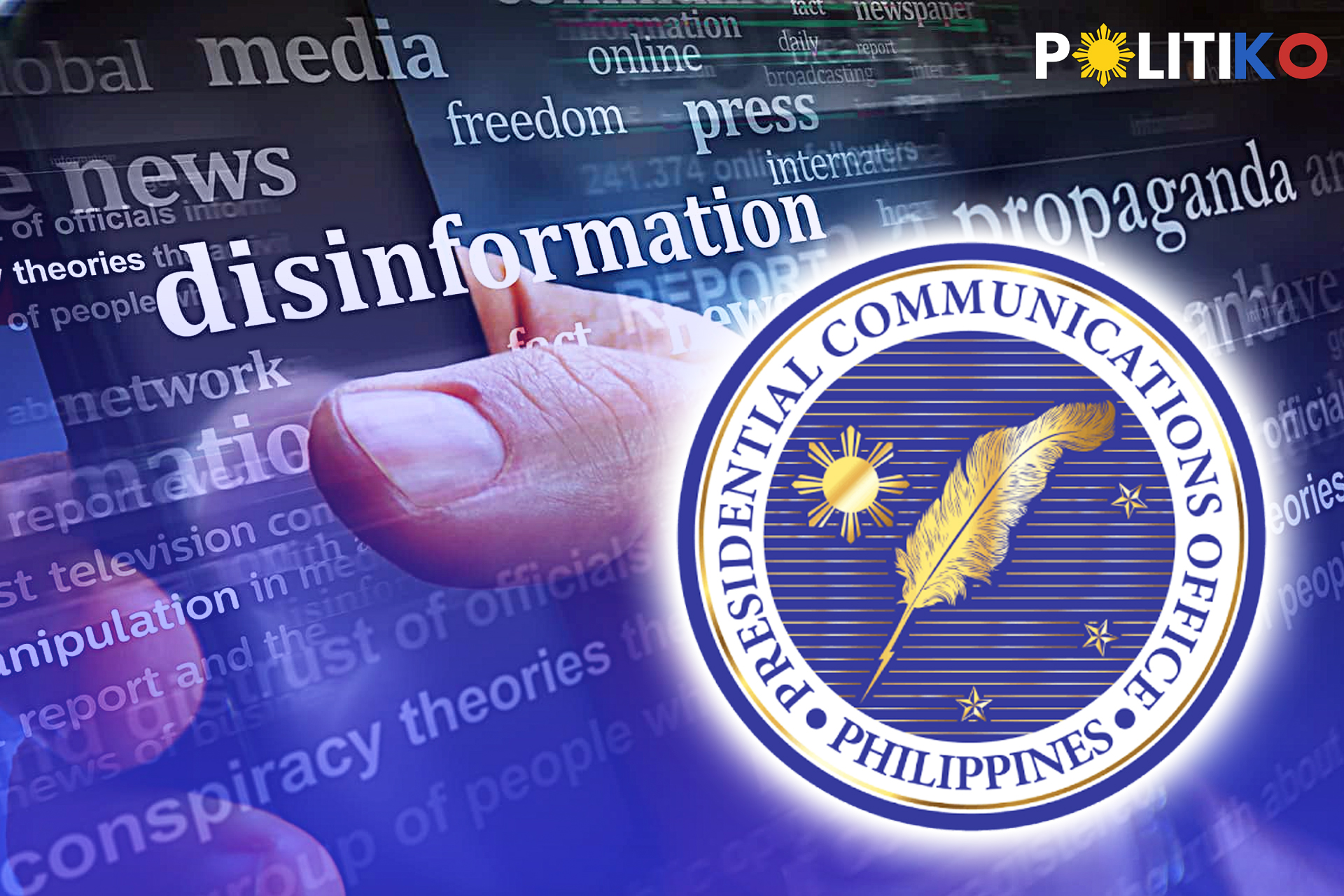
In a decisive move that underscores the escalating war against digital misinformation, the Presidential Communications Office’s (PCO) Anti-Fake News Desk (AFND) has formally initiated legal proceedings by requesting the National Bureau of Investigation (NBI) to conduct a comprehensive inquiry and file appropriate charges against the individuals responsible for a misleading Facebook page and a fraudulent website. This action marks a significant shift from passive monitoring to aggressive prosecution, signaling the government’s intolerance for content that, while masquerading as humor or civic service, ultimately undermines public trust and safety. The PCO’s referral to the NBI comes amid heightened scrutiny of social media platforms as vectors for disinformation, particularly during periods of national crisis and administrative transitions. The two specific entities flagged—one a satirical news page and the other a purported government aid portal—represent the dual nature of the threat: the weaponization of satire to spread chaos, and the exploitation of vulnerable citizens through deceptive financial lures. By bringing these cases to the state’s premier investigative body, the PCO aims not only to punish the actors behind these accounts but also to establish a legal precedent that will deter future attempts to deceive the Filipino public. This development highlights the inherent tension between freedom of expression and the state’s duty to protect its citizens from harm, a balance that becomes increasingly fragile in an age where algorithms amplify falsehoods faster than facts can correct them. The AFND’s move signals that while the digital space remains largely unregulated, the government is prepared to wield the full weight of the law against those who blatantly cross the line from commentary into deliberate and consequential falsehood.
Paragraph 2: The Satirical Shield – Dissecting the Facebook Page’s Malicious Content
At the heart of the first referral is a Facebook page that proudly identified itself as a satirical news outlet, attempting to cloak its deceptive posts in the garb of parody. However, a meticulous investigation by the PCO revealed that the content far exceeded the bounds of legitimate satire, veering into the dangerous territory of malicious and misleading journalism. Among the most egregious posts were false announcements regarding weeks-long suspensions of classes and work during the peak of the southwest monsoon rains—information that, had it been acted upon by citizens and employers, could have caused massive economic disruption, educational setbacks, and a false sense of security amidst a real weather emergency. Additionally, the page disseminated inaccurate and potentially destabilizing information regarding a government initiative on advanced technology, a topic sensitive enough to spark public doubt in state-led innovation projects. What elevates this violation from mere trolling to a potential criminal offense is the unauthorized use of the official Malacañang logo. By superimposing the presidential seal and logo onto their fabricated announcements, the creators deliberately engineered an environment where the average Filipino reader could not distinguish between a spoof and a legitimate governmental directive. This visual deception is the crux of the issue, as it directly compromises the integrity of official communication channels. As the PCO articulated in its endorsement to the NBI, “Satire cannot be used as a shield for deliberately misleading the public. When false information is presented in a manner that could be mistaken for legitimate government information, it becomes a matter of public concern.” This stance clarifies that while the constitution protects humor and critical commentary, it does not license the deliberate fabrication of official state communications to induce panic, misdirect public behavior, or erode confidence in democratic institutions.
Paragraph 3: The Deceptive Website – Exploiting Health Care Desperation
The second case profiled in the PCO’s referral involves a more financially predatory scheme orchestrated through a standalone website. This digital platform falsely advertised a substantial ₱30,000 Department of Health (DOH) medical assistance program, cleverly exploiting the public’s perennial need for accessible healthcare subsidies. The website was designed to lure unsuspecting citizens—likely those already burdened by medical expenses—into believing they could easily access government aid by engaging with the site, potentially exposing them to data theft, phishing scams, or outright fraudulent payments. Recognizing the severity of this hoax, the Department of Health issued a formal public advisory on August 9, 2026, explicitly warning the Filipino public that the website was disseminating false information and urging them to disregard its contents. The swift action by the DOH helped mitigate further victimization, yet the damage to public trust was already wrought, as countless individuals may have shared the link in good faith or attempted to apply for the phantom assistance. Although the fraudulent website has since become inaccessible—likely taken down by the operators to evade detection—the Anti-Fake News Desk demonstrated commendable forensic diligence by successfully preserving relevant evidence, including screenshots, domain registration data, and user interaction logs. This preserved documentation is now crucial for the NBI’s investigation, as it will assist cybercrime units in tracing the financial trail and identifying the anonymous server owners. The case serves as a stark reminder that misinformation is not merely a tool for political manipulation; it is an active weapon used to defraud the most vulnerable segments of society, preying on their desperation for healthcare and financial relief.
Paragraph 4: The Legal Framework – Article 154, Cybercrime Penalties, and the State of Emergency
The PCO’s decision to endorse these cases is anchored in a robust legal framework designed to address offenses against public order facilitated by digital means. The deliberate fabrication and subsequent dissemination of false information, particularly when executed during a period of national crisis, may constitute an offense under Article 154 of the Revised Penal Code (RPC). This specific provision punishes individuals who, among other actions, unlawfully publish or reproduce false news that endangers public order or causes a disturbance or alarm. Crucially, the PCO highlighted that these acts occurred during a declared State of National Energy Emergency, established under Executive Order 110. Operating under such a declaration amplifies the gravity of the offense, as the nation is already in a state of heightened vulnerability, and false narratives regarding government functions or public safety can have catastrophic ripple effects on resource allocation, emergency response, and public compliance with disaster protocols. Furthermore, the application of the Cybercrime Prevention Act of 2012 (Republic Act No. 10175) serves as a force multiplier for these charges. This pioneering legislation allows for the imposition of higher penalties on crimes committed through information and communications technology, effectively upgrading the standard penalties prescribed by the RPC. By filing under both statutes, the PCO and NBI are underscoring a clear message: the anonymity and reach provided by the internet will not serve as a sanctuary for those who undermine national stability. The legal strategy is calculated to ensure that the offenders face not just minor fines, but substantial prison time, serving as a deterrent for other bad actors who view the digital landscape as a lawless frontier for propagating chaos.
Paragraph 5: The Broader Societal Implications and the Consumer’s Responsibility
Beyond the immediate legal battle, the PCO’s action serves as a crucial wake-up call regarding the rapidly blurring lines between satire, freedom of expression, and actionable disinformation in the Philippine digital ecosystem. The availability of sophisticated editing tools and the viral nature of social media mean that a single piece of fabricate content—whether it supports a political agenda or simply seeks notoriety—can reach millions within minutes. The case of the “satirical” page raises profound philosophical questions about the definition of parody. While satire has historically been a cherished tool for political commentary and social critique, protected under the constitutional guarantee of free speech, it loses that protective shield when its primary purpose shifts from jest to harmful deception. The unauthorized use of an official government logo is the pivotal indicator that the creators intended to mislead rather than amuse; in legal terms, it crosses the threshold of actus reus (guilty act) and mens rea (guilty intent). For the public, this incident underscores the necessity of media literacy and due diligence. The PCO has subsequently urged citizens to verify any information—especially that involving financial aid, work suspensions, or public safety—exclusively through official government websites, accredited news outlets, and the official social media handles of state agencies. In an environment where fake news travels faster than truth, the individual citizen becomes the first line of defense. The public is encouraged to pause before sharing, to check timestamps, to look for the verified blue checks on official accounts, and to consult announcements from authoritative sources like the PCO, DOH, or the Philippine Information Agency (PIA) to avoid becoming unwitting amplifiers of state-wrecking falsehoods.
Paragraph 6: The Road Ahead – Investigation, Prosecution, and Digital Resilience
As the National Bureau of Investigation now takes the reins on this case, the nation watches closely to see how the legal mechanisms will unfold. Anticipated actions from the NBI include issuing subpoenas to the relevant social media platforms (Meta/Facebook) for backend data, coordinating with domain registrars and hosting services to trace IP addresses, and utilizing cyber-forensic tools to recover deleted content and financial transactions linked to the fraudulent website. The success of this case will not only hinge on the technical evidence but also on the legal tenacity of the prosecutors in proving intent and public harm. Regardless of the final outcome in the courts, this referral has already achieved a significant primary goal: it has established a jurisdictional precedent that the Philippine government is actively monitoring and will legally pursue digital actors who cross the line into malfeasance. This move by the PCO likely signals the beginning of a broader crackdown on other disinformation networks operating in the country, particularly those that may attempt to exploit future elections, climate disasters, or health crises. In the final analysis, the fight against fake news cannot be won by the government alone. It requires a “whole-of-nation” approach that synergizes legal enforcement, platform accountability, responsible journalism, and an informed, vigilant citizenry. As the PCO’s action demonstrates, the state is willing to wield the hammer of the law, but the anvil upon which the truth is forged rests firmly in the hands of the public, who must remain diligent in safeguarding the integrity of information in the digital age. The outcome of these NBI investigations will be a defining test of the Philippines’ commitment to shielding its democratic processes and its most vulnerable populations from the corrosive effects of digital deception.