







Health misinformation has emerged as one of the most pressing public health challenges facing the UK, according to a major new report from the London School of Hygiene & Tropical Medicine (LSHTM). The study, titled Health Misinformation: Public Perceptions of Threat to the UK, is based on a nationally representative Survation survey of 2,110 UK adults conducted in September 2026. It found that one in five adults has made a medical or lifestyle decision they later regretted after believing false health claims. That figure rises to one in three among adults under the age of 34, suggesting that younger people are far more exposed to misleading health content and more likely to act on it. The report also uncovered disturbing evidence of direct physical harm: 38% of 18- to 24-year-olds said they personally know someone who has suffered harm as a result of inaccurate health advice, including contracting vaccine-preventable diseases, postponing urgent medical treatment, or using unverified products. Across the entire adult population, one in five said they know someone who has been seriously harmed by health misinformation. The authors describe these findings as a wake-up call. They argue that health misinformation is not an obscure internet phenomenon but a mainstream threat to the nation’s wellbeing, capable of undermining vaccination programmes, damaging trust in clinical services, and driving people toward unproven and sometimes dangerous treatments. The report is likely to intensify pressure on the government, regulators, and technology companies to treat false health claims with the same seriousness as other public health threats, and to invest in new strategies to help the public distinguish between reliable evidence and commercial invention.
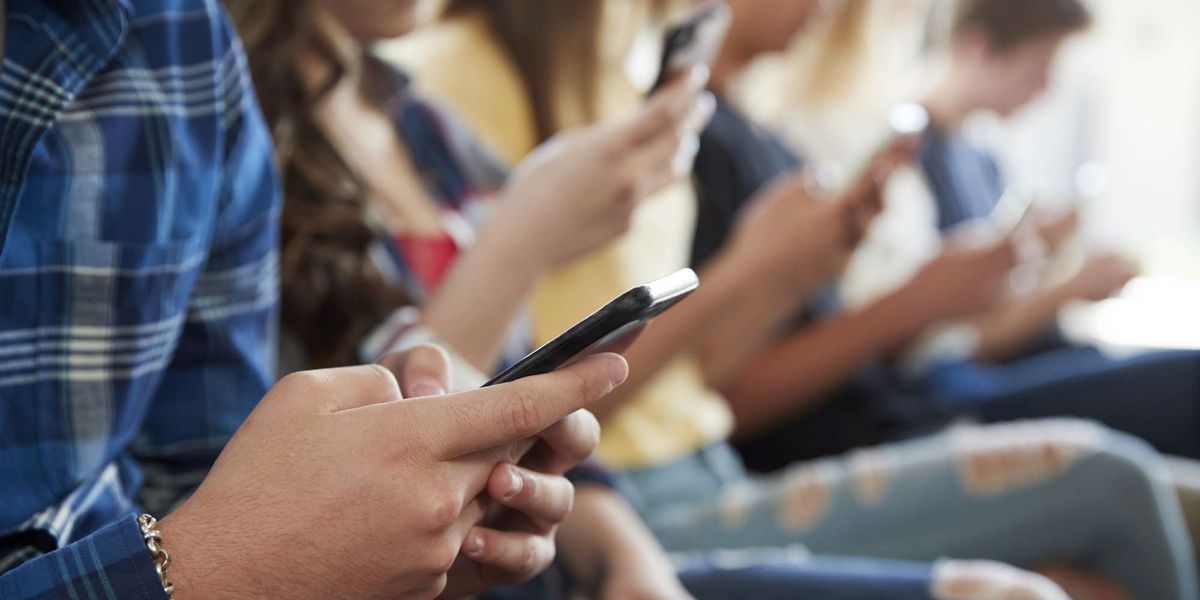
The report identifies a highly distributed misinformation ecosystem in which no single source is responsible. Social media is the dominant vector, cited by 61% of respondents who had encountered health falsehoods. Blogs and websites were cited by 30%, informal circles of friends and family by 27%, traditional media by 26%, and workplace peers by 20%. Generative AI chatbots were identified by 19% of respondents, a finding that illustrates the rapidly changing nature of the problem. AI systems can now produce convincing, personalised health advice that is completely false, and they do so without the obvious signs of low-quality content that used to alert readers. The report says social media is effective because its algorithms are optimised for engagement, not accuracy. Misinformation often triggers stronger emotional reactions than evidence-based advice, and therefore spreads further and faster. It is also difficult to correct, because anyone who posts a rebuttal may be dismissed or attacked. Closed messaging groups and private forums make the problem even worse, as they are largely invisible to regulators, journalists, and public health authorities. Traditional media, although less commonly cited, still play a role by giving airtime to celebrities, influencers, and campaigners who repeat false claims, thereby giving those claims an aura of legitimacy. The report draws attention to the fact that misinformation is not solely a technology company problem; it is also a social and cultural problem, embedded in conversations between friends, families, and colleagues. The authors argue that the range of sources means a single legal ban or a simple platform policy cannot solve the issue. Instead, the UK needs a comprehensive strategy that combines digital literacy, transparency requirements for algorithms, and effective enforcement against the most dangerous commercial actors.
The report also offers a detailed picture of the types of misinformation people are encountering. Vaccine-related falsehoods were the most common, cited by 24% of respondents, reflecting a persistent current of anti-vaccine activity that has continued long after the peak of the pandemic. Dietary supplements and off-label weight-loss injections followed closely at 21%, a category that has expanded rapidly as online pharmacies, influencers, and wellness brands market products with little or no evidence. Climate-related health claims were mentioned by 18%, and mental health therapies by 16%. The report points out that these are overwhelmingly commercialised and polarised wellness areas. Vaccine misinformation has been linked to falls in routine childhood immunisation rates, while false claims about supplements and weight-loss injections can have direct physical consequences. Climate-related health claims often overlap with anti-government narratives, and mental health misinformation is especially damaging because it targets vulnerable people who are seeking relief and may be willing to abandon evidence-based treatment. Around 60% of respondents believe misinformation is encouraging people to buy unverified therapies, damaging trust in NHS services, and promoting refusal of evidence-based treatment. The report warns of a downward spiral: people who lose faith in conventional medicine turn to unregulated remedies; when those remedies fail, their distrust deepens, making it even harder for healthcare professionals to help them. Misinformation can therefore be a direct cause of serious medical harm, contributing to delayed cancer diagnoses, interrupted treatment courses, and preventable infections. The authors argue that the pattern is consistent with an emerging public health emergency and call for clinicians to be trained in how to respond to patients who have absorbed false and misleading health information.
A striking feature of the survey is the level of public support for government intervention. Nearly half of respondents, 47%, said they want stronger state action to tackle health misinformation. The most popular proposed measures include legislation to penalise commercial actors who profit from fraudulent health advice, investment in public health literacy programmes, and mandatory warning flags on social media posts that contain unverified health claims. These findings suggest that the public is ahead of many politicians in demanding a more assertive response. The report argues that voluntary codes of conduct and self-regulation by social media companies have not been sufficient. The internet has brought enormous benefits, but it has also created a marketplace in which misinformation can be monetised at scale, often at the expense of people’s health. The authors are careful to say that government action should not become a tool for censorship. They argue that warning flags and educational initiatives can respect free expression while helping people make better choices. Legislation aimed at commercial actors would target fraudulent marketing rather than individual speech, and public health literacy programmes would address the root cause by strengthening people’s ability to assess the claims they encounter online. The report stresses that these measures are complementary, not alternatives. It also notes that the UK has an opportunity to develop an internationally influential model for regulating health misinformation, combining digital law, consumer protection, and public health policy. The strong public support for intervention gives politicians, whatever their party, a clear mandate to act with greater urgency.
Professor Liam Smeeth, Director of LSHTM, was unequivocal in his assessment of the findings. “With a fifth of UK adults saying they have made a health decision they regret based on health misinformation, rising to a third of those aged under 34, and a fifth saying they know someone who has suffered serious harm as a result of health misinformation, this is a problem that we can no longer ignore,” he said. “In a world of invisible algorithms and closed networks, both online and offline, we often don’t know what kinds of false or misleading health information our families, friends, and neighbours are being exposed to. This report gives us a detailed picture of the health misinformation people in the UK are encountering, their concerns about it, the harm they believe it is causing, and what they think we should do about it.” He added: “Health misinformation is sometimes dismissed as a fringe problem, but this new evidence suggests the false and misleading claims in our feeds, online, and in everyday conversations are seriously damaging the UK’s health. We hope these findings will motivate institutions across the UK to consider what more they can do to help people identify and resist harmful health misinformation and find the accessible, trustworthy health information they need.” Smeeth’s comments highlight the urgency felt by the public health community. He draws attention to the hidden nature of the problem, where much misinformation circulates in spaces that researchers cannot easily observe. His reference to “institutions across the UK” implies that the solution is not a task for one ministry or regulator alone. The report is intended to serve as a starting point for a national conversation, and its authors have promised to work with partners in the NHS, universities, schools, and technology companies to develop practical interventions.
The study’s limitations should be acknowledged. The findings are based entirely on self-reported survey responses, meaning that the regret and harm described by participants cannot be clinically verified. Some people may have cited misinformation as the cause of a decision when other factors, such as cost, personal preference, or cultural attitudes, were also at play. The sample sizes outside England were comparatively small, limiting the report’s ability to draw robust conclusions about Scotland, Wales, and Northern Ireland. The survey was also conducted online, and although it was weighted to be nationally representative, people without internet access were not captured; this could affect the findings, since online misinformation is a major part of the problem. However, the authors say the overall pattern is too strong to be dismissed. They note that many participants expressed concern not only about their own health but also about family, friends, and neighbours, and the consistency of the results across age groups and information channels gives the report substantial credibility. The report’s central claim is that health misinformation is a public health hazard in its own right. In the same way that contamination in food or water supplies is regarded as a serious threat requiring regulation, the authors argue that dangerous information in the health sphere should be viewed with equivalent seriousness. They call for a system that makes reliable health information easier to find, more engaging to read, and more likely to be shared. They also call for greater investment in research to track misinformation in real time and measure the impact of interventions. With one in five UK adults already saying they regret a health decision based on false claims, and one in three under-34s saying the same, the report concludes that the social and financial cost of doing nothing will only continue to grow.


