






Here is a comprehensive news article summarizing the provided information.
Nigeria’s Media Watchdog Issues Stark Warning as 2027 Election Season Ignites
By Athekame Kenneth
As Nigeria formally ushers in the campaign period for the 2027 general elections, the nation’s broadcast regulator has issued a stringent and unequivocal warning to the media landscape. The National Broadcasting Commission (NBC) has placed all broadcasters, online publishers, bloggers, and content creators on high alert, cautioning that the dissemination of misinformation, hate speech, and inflammatory content will not be tolerated. This directive signals a decisive move by the government to fortify the integrity of the information environment, which is increasingly viewed as a critical battleground in the lead-up to the polls. The commission’s stance underscores the delicate balance between the unfettered exercise of free speech and the imperative to maintain national security and public order in Africa’s most populous democracy.
The warning arrives at a pivotal moment, as the political atmosphere begins to heat up with campaigns for the presidency and the National Assembly officially commencing on Wednesday, August 19. This period is traditionally characterized by a surge in political messaging, and the NBC’s proactive measure seeks to establish clear boundaries from the outset. By addressing a wide spectrum of media operators—from established television and radio networks to the sprawling digital ecosystem of online news platforms and social media influencers—the commission is acknowledging the profound shift in how information is consumed and disseminated. The digital space, in particular, has become a fertile ground for unverified claims and partisan vitriol, making the regulator’s task both more complex and more vital than ever before.
In an official statement, Moses Jolayemi, the Technical Adviser to the NBC’s Director-General, Charles Ebuebu, articulated the commission’s position. He emphasized that the commencement of political campaigns logically places a greater and more profound responsibility on the shoulders of those who serve as gatekeepers of information. The core principles underpinning this directive are accuracy, fairness, balance, and professionalism. These are not merely aspirational goals but are framed as operational requirements for any media entity operating within Nigeria’s jurisdiction. The statement serves as a formal reminder that the right to broadcast and publish comes with a corresponding duty to ensure that the public discourse is not polluted by falsehoods that could incite violence or undermine the credibility of the electoral process.
This regulatory push is rooted in the legal framework that governs broadcasting in Nigeria, most notably the Nigerian Broadcasting Code. The Code has long contained provisions against the broadcast of material that could be deemed hate speech or that is likely to lead to a breach of the peace. However, this new directive signals a more rigorous enforcement of these existing rules. It reflects a growing concern within the government and among security agencies about the potential for social media platforms to be weaponized to spread disinformation, manipulate public opinion, and exacerbate ethnic or religious tensions. In a nation as diverse as Nigeria, where political loyalties often intersect with regional and communal identities, the potential for inflammatory rhetoric to spark real-world violence is a constant and serious threat.
The commission’s focus on “content creators” is particularly noteworthy, as it extends the reach of the regulator beyond traditional media outlets. With the rise of citizen journalism and the popularity of podcasts, YouTube channels, and TikTok influencers, the definition of a “broadcaster” has expanded significantly. In recent years, the NBC has attempted to bring online streaming services and social media personalities under its purview, arguing that they now wield the same power to inform and influence the public as traditional broadcasters. This latest statement reinforces that ambition, making it clear that the NBC will be monitoring the digital space for content that violates its codes of conduct. The challenge, however, remains in the practical enforcement of these rules across a vast and decentralized digital frontier.
The NBC’s warning also carries implicit sanctions for non-compliance. The commission holds the power to levy fines, suspend licenses, and in extreme cases, revoke the broadcasting licenses of offending stations. For online publishers and bloggers, the consequences could involve regulatory referral to law enforcement agencies for prosecution under Nigeria’s cybercrime laws. The threat of these punitive measures is intended to serve as a powerful deterrent, compelling media houses and individual online personalities to exercise greater caution and editorial oversight over the content they disseminate. By signaling a readiness to enforce its mandate, the NBC aims to create a self-regulating environment where the fear of sanction encourages responsible behavior.
However, this hardline approach has also raised concerns among civil society organizations and press freedom advocates. They argue that while curbing misinformation is a legitimate goal, the powers vested in the NBC could be prone to abuse, potentially being used to stifle legitimate dissent and opposition voices. The line between “hate speech” and robust political criticism can sometimes be thin, and there are fears that the regulator might overreach in its bid to control the narrative. These advocates call for a more nuanced approach that focuses on media literacy and the promotion of fact-checking, rather than relying heavily on punitive measures that could have a chilling effect on press freedom. The ongoing tension between ensuring national security and preserving constitutional guarantees of free expression remains a central point of contention.
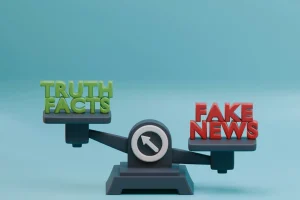
Beyond the immediate concerns of the upcoming elections, the NBC’s directive speaks to a broader, global challenge concerning the integrity of the public sphere. The spread of “fake news” has become a pervasive issue, and many countries are grappling with how to regulate the flow of information without resorting to authoritarian measures. Nigeria’s approach, which leans heavily on a regulatory body with coercive powers, represents one model of tackling this issue. The success or failure of this strategy will be closely watched by other nations in the region and beyond, as they seek effective ways to protect their democratic processes from the corrosive effects of digital-age disinformation.
In the coming months, as the political temperature rises, all eyes will be on the NBC to see how it implements this warning in practice. The commission will likely face its first major test during the peak of the campaign season, when the volume of political messaging reaches a crescendo. Its willingness to take action against high-profile offenders, regardless of their political affiliations, will be crucial in determining the credibility of its threat. The onus is now on media practitioners to balance their role as watchdogs of the government and the public interest with their responsibility to provide accurate and balanced reporting, free from partisan bias and sensationalism. The promise of a peaceful and credible 2027 election may, in part, depend on their ability to meet these high standards.
The economic dimension of this regulatory scrutiny cannot be overlooked. Broadcasters and online publishers operate in a competitive market where sensationalism often drives audiences and, consequently, advertising revenue. The temptation to publish unverified or provocative content to attract clicks and viewership is strong. The NBC’s directive, therefore, introduces a commercial risk for media entities that choose to prioritize viral impact over journalistic integrity. This dynamic creates a challenging business environment where responsible journalism must be made economically viable. The commission’s enforcement of its rules will effectively penalize those who engage in the “economics of outrage,” thereby leveling the playing field for media outlets that adhere to professional standards.
Furthermore, the role of the public is indispensable in this ecosystem. While the NBC regulates the supply side of information, media literacy is the key to managing the demand side. A population that is equipped to critically evaluate sources, verify facts, and recognize propaganda is less susceptible to the influence of misinformation. The NBC’s warning, coupled with civic education campaigns, could help foster a more discerning public. By empowering citizens to not passively consume information but to actively question it, Nigeria can build a more resilient democratic culture. The regulator’s efforts, therefore, should ideally be complemented by a broader societal push towards digital literacy.
In conclusion, the National Broadcasting Commission has drawn a firm line in the sand for Nigeria’s rapidly approaching 2027 electoral cycle. Its warning to broadcasters, online publishers, and content creators is a clear and unambiguous statement of intent to police the information space. While the goal of ensuring a peaceful and credible election is universally shared, the methods employed to achieve it will undoubtedly be a subject of intense debate. The coming weeks and months will reveal whether this regulatory clampdown serves to elevate the quality of public discourse or whether it will be perceived as an instrument of censorship. The challenge for the NBC will be to navigate this complex terrain with a fair and consistent hand, ensuring that its actions serve to protect the sanctity of the ballot box and not merely to shield those in power from uncomfortable truths. The 2027 election will not only test Nigeria’s political leaders but will also serve as a critical examination of the resilience of its media and the robustness of its democratic institutions in the face of the digital age’s most formidable challenges. The burden of upholding the public trust now falls squarely on the media, holding the power to either inform and unite or to mislead and divide a nation. The world will be watching to see which path is chosen.


