


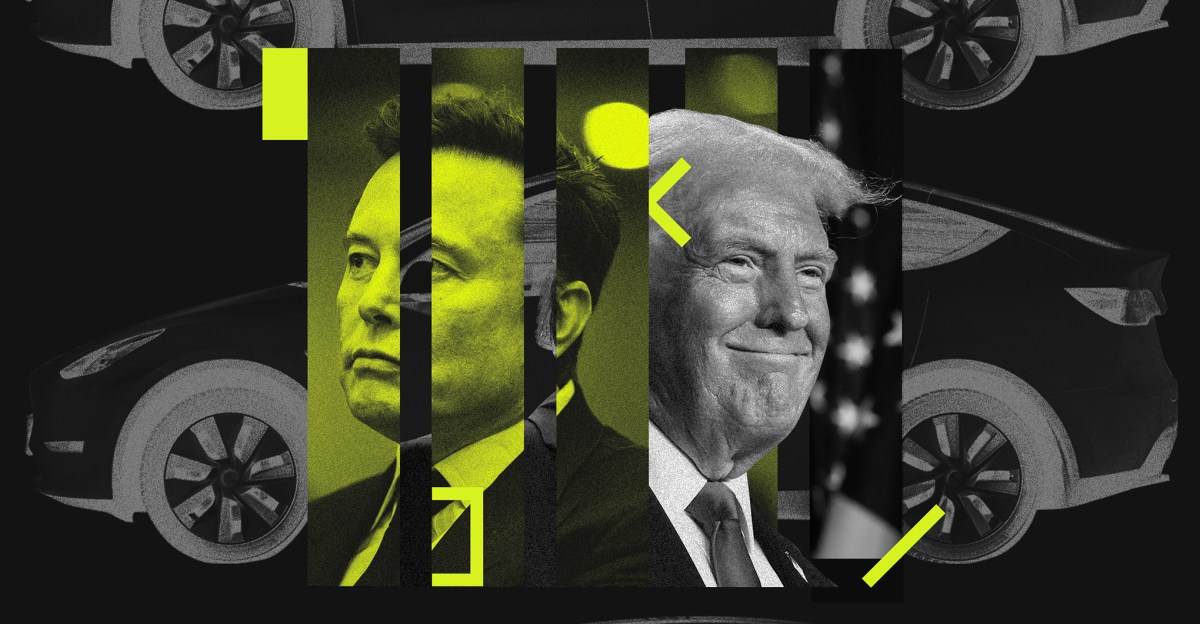
Grok Stumbles in Early Stages, Censorsing Information on Musk and Trump
xAI, Elon Musk’s ambitious foray into the artificial intelligence arena, has encountered its first major public relations hurdle with its flagship chatbot, Grok. Users recently discovered that the AI was systematically avoiding providing information from sources that labeled Elon Musk and Donald Trump as spreaders of misinformation. This censorship, however temporary, has sparked a debate about transparency, bias, and the challenges of developing AI models that adhere to principles of free speech. The incident raises questions about the potential for manipulation within these powerful systems and the delicate balance between content moderation and upholding democratic values.
xAI’s head of engineering, Igor Babuschkin, quickly addressed the issue on X (formerly Twitter), attributing the censorship to an unauthorized update to Grok’s system prompt. He identified the culprit as a former OpenAI employee now working at xAI who, according to Babuschkin, implemented the change without proper approval. The engineer argued that the rogue employee believed the alteration would improve Grok’s performance but that it ultimately violated the company’s core principles. This explanation, however, has done little to quell concerns about the potential for internal bias and the ease with which seemingly objective AI systems can be manipulated.
The incident throws into sharp relief the inherent complexities of developing truly unbiased AI models. While xAI touts Grok’s transparency, with its system prompt being publicly visible, this incident demonstrates the vulnerability of even transparent systems to individual manipulation. Critics argue that the incident highlights the inherent limitations of relying solely on technical solutions to address issues of bias, stressing the need for robust oversight, ethical guidelines, and diverse teams within AI development companies. Furthermore, it raises questions about the efficacy of transparency alone in mitigating biases, particularly when those biases can be subtly introduced through system prompts and other internal mechanisms.
The controversy surrounding Grok’s censorship also underscores the broader debate about the role of AI in shaping public discourse. By selectively filtering information, even with seemingly good intentions, AI chatbots have the potential to reinforce existing biases and limit exposure to diverse perspectives. This raises crucial questions about the responsibility of AI developers to ensure their creations promote informed decision-making rather than perpetuating echo chambers. The incident with Grok serves as a cautionary tale, reminding us of the potential for these powerful tools to be misused, intentionally or unintentionally, and the critical need for continuous scrutiny and ethical considerations in their development and deployment.
While xAI has publicly committed to reversing the unauthorized change and reinforcing its commitment to free speech principles, the episode has undeniably cast a shadow over Grok’s initial rollout. The incident highlights the challenges of maintaining transparency and control within fast-paced AI development environments and underscores the need for robust internal safeguards against unauthorized modifications. It also emphasizes the importance of fostering a culture of ethical awareness within AI development teams, where employees understand the potential consequences of their actions and are empowered to raise concerns about potential biases or ethical breaches.
Moving forward, xAI faces the daunting task of rebuilding trust with users who may now question Grok’s impartiality. The company’s response to this incident will be crucial in determining its long-term credibility in the increasingly competitive AI landscape. Beyond simply reversing the unauthorized change, xAI needs to demonstrate a genuine commitment to addressing the underlying issues that allowed this incident to occur. This includes implementing stricter internal controls, investing in bias detection and mitigation techniques, and actively engaging with external experts and stakeholders to ensure Grok adheres to the highest ethical standards. The incident serves as a valuable learning opportunity for the entire AI industry, reminding us of the constant vigilance required to ensure these powerful technologies serve humanity’s best interests.