








Here is a summary of the content, structured into 6 paragraphs as requested.
Paragraph 1: Introduction to the Accusation
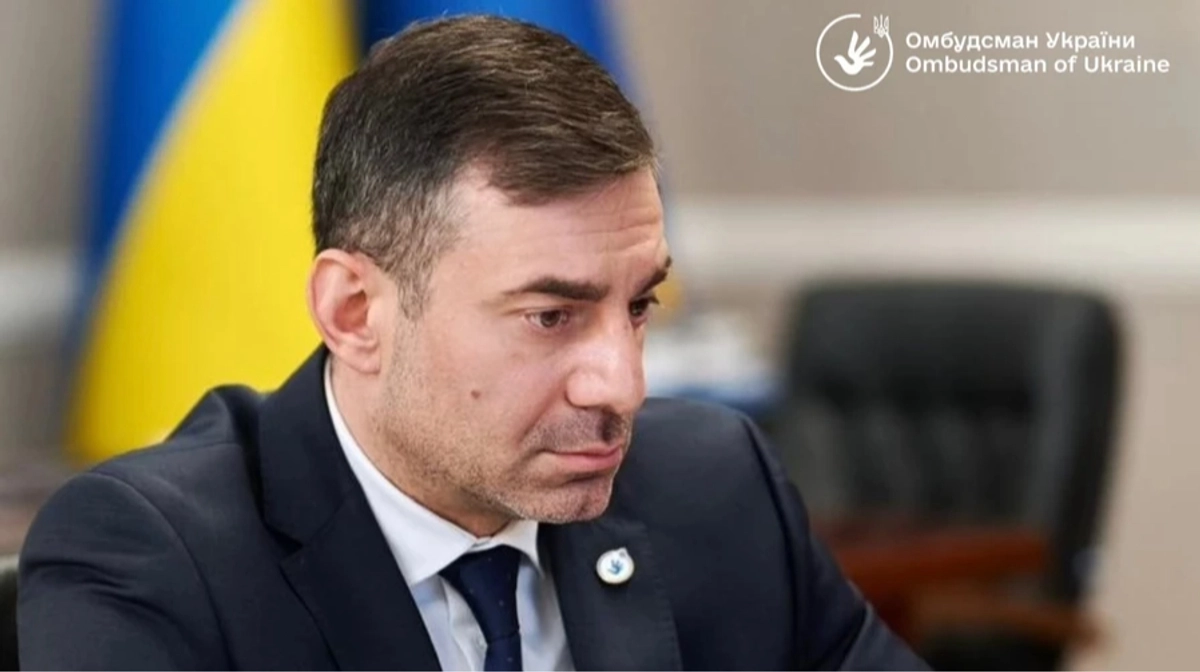
Dmytro Lubinets, the Ukrainian Parliament Commissioner for Human Rights, has publicly accused Russia of orchestrating a cynical and systematic disinformation campaign surrounding the exchange of prisoners of war. In a recent press conference, Lubinets highlighted that Russia is actively publishing lists of Ukrainian POWs, claiming that Ukraine refuses to accept them back. This, he asserts, is a deliberate tactic to invert the narrative and shift blame for stalled exchanges onto Ukraine. The Commissioner emphasized that this occurs while Russia itself is responsible for delaying the actual return of these individuals. The accusation points to a clear strategy by Moscow to use the deeply sensitive issue of POWs as a tool for propaganda and psychological manipulation, aiming to undermine international confidence in the Ukrainian government and its commitment to its citizens.
Paragraph 2: The Russian Information Campaign
Lubinets detailed that the Russian actions are part of a broader information war being waged against Ukraine, which operates in parallel with the kinetic military conflict. He noted that moments before his press conference, a Russian representative had once again released such lists, demonstrating the coordinated and timely nature of these propaganda efforts. The Ukrainian official framed this as a clear attempt to discredit Ukraine on the world stage, portraying it as a state that neglects its obligations under international humanitarian law. He stressed that the Kremlin is using every available tool—missiles, drones, and now sophisticated disinformation—to achieve its goals. The ultimate aim of this campaign is not just to influence public opinion but to erode the substantial support Ukraine receives from its international partners by manufacturing a false equivalence between the two nations’ conduct in the war.
Paragraph 3: Ukraine’s Unwavering Position
In response to these claims, Lubinets delivered a firm and unequivocal rebuttal, stating that Ukraine has never refused to take back any of its citizens. He clarified that this commitment extends to all categories of people held by Russia, including prisoners of war, civilian hostages, and Ukrainian children who have been illegally deported. The Ombudsman’s stated position is that Ukraine is prepared to accept absolutely everyone whom the Russian Federation is willing to hand over. This categorical statement is intended to counter the Russian narrative directly, presenting Ukraine as the party that is fully compliant with humanitarian norms and eager to facilitate the return of its people. The Commissioner’s words underscore a fundamental difference in approach: Ukraine sees the return of its citizens as a paramount duty, while Russia, he implies, views them as bargaining chips or tools for propaganda.
Paragraph 4: The Mechanism of Delay and Deception
Lubinets provided insight into the operational reality of these negotiations, exposing what he sees as Russia’s deceptive modus operandi. According to him, the moment Russia publishes one of these lists, the Ukrainian side immediately responds by sending a formal request, confirming its readiness and willingness to accept the listed individuals back. However, instead of proceeding with the transfer, the Russian side then initiates a lengthy and bureaucratic approval process. This serves to deliberately delay the procedure while simultaneously allowing Russia to maintain its public narrative that Ukraine is the obstacle. This cyclical pattern of accusation, response, and stalling reveals a calculated strategy designed to prolong the suffering of the prisoners and their families, while ensuring Russia maintains a propaganda advantage in the media cycle.
Paragraph 5: Psychological Warfare on Families
The Ukrainian Human Rights Commissioner also shed light on the intended impact of this Russian strategy, identifying it as a form of psychological warfare aimed at the families of POWs and missing persons. Lubinets believes that by repeatedly publishing these lists and claiming Ukraine is refusing to accept its citizens, Russia is attempting to exert maximum psychological pressure on these vulnerable people. The goal is to sow seeds of doubt and deepen distrust in the Ukrainian government’s efforts to secure their loved ones’ release. This tactic is designed to break the morale of the families and create domestic pressure within Ukraine, potentially destabilizing the society from within. By weaponizing the hope of the families, Russia aims to achieve what it cannot on the battlefield, fostering despair and division among the Ukrainian population.
Paragraph 6: Conclusion on the Broader War Context
In conclusion, Lubinets’s statements highlight a critical, non-kinetic front in the war. The battle over the narrative regarding prisoners of war is as important to the Kremlin as its military operations, serving to test the resolve of Ukraine and its allies. The Russian tactic of publishing lists is not an act of goodwill but a propaganda tool, meticulously crafted to invert reality and accuse Ukraine of inaction. The insistence of the Ukrainian Ombudsman’s office on its unwavering readiness to accept all its citizens serves as a direct counterpoint to this disinformation. However, the core issue remains the safety and return of the hundreds, if not thousands, of individuals in Russian captivity. The delay tactics and propaganda they face are a stark reminder that for these prisoners and their families, the war continues in a deeply personal and painful way, far from the front lines.


