


Moldova on the Brink: Disinformation Floods Election as Country Chooses Between East and West
Chisinau, Moldova finds itself at a critical juncture, grappling with a deluge of disinformation as the country prepares for parliamentary elections on Sunday. This vote is widely perceived as a decisive moment, shaping Moldova’s trajectory towards either European integration or a return to Moscow’s sphere of influence. The pro-European Party of Action and Solidarity (PAS), currently in power, faces an uphill battle against a wave of propaganda aimed at eroding its support. This orchestrated campaign, attributed to Russia, leverages sophisticated AI technology, marking a new era in online influence operations.
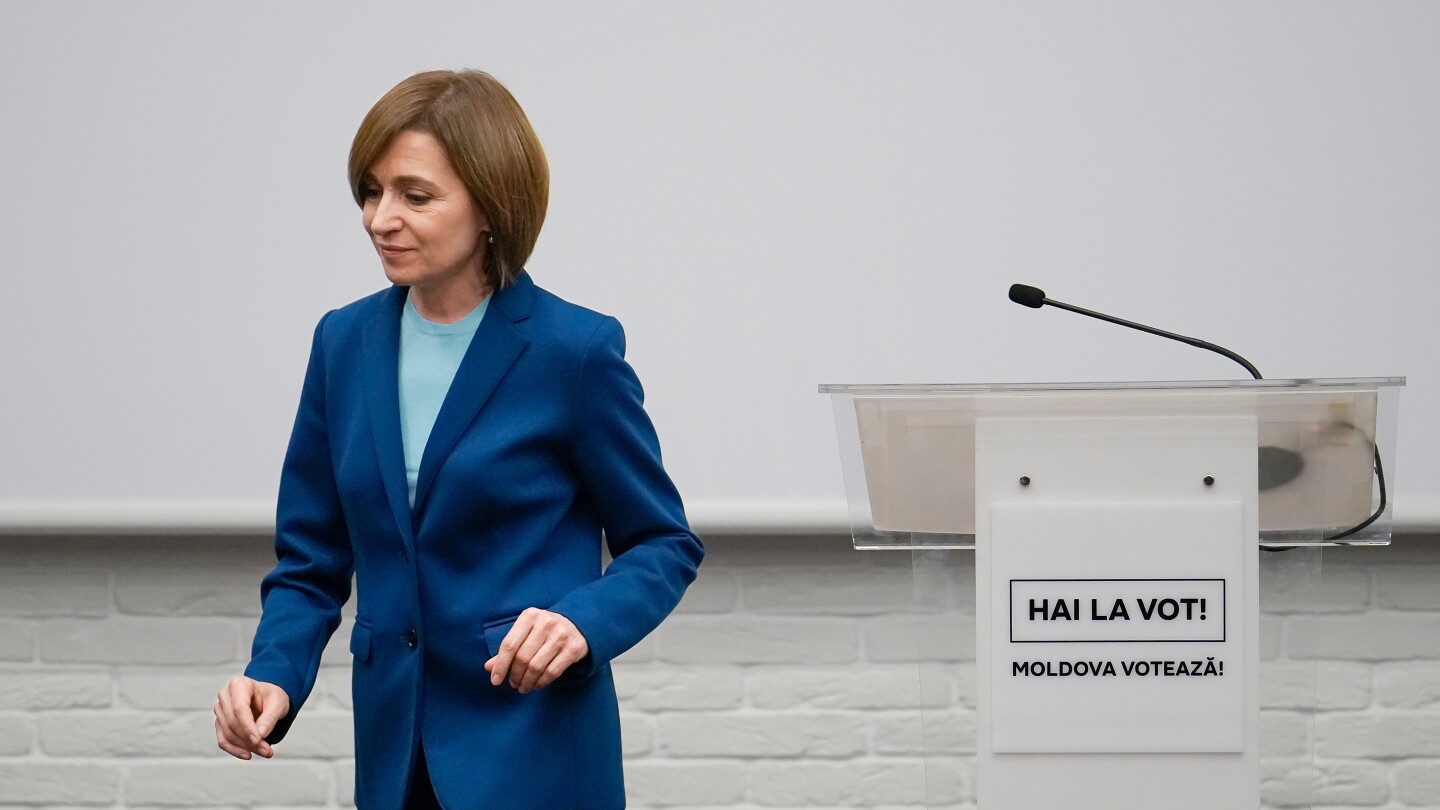
The disinformation campaign unfolds across multiple platforms, utilizing AI-generated websites mimicking legitimate media outlets, “engagement farms” based in Africa to amplify pro-Russian narratives, and swarms of AI bots flooding comment sections with anti-EU and anti-PAS rhetoric. These efforts aim to sow discord, manipulate public opinion, and ultimately sway the election in favor of pro-Russian parties. Moldovan President Maia Sandu has labeled this election the “most consequential” in the nation’s history, emphasizing the stark choice between democratic stability and Russian influence. She asserts that EU membership offers the strongest defense against what she identifies as the primary threat – Russia’s interference. Recent arrests of individuals allegedly involved in a Russia-backed plot to destabilize the country underscore the gravity of the situation.
The emergence of AI-generated platforms like Restmedia, masquerading as credible news sources while disseminating pro-Kremlin propaganda, presents a new challenge in the fight against disinformation. Restmedia, investigated by Reset Tech, a non-profit monitoring digital threats, exemplifies how AI is exploited to generate seemingly legitimate content, including articles and graphics, which are then translated and amplified by websites across multiple European languages. This sophisticated approach allows pro-Russian narratives to reach wider audiences under the guise of objective journalism. The use of “engagement farms,” primarily in Africa, further amplifies this disinformation through coordinated activity on social media platforms like X (formerly Twitter).
The investigation into Restmedia revealed technical links to Russia, including IP addresses and website metadata, despite attempts to conceal its infrastructure. This raises concerns about the scale and reach of such operations, prompting questions about the efficacy of current efforts by major tech companies to detect and combat them. While platforms like Google and YouTube report taking measures to address coordinated influence operations, the ease with which these AI-driven campaigns evade detection highlights the need for more robust and proactive strategies.
Beyond AI-generated websites, the disinformation campaign has permeated social media platforms like TikTok and Facebook. Monitoring organizations have identified networks of inauthentic accounts disseminating anti-EU and anti-Sandu content, leveraging sophisticated tactics to manipulate algorithms and boost visibility. These campaigns exploit fear and resentment, often targeting Sandu personally with fabricated stories and gender-based attacks. The sheer volume of these coordinated efforts, coupled with the speed and efficiency with which AI can generate content and profiles, presents a formidable challenge.
The Moldovan government is not passively observing this assault on its democratic process. President Sandu has recently signed a decree establishing a center to counter disinformation, signaling a commitment to fighting back against these manipulative tactics. However, the effectiveness of such measures remains to be seen, especially in the face of constantly evolving disinformation techniques. Meanwhile, the ongoing investigations into voter corruption, illegal party financing, and money laundering, allegedly linked to fugitive pro-Russian oligarch Ilan Shor, further complicate the electoral landscape.
The accusations against Shor, convicted of fraud and believed to be residing in Moscow, highlight the complex interplay of political and financial interests fueling the disinformation campaign. The alleged use of Facebook and YouTube ads to spread anti-PAS narratives and the reported distribution of funds to amplify these messages underscore the scale and resources behind these efforts. The Moldovan authorities’ attempts to counter these operations through raids and arrests demonstrate the ongoing struggle to maintain the integrity of the electoral process. Whether these efforts will prove sufficient to stem the tide of disinformation and ensure a free and fair election remains a critical question as Moldova stands at this crucial crossroads.