


The AI Misinformation Tsunami: How Generated Content Threatens Emergency Response
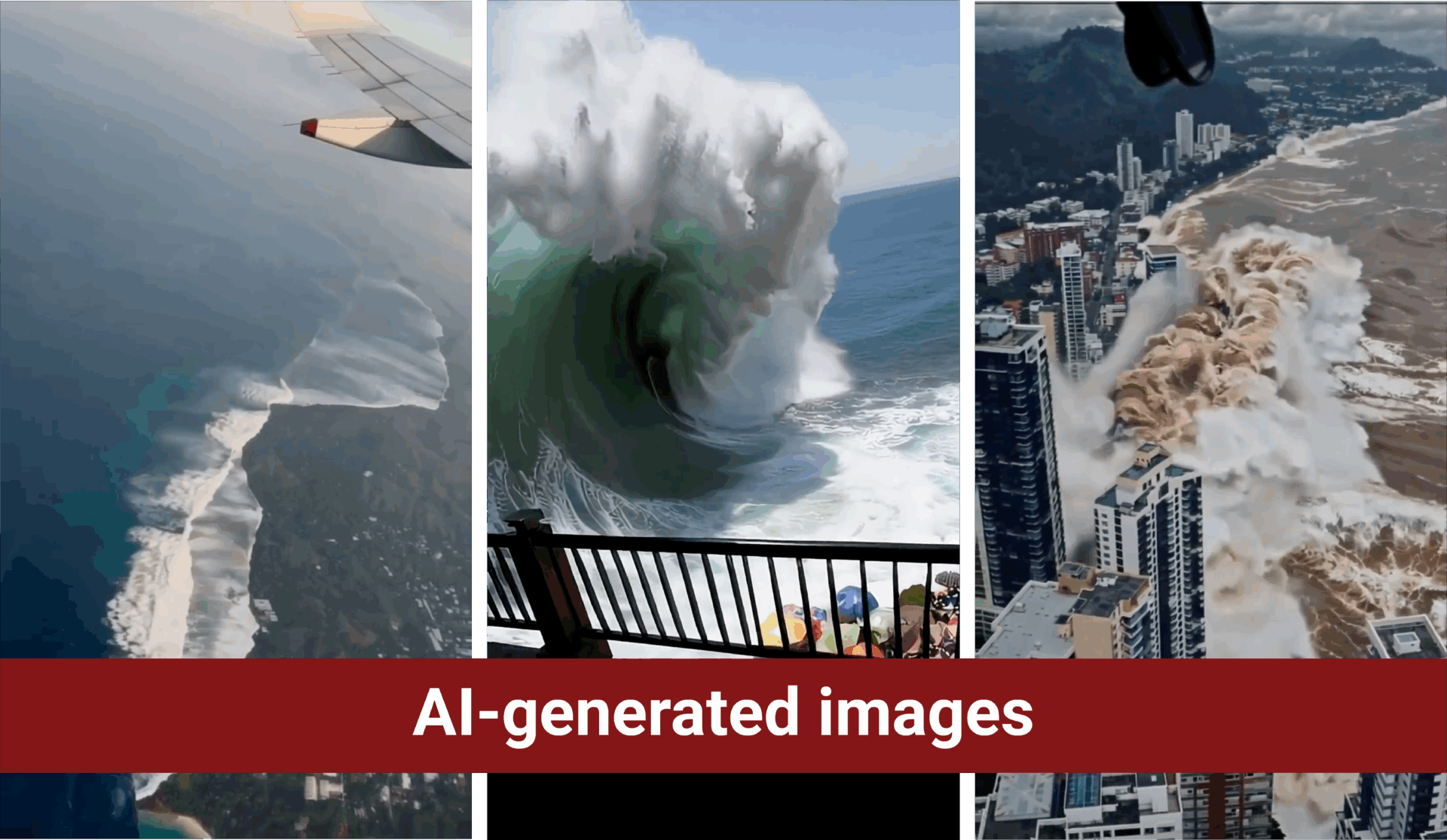
The rise of readily accessible AI tools has ushered in a new era of misinformation, posing unprecedented challenges to emergency response efforts. No longer confined to the fringes of the internet, AI-generated fake videos, images, and audio clips can now be created and disseminated in minutes, often reaching millions before fact-checkers can intervene. This new reality was starkly illustrated during a 2025 tsunami alert, where fabricated videos of colossal waves inundating coastlines went viral, while an AI chatbot spread false information about cancelled alerts. This incident underscores the urgent need to address the growing threat of AI-driven misinformation during crises.
The speed and sophistication of AI-generated content exacerbate the existing challenges of misinformation. Falsehoods, as demonstrated by a 2018 MIT study, already spread faster and wider than truth online. The advent of user-friendly AI tools only amplifies this phenomenon, generating realistic deepfakes and fueling what’s termed the “liar’s dividend,” a skepticism towards genuine information due to the prevalence of fakes. This hesitation can be fatal in emergencies, where rapid, informed action is crucial.
Beyond natural disasters, AI-generated misinformation has permeated various crisis scenarios. From exaggerated wildfire footage and fabricated flood reports to manipulated imagery during geopolitical conflicts, AI-generated content has muddied the waters of truth, making it increasingly difficult to discern fact from fiction. The use of deepfakes in the Russia-Ukraine war and the dissemination of fake nuclear alerts during the India-Pakistan standoff highlight the potential for AI-driven misinformation to escalate tensions and undermine public trust. Even official government channels have been implicated in the spread of AI-generated misinformation, either intentionally for propaganda purposes or unintentionally due to lack of verification.
The dangers of AI-generated misinformation extend to sensitive areas like nuclear safety and public health. During the Fukushima wastewater release, AI-generated images of mutated marine life were circulated, fueling public anxieties and undermining scientific consensus. Similarly, fabricated satellite images and audio clips during the India-Pakistan standoff demonstrated the potential for AI-driven misinformation to inflame international tensions and even contribute to escalation of conflict. This manipulation of information underscores the urgent need for strategies to combat the spread of AI-generated falsehoods in high-stakes situations.
While social media has undeniably played a role in disseminating misinformation, it’s crucial to acknowledge its life-saving potential during emergencies. Real-time updates, crowd-sourced information, and direct communication channels have proven invaluable in disaster response. The challenge lies in harnessing the benefits of social media while mitigating the risks of misinformation. The goal is not to eliminate social media as a tool, but rather to refine its use, filtering out the harmful content while amplifying verified and helpful information.
Combating the deluge of AI-generated misinformation requires proactive strategies that address both the creation and dissemination of fake content. Simply debunking misinformation after it has spread is insufficient. Prebunking, or inoculating the public against common misinformation tactics, is crucial. Platforms and emergency managers should proactively educate users on identifying AI-generated content and familiarizing them with common misinformation themes before crises occur. Furthermore, platforms must adopt crisis response mechanisms, such as throttling the virality of unverified content, promoting official information, and prioritizing fact-checking during emergencies. Critically, the current incentive structures that reward engagement—often at the expense of accuracy—must be re-evaluated. Suspending monetization for unverified content during emergencies and redirecting funds to trusted news sources could help prioritize accuracy over clickbait. Finally, robust content provenance standards and clear “all clear” signals from authorities are essential to ensure the public can distinguish authentic information from AI-generated fakes. These strategies, implemented collectively, offer a path towards a more informed and resilient information ecosystem in the age of AI.