


The Rise of Conspiracy Theories and Their Impact on Relationships
In an era defined by the proliferation of misinformation, often referred to as an "infodemic," conspiracy theories have permeated various facets of society, significantly impacting interpersonal relationships. A 2023 Leger opinion poll revealed a concerning prevalence of conspiracy beliefs, with nearly 80% of Canadians and 85% of Americans subscribing to at least one such theory. This phenomenon transcends age demographics, affecting young adults and even adolescents, highlighting the widespread susceptibility to misinformation. The current socio-political climate has created a fertile ground for conspiracy narratives, ranging from COVID-19 and vaccines to election fraud, to flourish and spread rapidly. These beliefs, often centered on secret plots orchestrated by powerful entities with malicious intentions, contribute to a climate of distrust and polarization.
The Personal Toll of Conspiratorial Thinking
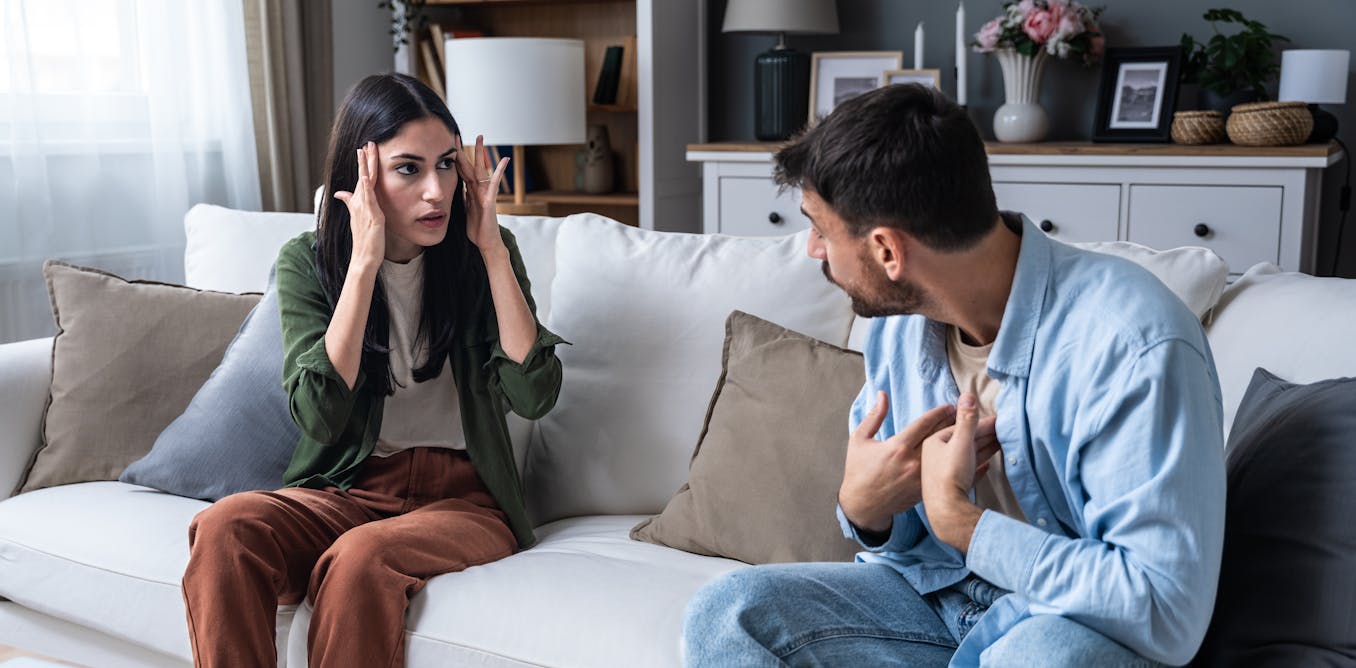
The pervasiveness of conspiracy theories poses a unique challenge for romantic relationships. Partners often find themselves grappling with a sense of estrangement and uncertainty as their loved ones descend into the "rabbit hole" of conspiratorial thinking. The gradual shift in viewpoints, often starting with a move towards more conservative ideologies and escalating into full-fledged embrace of misinformation, can leave partners feeling bewildered and hopeless. The rise of movements like QAnon and the consumption of media outlets known for disseminating misinformation further exacerbate this divide. Anecdotal evidence from therapy sessions and online forums like Reddit’s r/QAnonCasualties paints a stark picture of the emotional distress and relationship strain caused by these divergent belief systems.
Navigating the Challenges of Dissonant Beliefs
Couples facing this challenge experience a profound sense of disconnect, as the shared reality that once formed the foundation of their relationship erodes. The partner grappling with their loved one’s conspiratorial beliefs often struggles with feelings of confusion, frustration, and a sense of loss for the person they once knew. The constant exposure to misinformation can create a sense of cognitive dissonance, leading to self-doubt and questioning of one’s own belief systems. Maintaining a strong support network outside the relationship is crucial during this time, providing a grounding force and alternative perspectives.
Strategies for Bridging the Divide
While navigating this complex terrain can be daunting, there are strategies that can help bridge the divide and foster understanding. Maintaining a healthy media diet, exposing the partner to diverse and credible sources of information, can gently counter the echo chamber of misinformation. Avoidance of shaming and blaming is paramount, as emotional arguments tend to be counterproductive and may reinforce the partner’s adherence to their beliefs. Instead, fostering critical thinking skills through open and respectful dialogue can be a more effective approach. Providing access to resources that promote critical thinking and media literacy can empower individuals to evaluate information critically and resist the allure of conspiracy theories.
Seeking Support and Fostering Resilience
Navigating the challenges posed by a partner’s embrace of conspiracy theories can be an isolating experience. Seeking support from therapists or support groups like the Evolve Program and Life After Hate can provide valuable guidance and coping mechanisms. These resources offer a safe space to share experiences and develop strategies for managing the emotional toll of this situation. Building resilience within the relationship requires open communication, empathy, and a willingness to understand the underlying factors that contribute to the partner’s susceptibility to conspiracy theories.
The Path Forward: Research and Resources
Ongoing research aims to further understand the impact of conspiracy theories on interpersonal relationships and develop effective interventions. Studies exploring the influence of QAnon on relationships, for instance, shed light on the challenges faced by couples and the potential for healing. Scoping reviews and qualitative research provide valuable insights into the lived experiences of those affected by this phenomenon. As research progresses, the development of tailored support programs and resources will be crucial in assisting couples navigating these complex dynamics and rebuilding their relationships. These programs can offer practical strategies for communication, conflict resolution, and fostering critical thinking, ultimately empowering couples to bridge the divide created by divergent belief systems.