


The Erosion of Trust and the Rise of Misinformation in a Complex World
In an era saturated with information, the very foundation of truth and trust is crumbling. Chris Morris, chief executive at Full Fact, a fact-checking organization, warns of a looming crisis where societies lose faith in all sources of information. This "tsunami of information," both accurate and false, is overwhelming individuals, leaving them vulnerable to manipulation and eroding their trust in institutions, brands, and even each other. The consequences of this widespread distrust extend far beyond individual skepticism, potentially destabilizing political systems and undermining the credibility of businesses. If people cease to believe anything they encounter, informed public discourse becomes impossible, and the foundations of democracy are threatened.
Morris highlights the allure of conspiracy theories in this complex landscape. These theories offer simplistic explanations for complex problems, providing a sense of order and understanding in a world of uncertainty. Moreover, online communities built around these theories offer a sense of belonging and validation, further entrenching individuals in their beliefs. This human tendency to find meaning in narratives, while natural, becomes dangerous when those narratives are divorced from reality. The challenge, Morris emphasizes, is to acknowledge the power of stories and feelings without sacrificing factual accuracy. He urges a critical approach that embraces skepticism but avoids the trap of believing harmful or misleading information. Finding the right balance between freedom of expression and protecting individuals from harm is a complex dilemma, particularly in the context of powerful tech companies regulating themselves.
Donie O’Sullivan, senior correspondent at CNN Worldwide, underscores the potency of emotions in the spread of misinformation. He argues that "feelings are far more powerful than facts," and conspiracy theories effectively exploit this human vulnerability. People grappling with hardship and seeking explanations for their struggles are particularly susceptible to these narratives, which often provide simple answers and scapegoats. O’Sullivan emphasizes the importance of newsrooms carefully considering their role in either amplifying or debunking these theories. He acknowledges the difficulty in determining when to cover fringe beliefs, citing CNN’s initial reluctance to report on QAnon, which later gained significant traction. This case highlights the challenge of identifying emerging threats in the misinformation landscape and finding the right balance between informing the public and inadvertently giving a platform to harmful ideologies.
Hebe Campbell, a video journalist at The Independent, points to the role of social media in accelerating the spread of misinformation. She notes that platforms like Instagram, initially designed for sharing personal content, have become primary sources of information for many young people. This shift, coupled with the pervasive influence of algorithms and the rise of influencers, has created a fertile ground for misinformation to flourish. Campbell stresses the urgent need for improved media literacy education to equip young people with the skills to critically evaluate online content, identify trustworthy sources, and navigate the complex digital information landscape. She argues that traditional media literacy approaches need to adapt to the realities of social media consumption, where algorithms curate content and trust is often placed in individuals rather than established institutions.
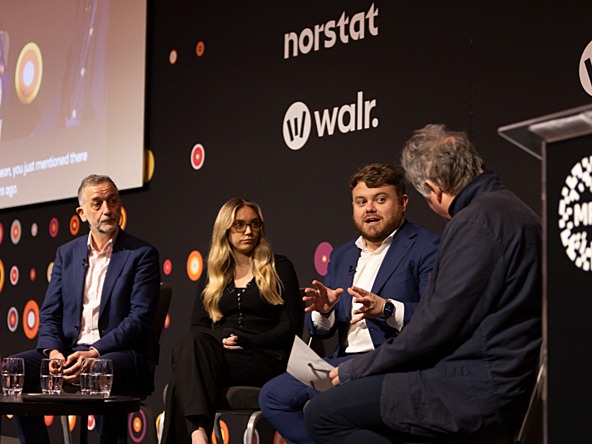
The panel discussion, hosted by Crawford Hollingworth, co-founder of The Behavioural Architects, emphasized the crucial role of researchers in combating misinformation. He underscores the importance of distinguishing between facts and opinions, a task that is becoming increasingly difficult in a world where data itself is often tainted by misinformation. Hollingworth calls upon researchers to uphold the integrity of their work by prioritizing accuracy and actively combating the infiltration of false information into research data and insights. The responsibility, he argues, rests on all those working with data to act as guardians of truth in a world awash in deception.
The erosion of trust in information is not an abstract problem; it has tangible consequences that affect every facet of society. It undermines democratic processes, fuels social division, and impedes effective communication. Addressing this crisis requires a multi-pronged approach that includes: improved media literacy education, more responsible reporting from news organizations, greater accountability from social media platforms, and a renewed commitment to factual accuracy in all forms of communication. The fight against misinformation is a collective one, requiring the combined efforts of individuals, institutions, and researchers to safeguard the integrity of information and rebuild trust in a fractured world. The alternative is a future where truth becomes increasingly elusive, and the very foundations of shared reality crumble.