


The Erosion of Journalistic Integrity and the Rise of Misinformation in Canada
The Canadian news landscape finds itself at a critical juncture, grappling with the proliferation of misinformation and a perceived decline in journalistic standards. The fundamental role of news, to provide citizens with a shared factual foundation upon which to form opinions and make decisions, is being challenged by a confluence of factors, including the digital revolution, the decline of traditional media, and the rise of partisan narratives. This has led to a growing disconnect between the public’s perception of reality and the actual state of affairs, with potentially damaging consequences for democratic discourse and national unity.
The legal framework governing the dissemination of information in Canada traditionally distinguished between knowingly spreading false information, which is a criminal offense, and publishing poorly researched or biased content, which falls under the protection of freedom of the press. However, this distinction is becoming increasingly blurred in the digital age, where the rapid spread of misinformation online can have significant real-world impacts. The CRTC’s increasing regulatory authority over online content reflects a growing recognition of the need to address the issue of misinformation, although its efficacy and potential impact on freedom of expression remain subjects of debate.
The case of Alberta Premier Danielle Smith exemplifies the challenges of navigating the current media landscape. While figures like Preston Manning and the author assert that Smith is not a separatist, a significant portion of the Ontario public holds the opposite view. Manning attributes this discrepancy to a combination of ignorance, indifference, and deliberate misinformation spread by traditional media outlets. This raises concerns about the potential for media bias, particularly with regards to coverage of Western Canada, to shape public perception and contribute to east-west tensions.
The centralization of editorial control in Toronto, with major media outlets based in the city, is seen as a contributing factor to the perceived misinformation and disconnect between different regions of the country. Manning’s critique highlights the potential for geographically concentrated media ownership to perpetuate stereotypes and misunderstandings, particularly when it comes to coverage of Western Canada. The limited diversity of perspectives in national media coverage risks reinforcing regional divisions and undermining national unity.
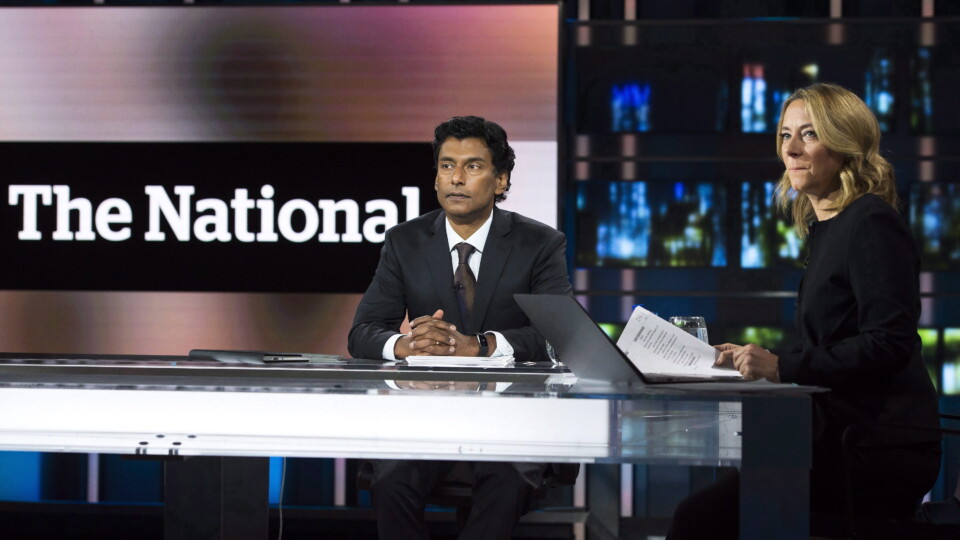
The existing media landscape presents significant challenges to addressing these issues. Established media outlets like CTV, Global, and Postmedia face structural and financial constraints that limit their ability to adapt and diversify their coverage. The CRTC, focused on supporting the existing broadcasting system, is unlikely to drive significant change. The CBC, with its mandate to promote national unity, bears a heavy responsibility in bridging the information gap and fostering mutual understanding between different regions. However, it too faces criticism and accusations of bias, highlighting the difficulty of achieving truly objective and representative news coverage in a polarized environment.
The evolving media landscape calls for innovative solutions and a renewed commitment to journalistic integrity to combat the spread of misinformation and foster informed public discourse. This includes supporting independent journalism, promoting media literacy among citizens, and encouraging greater diversity of voices and perspectives within the media industry. Addressing the issue of misinformation requires a multi-faceted approach, involving government regulation, media self-reflection, and active public engagement to ensure that the news serves its fundamental purpose of providing a shared factual basis for informed decision-making and a healthy democracy. The challenges are significant, but the stakes are too high to ignore. The future of informed public discourse and national unity depends on addressing these issues effectively.