


Could Misinformation Be Fueling Declining Arizona Vaccination Rates?
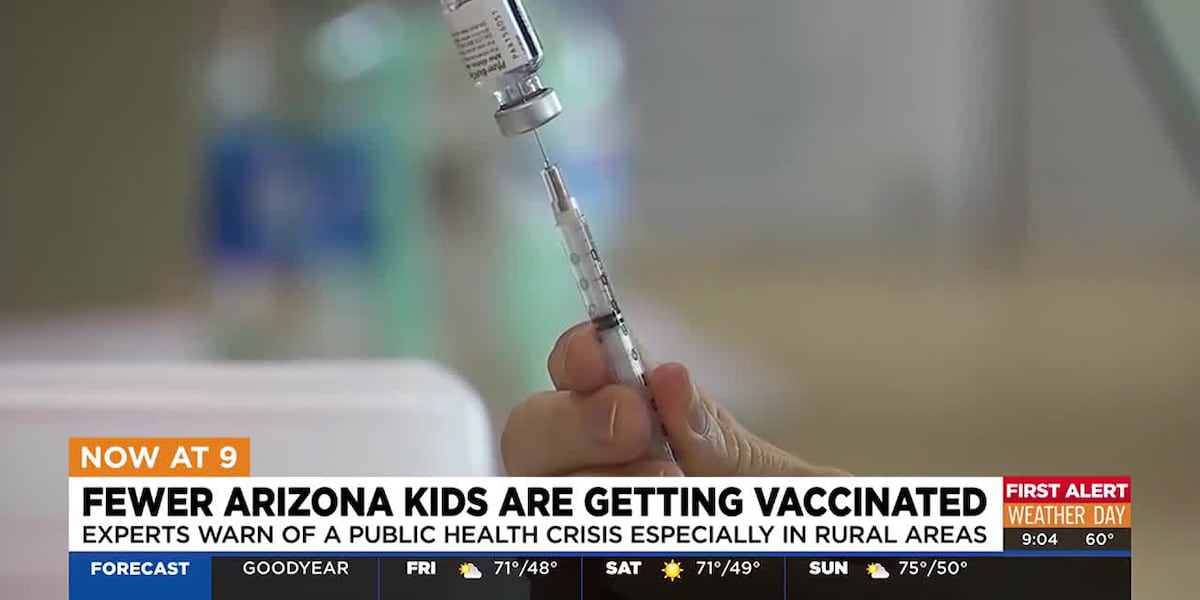
Arizona, like many states across the nation, has witnessed a concerning decline in childhood vaccination rates in recent years. While there are various contributing factors to this trend, the proliferation of misinformation surrounding vaccines has emerged as a significant concern for public health officials. The ease with which false information spreads through social media and online platforms has created an environment where parents may be hesitant or outright refuse to vaccinate their children due to unfounded fears and conspiracy theories. This decline poses a serious threat to community immunity, also known as herd immunity, which protects vulnerable populations who cannot be vaccinated for medical reasons.
Historically, Arizona maintained relatively high vaccination rates, contributing to the suppression of preventable diseases like measles and whooping cough. However, recent data from the Arizona Department of Health Services reveals a worrisome dip in vaccination coverage for several key childhood vaccines. This decline mirrors national trends, raising alarms amongst healthcare professionals who fear a resurgence of vaccine-preventable illnesses. The spread of misinformation online, often presented in emotionally charged narratives and anecdotal evidence, can easily sway hesitant parents who may be overwhelmed by the sheer volume of information available. This phenomenon is further compounded by the echo chambers of social media, where like-minded individuals reinforce each other’s beliefs, amplifying the impact of false narratives and creating a sense of validation for unsubstantiated claims.
The consequences of declining vaccination rates are far-reaching and potentially devastating. A drop in community immunity creates an environment where preventable diseases can easily spread, not only affecting unvaccinated children but also vulnerable individuals such as infants too young to be vaccinated and individuals with compromised immune systems. Outbreaks of measles, a highly contagious disease that was once considered eliminated in the United States, have been reported in recent years, largely attributed to pockets of low vaccination rates fueled by misinformation. These outbreaks highlight the critical importance of maintaining high vaccination coverage to protect the health of the entire community and underscore the real-world impact of online misinformation campaigns.
Public health officials and healthcare providers are working diligently to combat the spread of misinformation and encourage vaccination. They emphasize the safety and efficacy of vaccines, backed by decades of scientific research and rigorous testing. Educational campaigns are being implemented to provide parents with accurate information and address their concerns about vaccines, fostering a culture of informed decision-making. Collaborations with community leaders and trusted figures are also crucial in reaching hesitant parents and disseminating accurate information through channels they trust and respect. However, these efforts are often met with resistance from entrenched anti-vaccine sentiments fueled by the constant barrage of misinformation available online.
The role of social media platforms in the spread of misinformation is a complex issue. While these platforms provide valuable avenues for communication and information sharing, they also serve as fertile ground for the rapid dissemination of false and misleading content. Efforts by social media companies to flag and remove inaccurate information are ongoing, but the sheer volume of content makes it a constant challenge. The algorithms that drive social media can also inadvertently contribute to the problem by creating echo chambers where users are primarily exposed to information that confirms their existing beliefs, regardless of its accuracy. Finding a balance between freedom of speech and the need to protect public health remains a significant challenge in the digital age.
Addressing the issue of declining vaccination rates requires a multi-faceted approach that involves not only educating the public about the importance of vaccines but also developing strategies to combat the spread of misinformation. Critical thinking skills and media literacy are essential tools for navigating the overwhelming amount of information available online. Parents are encouraged to consult with their healthcare providers to discuss their concerns and make informed decisions based on scientific evidence, rather than relying on unreliable sources. Collaborative efforts between healthcare professionals, public health agencies, educators, and social media platforms are crucial to effectively combat the spread of misinformation and ensure that communities are protected from preventable diseases. The future of public health hinges on addressing the root causes of vaccine hesitancy and rebuilding trust in the safety and efficacy of vaccines.