


Close Menu
DISADISA
  • Home
  • News
  • Social Media
  • Disinformation
  • Fake Information
  • Social Media Impact
Trending Now

Intelligence Documents Describe Senior Republican Leaders as Conduits for Russian Disinformation

August 14, 2026

Mizoram BJP Accuses Church Leaders of Disseminating Misinformation Regarding the FCRA Bill

August 14, 2026

Russia Exploits the Ukraine-Poland Dispute for Strategic Gain

August 14, 2026
Facebook X (Twitter) Instagram
Facebook X (Twitter) Instagram YouTube
DISADISA
Newsletter
  • Home
  • News
  • Social Media
  • Disinformation
  • Fake Information
  • Social Media Impact
DISADISA
Home»Social Media»Meta’s Decision to Terminate US Fact-Checking Condemned by Disinformation Experts
Social Media

Meta’s Decision to Terminate US Fact-Checking Condemned by Disinformation Experts

Press RoomBy Press RoomJanuary 8, 2025No Comments
Facebook Twitter Pinterest LinkedIn Tumblr Email

Meta’s Fact-Checking U-Turn Sparks Disinformation Fears and Accusations of Political Motivation

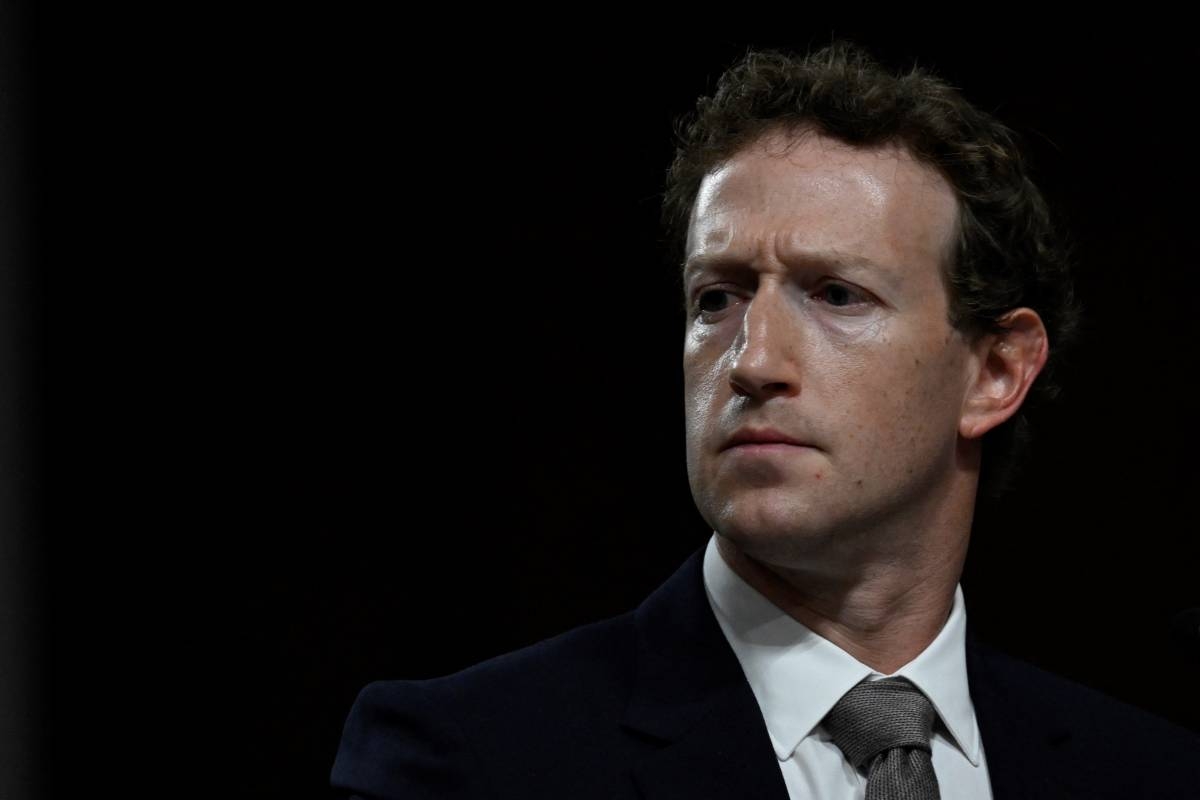
Meta, the parent company of Facebook and Instagram, has ignited a firestorm of controversy with its abrupt decision to terminate its US fact-checking program. Critics, including disinformation researchers and fact-checking organizations, warn that this move could unleash a torrent of misinformation and harmful content, especially in the lead-up to the 2024 US presidential election. The timing of the announcement, shortly after Donald Trump’s election victory, has fueled speculation that the decision was politically motivated, aimed at appeasing the incoming administration and its supporters. Meta, however, maintains that the shift is part of a broader strategy to empower user communities in content moderation.

The decision marks a significant departure from Meta’s previous efforts to combat misinformation on its platforms. For years, the company has partnered with third-party fact-checking organizations to review and flag potentially false or misleading content. These fact-checkers, often affiliated with news organizations, applied journalistic standards to assess the accuracy of information shared on Facebook and Instagram. Content identified as false was often demoted in users’ feeds, reducing its visibility and reach. Meta’s financial support was also a crucial revenue stream for many of these organizations, raising concerns about the future of independent fact-checking initiatives.

Experts warn that the removal of this crucial safeguard leaves a gaping hole in the fight against online disinformation. Ross Burley, co-founder of the Centre for Information Resilience, characterized the move as a "major step back for content moderation" at a time when disinformation tactics are rapidly evolving. The concern is that the absence of professional fact-checking will create a fertile ground for the spread of false narratives, conspiracy theories, and manipulative content, potentially influencing public opinion and even inciting real-world harm.

Meta’s proposed alternative to professional fact-checking, Community Notes, has been met with widespread skepticism. This crowd-sourced feature, similar to one employed on X (formerly Twitter), allows users to add context to posts. However, critics argue that relying on volunteer moderators, without the training or resources of professional fact-checkers, is an inadequate and potentially dangerous approach. Concerns range from the potential for partisan bias and manipulation to the sheer scale of content requiring moderation on Meta’s vast platforms. Experts fear that Community Notes will be easily overwhelmed and ultimately ineffective in stemming the tide of misinformation.

The political implications of Meta’s decision are also under intense scrutiny. Critics point to Trump’s long-standing animosity towards fact-checking, viewing it as censorship and a threat to free speech. Some see Meta’s move as a direct response to pressure from the incoming administration and its allies. Conservative figures have celebrated the announcement, claiming it as a victory against what they perceive as biased fact-checking practices targeting right-leaning content. This reinforces concerns that Meta is prioritizing political expediency over the integrity of information on its platforms.

The controversy highlights the ongoing tension between free speech and the need to combat harmful misinformation. While protecting free expression is paramount, experts argue that it should not come at the expense of platform responsibility. The removal of professional fact-checking, without a robust alternative, risks creating a breeding ground for false narratives and manipulating public discourse. Many see Meta’s decision as an abdication of its responsibility to protect its users and society at large from the detrimental effects of disinformation. The future of fact-checking on social media platforms and its impact on the information ecosystem remain uncertain, but the stakes are undeniably high.

Share. Facebook Twitter Pinterest LinkedIn WhatsApp Reddit Tumblr Email

Read More

Russia Exploits the Ukraine-Poland Dispute for Strategic Gain

August 14, 2026

Russian Disinformation Exacerbates Ukrainian-Polish Tensions

August 14, 2026

The Proliferation of Disinformation: Russian Media Outlets and the Mechanics of Modern Propaganda

August 14, 2026
Add A Comment
Leave A Reply Cancel Reply

Our Picks

Mizoram BJP Accuses Church Leaders of Disseminating Misinformation Regarding the FCRA Bill

August 14, 2026

Russia Exploits the Ukraine-Poland Dispute for Strategic Gain

August 14, 2026

Misinformation and False Allegations Target Candidates in France’s 2027 Presidential Election

August 14, 2026

Russia Exploits Poland-Ukraine Dispute to Heighten Disinformation Campaign, Officials and Experts Report.

August 14, 2026
Stay In Touch
  • Facebook
  • Twitter
  • Pinterest
  • Instagram
  • YouTube
  • Vimeo

Don't Miss

News

The Proliferation of Misinformation: Lessons from the Kumamoto Earthquake

By Press RoomAugust 14, 20260

Paragraph 1: The Kumamoto Earthquake and the Digital Battlefield In August 2026, the prefecture of…

Here is a formal title rewrite:

California Lawmakers Move to Regulate AI-Generated Content in Political Campaigns

August 14, 2026

Cebu Health Officials Combat Misinformation About the Measles Vaccine

August 14, 2026

  1. Analyze the Request:

    • Original title: “Russia Intensifies Polish-Language Disinformation Amid Poland-Ukraine Historical Dispute | Ukraine news”
    • Target: Rewrite to 1 title in English.
    • Tone: Formal.
    • Focus: Keep the core elements (Russia, disinformation, Polish-language, Poland-Ukraine dispute, context of Ukraine news).
  2. Deconstruct the Original:

    • Subject: Russia
    • Action: Intensifies disinformation (specifically in Polish language)
    • Context: Amid Poland-Ukraine historical dispute
    • Source attribution: Ukraine news (can be omitted or integrated, but usually it’s just a tag, so I can drop it or keep it as “in the context of Ukraine” but better to just make the title standalone).
  3. Brainstorm Formal Options:

    • Option 1: Russia Escalates Polish-Language Disinformation Amid Polish-Ukrainian Historical Tensions.
    • Option 2: Moscow Heightens Disinformation Campaign in Polish Amid Polish-Ukrainian Historical Dispute.
    • Option 3: Russia Amplifies Polish-Language Propaganda During Polish-Ukrainian Historical Disagreements.
    • Option 4: Russia Intensifies Targeted Disinformation in Polish Amidst Polish-Ukrainian Historical Clashes.
    • Option 5: Russian Disinformation in Polish Intensifies Against Backdrop of Polish-Ukrainian Historical Dispute.
  4. Select the Best One (Formal, concise, accurate):

    • Option 2 is very formal and precise (“Moscow” for Russia, “Heightens” for intensifies, “Disinformation Campaign”).
    • Option 1 is solid but “Tensions” might dilute the “dispute” a bit.
    • Option 5 is good but passive.
  5. Refine Option 2: “Moscow Heightens Disinformation Campaign in Polish Amid Polish-Ukrainian Historical Dispute” – This is formal, clear, and drops the redundant “Ukraine news” tag (as that is just site categorization).

    • Let’s check if I should keep “Ukraine news”. The prompt says “rewrite this title to 1 title in English in formal tone”. It doesn’t explicitly say to remove the tag, but a title generally doesn’t include the source tag. I can omit it or replace it with a more substantive phrase. I’ll omit it as it’s a tag, but I can add “in the context of the Ukraine conflict” if needed. Actually, the context is already clear from “Poland-Ukraine”. Let’s just make a clean headline.
    • Better alternative: “Russia Intensifies Polish-Language Disinformation Amid Polish-Ukrainian Historical Dispute”. That’s almost verbatim. Need to make it more formal/varied.
    • Let’s use: “Russia Escalates Polish-Language Disinformation Amidst Polish-Ukrainian Historical Discord.”
    • Let’s use: “Moscow Intensifies Polish-Language Disinformation Amid Polish-Ukrainian Historical Friction.”
    • Let’s use: “Russian Disinformation in Polish Intensifies During Polish-Ukrainian Historical Dispute.”
    • Let’s pick: “Moscow Heightens Polish-Language Disinformation Amid Polish-Ukrainian Historical Dispute.” – formal, active voice.
  6. Final check: Formal tone (no slang, no contractions). Accurate to the source. One title only. No extra text.Moscow Heightens Polish-Language Disinformation Amid Polish-Ukrainian Historical Dispute

August 14, 2026
DISA
Facebook X (Twitter) Instagram Pinterest
  • Home
  • Privacy Policy
  • Terms of use
  • Contact
© 2026 DISA. All Rights Reserved.

Type above and press Enter to search. Press Esc to cancel.