



Paragraph 1: The Silent Return of a Forgotten Plague
In the late autumn of 2025, the Pennsylvania Department of Health received a call that would shatter decades of public health complacency. Two individuals—a six-year-old unvaccinated boy from a rural county in the central part of the state, and a 47-year-old immunocompromised woman from the Philadelphia suburbs—had succumbed to measles within a week of each other. The boy, whose parents had claimed a religious exemption, died of acute viral pneumonia after a ten-day battle with a fever exceeding 105 degrees. The woman, a cancer survivor with a compromised immune system who had contracted the virus while visiting a crowded indoor shopping mall, suffered from measles encephalitis, which led to irreversible brain swelling and eventual vegetative state. These were the first measles-related fatalities recorded in the United States since 2015, ending a decade-long streak of successful containment. The outbreak began innocuously, traced to a single international traveler who, arriving from a European nation experiencing its own vaccine hesitancy crisis, attended a weekend-long fitness expo in a poorly ventilated convention center in Pittsburgh. Within days, the highly contagious virus—which can linger in the air for up to two hours after an infected person leaves a room—had jumped to dozens of individuals, many of whom were unvaccinated children under the age of five. The medical community was immediately gripped by a profound sense of dread. Measles, a disease once eradicated from the United States in 2000, had returned with a lethal vengeance, not as a biological accident, but as a direct consequence of a societal choice.
Paragraph 2: The Desperate Scramble of Overwhelmed Health Officials
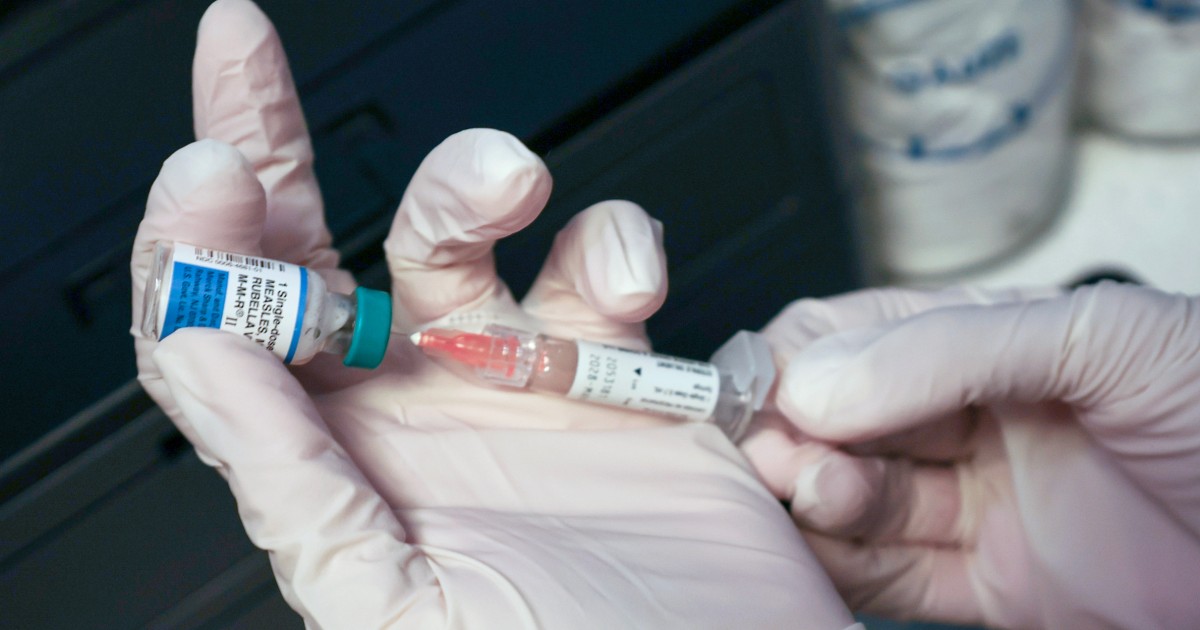
In the immediate aftermath of the deaths, the Pennsylvania public health infrastructure was thrust into crisis mode. Contact tracers, a workforce that had been largely disbanded after the COVID-19 pandemic, were hastily reconstituted and deployed across the state. Their task was monumental: identify every single person who had crossed paths with the deceased individuals in the 14 days prior to their symptoms. This meant combing through pharmacy logs, school attendance records, restaurant credit card receipts, and pediatrician appointment schedules. Emergency vaccination clinics were established in public libraries, community centers, and high school gymnasiums across the affected counties. In some urban areas, lines stretched for blocks, with desperate parents clutching terrified toddlers, seeking the MMR (measles, mumps, rubella) vaccine. However, these clinics were ironically the epicenter of a new confrontation. Health officials reported that for every child vaccinated, roughly two others were pulled away by angry parents after encountering anti-vaccine protesters who had organized at the clinic entrances, handing out pamphlets that falsely claimed the vaccine contained “fetal tissue toxins” and “microchips used for government tracking.” The state’s immunization registry revealed a stark and troubling reality: vaccination rates in several rural central Pennsylvania counties had plummeted to below 70%, far below the 95% threshold required for herd immunity. Dr. Emily Carter, the state epidemiologist, described the scene as an “apocalyptic logistical nightmare,” noting that they were not just fighting a virus, but a deeply entrenched cultural phenomenon. The shortage of immunoglobulin treatments, used to protect immunocompromised individuals who cannot receive the live vaccine, further strained resources, forcing doctors to make heart-wrenching triage decisions about which vulnerable patients would receive the limited supply.
Paragraph 3: The Viral Tsunami of Misinformation and Pseudoscience
While public health officials worked in the physical realm, a parallel war was being waged in the digital sphere. The Pennsylvania deaths ignited a firestorm of misinformation that transcended state lines, leveraging the algorithms of social media platforms to reach millions of Americans within hours of the news breaking. TikTok, X (formerly Twitter), and Facebook became breeding grounds for conspiratorial content specifically tailored to this tragedy. A prominent anti-vaccine influencer, amassing a following of two million, posted a video that garnered 400,000 likes, falsely claiming that the young boy who died had actually been “killed by the emergency room doctors who administered a lethal dose of acetaminophen,” and that the measles diagnosis was a “bait-and-switch” to force vaccination mandates. Meanwhile, private Telegram channels dedicated to “medical freedom” circulated detailed—but scientifically fabricated—protocols for treating measles using high-dose vitamin A, nebulized hydrogen peroxide, and even raw goat milk, claiming these remedies were suppressed by “Big Pharma.” The debunked 1998 Wakefield study linking the MMR vaccine to autism, a myth thoroughly refuted by dozens of large-scale studies, experienced a massive revival in searches, often presented as a “retraction whistleblower.” Perhaps most damagingly, a faction of “crunchy” parenting influencers—known for organic food and holistic living—spread the message that measles was a “natural childhood rite of passage” that strengthens the immune system for life, highlighting the fact that most children survive the disease, conveniently omitting the grim statistic that one in five who contract measles require hospitalization, and one in 1,000 die. This mishmash of fear-mongering, survivor bias, and alternative medicine created a perfect storm of confusion, eroding trust in the CDC and state health departments.
Paragraph 4: The Political Firestorm and Legislative War
The tragic deaths in Pennsylvania quickly became a weapon in the ongoing culture war that defines contemporary American politics. Within days of the fatalities, state legislators in Pennsylvania introduced House Bill 478, paradoxically titled the “Medical Freedom and Informed Consent Act,” which sought to outright ban public schools from requiring the MMR vaccine for enrollment, effectively eliminating all vaccine mandates for children. The bill, sponsored by a freshman legislator who had received significant campaign contributions from a national anti-vaccine super PAC, was framed as a defense of parental rights against “government overreach.” On the national stage, the confirmation hearings for the newly nominated Secretary of Health and Human Services—a known vaccine skeptic who had previously claimed that vaccines are linked to autism—became the forum for these debates. Testimony regarding the Pennsylvania deaths was met with heated arguments, with some senators accusing the nominee of “encouraging a plague,” while the nominee deflected, arguing that the “deaths were tragic, but that we must not trade liberty for safety.” Town hall meetings across Pennsylvania erupted into shouting matches, with public health officials being harassed, mocked, and even receiving graphic death threats—forcing several local health directors to hire private security details for their families. Political polling in the state showed a sharp partisan divide: 85% of Democratic voters expressed support for mandatory vaccination, while 78% of Republican voters opposed it. This political schism effectively neutralized any unified legislative response. Federal funding for a targeted public health education campaign in Pennsylvania was ultimately blocked by a partisan fight in Congress, where one side insisted the funds include language condemning “anti-science extremism” and the other demanded it include caveats about “vaccine safety.” The response to a deadly epidemic was gridlocked, remaining subservient to the election cycle.
Paragraph 5: The Human Toll in the Trenches of a Divided Community
Amidst the political shouting and viral misinformation, the raw, unfiltered human tragedy unfolded in the hospital wards and living rooms of Pennsylvania. The mother of the six-year-old victim, in a tearful interview, described the final days of her son’s life, detailing how she had trusted a local “holistic health coach” who told her to delay the vaccine until age seven to avoid “overloading his immune system.” She recounted sitting by his bedside as he gasped for air, watching a doctor desperately try to intubate him, and the crushing silence when they declared the time of death. In contrast, the parents of a four-year-old survivor, who suffered severe measles-related encephalitis and now faces a lifetime of neurological disabilities, were vocal in their anger, calling for criminal charges against the anti-vaccine influencers who had poisoned their community. The hospital staff reported unprecedented levels of moral distress; nurses who had trained to save lives found themselves comforting intubated children while being attacked on social media by neighbors for “pushing dangerous chemicals.” A local pastor attempted to mediate between the grieving families, but even the church community split down the middle, with one faction organizing a prayer rally to “heal the land” and another holding a vaccination drive on the church steps, physically blocking the pastor from entering. The economic impact was also devastating: the small towns at the center of the outbreak saw a drastic reduction in tourism, with local businesses reporting a 60% drop in revenue as people avoided “plague towns.” Pediatricians in the area reported a wave of panic, with parents either scrambling to get vaccinated or doubling down on their refusal, leading to violent arguments in waiting rooms. It was a microcosm of a nation unable to agree on basic facts, where neighbors who once carpooled to soccer practice now crossed the street to avoid each other, viewing one another as either dangerous carriers of a lethal pathogen or as dangerous agents of government tyranny.
Paragraph 6: The Grim National Reckoning and a Bleak Prognosis
The Pennsylvania measles fatalities served as a glaring bellwether for a public health crisis that has been building for years. By the time the outbreak was finally contained in Pennsylvania, 34 states reported active measles cases, with the national total surpassing 1,800 infections—a staggering figure not seen since the early 1990s. Emergency room visits for measles-like rashes and fevers overwhelmed hospitals in states with historically high vaccination rates, such as California and New York, which had been forced to re-implement emergency vaccine clinics to counter outbreaks imported from poorly vaccinated enclaves. Public health experts warn that measles, which resets the immune system’s memory cells to previous infections (immune amnesia), acts as a “canary in the coal mine,” predating a resurgence of other previously eradicated diseases, including rubella, mumps, and potentially polio. The tragic reality of these deaths is that they were entirely preventable; the MMR vaccine has a 97% efficacy rate and carries a minuscule risk of severe adverse effects. Yet, in a society where misinformation spreads faster than a virus and where political affiliation dictates scientific belief, the foundational tenets of herd immunity have crumbled. Health officials in Pennsylvania concluded that while they managed to end the acute outbreak, they have not cured the underlying disease: a profound distrust in government, science, and medicine. As a leading epidemiologist noted, “We know how to stop measles with a needle, but we haven’t found a way to stop lies with a simple injection. The next outbreak may not be in a convention center, but in a chat room, and it may be far more difficult to quarantine.” The nation now sits at a crossroads, facing the stark choice between embracing evidence-based medicine or descending further into the dark ages where a simple, preventable fever becomes a death sentence, transforming the miracle of modern medicine into a historical footnote of a civilization that chose to believe in fiction.