


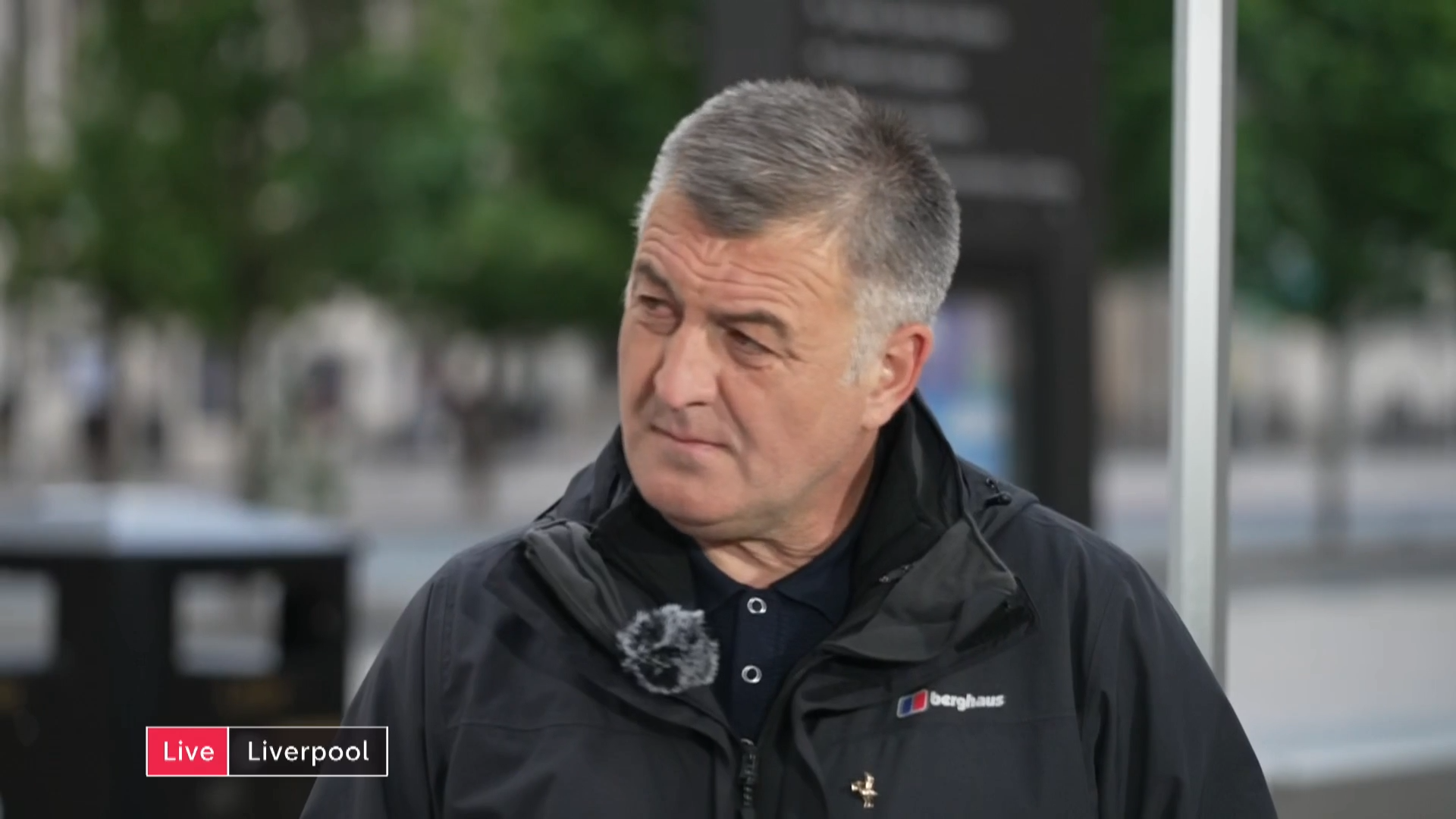
"Appalling" Misinformation After Parade Crash, Says Liverpool MP
Liverpool Wavertree MP Paula Barker has condemned the spread of "appalling" misinformation following a devastating crash at a Christmas parade in her constituency. The incident, which occurred on Saturday evening, claimed the life of an 83-year-old woman and left several others injured when a Land Rover mounted the pavement and collided with spectators. In the immediate aftermath, inaccurate and often malicious rumours rapidly circulated online, fueled by social media and amplified by certain news outlets. These ranged from false claims about the driver’s identity and motives to fabricated stories about the victims and the extent of the injuries. Barker, visibly shaken by both the tragedy and the subsequent wave of disinformation, called for greater responsibility from online platforms and urged the public to rely on verified sources for information. She emphasized the added distress these false narratives cause to the victims’ families and the wider community, already grappling with the shock and grief of the incident.
The rapid dissemination of false information following tragedies like this is a growing concern. In an age where information spreads instantaneously across the globe, inaccurate reports can take hold and become deeply entrenched before official channels can provide verified details. This phenomenon, often exacerbated by algorithms that prioritize engagement over accuracy, can lead to significant real-world consequences, hindering emergency response efforts, inciting panic, and eroding public trust. In this particular instance, false narratives surrounding the driver’s motives and the circumstances leading up to the crash quickly gained traction. Some theories suggested a deliberate act of terrorism, while others pointed to reckless driving fueled by alcohol or road rage. The rapid proliferation of these unfounded claims not only added to the already intense emotional burden on the community but also complicated the police investigation, forcing authorities to divert resources to debunking false leads and managing the spread of misinformation.
Barker’s condemnation underscores a broader societal challenge in navigating the complex information landscape of the digital era. The ease with which misinformation can be created and shared, combined with the increasing fragmentation of the media landscape, makes it challenging for the public to distinguish between credible and unreliable sources. The erosion of trust in traditional media institutions coupled with the rise of partisan news outlets and social media echo chambers further exacerbates this problem. The incident in Liverpool highlights the need for a multi-pronged approach to combatting misinformation. This includes promoting media literacy, empowering individuals to critically evaluate information sources, and holding social media platforms accountable for the content they host.
Beyond the immediate aftermath of the tragedy, the spread of misinformation can have long-term consequences. False narratives can become ingrained in public memory, shaping perceptions of events and potentially influencing future policy decisions. In this case, the rapid spread of false information about the driver’s motives could prejudice public opinion, making a fair trial more difficult and potentially leading to misdirected anger and blame. Furthermore, the proliferation of conspiracy theories can erode trust in authorities and undermine confidence in the justice system. The challenge lies in balancing the right to freedom of expression with the need to protect individuals and communities from the harmful effects of misinformation.
Moving forward, it is crucial to focus on fostering a more responsible information ecosystem. This requires a collaborative effort involving government, technology companies, media organizations, educational institutions, and individuals themselves. Governments can play a role in promoting media literacy education and supporting independent fact-checking organizations. Technology companies must take greater responsibility for the content hosted on their platforms, implementing robust mechanisms to identify and remove harmful misinformation. Media organizations have a crucial role to play in upholding journalistic standards and prioritizing accuracy over speed. Educational institutions can equip individuals with the critical thinking skills necessary to navigate the complex information landscape. Ultimately, combating misinformation requires a collective commitment to truth and accuracy.
The tragedy in Liverpool serves as a stark reminder of the devastating consequences of unchecked misinformation. While the immediate focus must be on supporting the victims and their families, the incident also highlights the urgent need to address the broader societal challenge posed by the rapid spread of false information. This requires a multi-faceted approach involving all stakeholders, working together to foster a more responsible and informed public discourse. Only through such collaborative efforts can we hope to mitigate the harmful effects of misinformation and build a more resilient and informed society. The incident serves as a wake-up call, urging us to confront the growing threat of misinformation and prioritize truth and accuracy in our shared information landscape.