


Government and Opposition Clash Over 2025 Budget Amidst Accusations of Misinformation and National Security Concerns
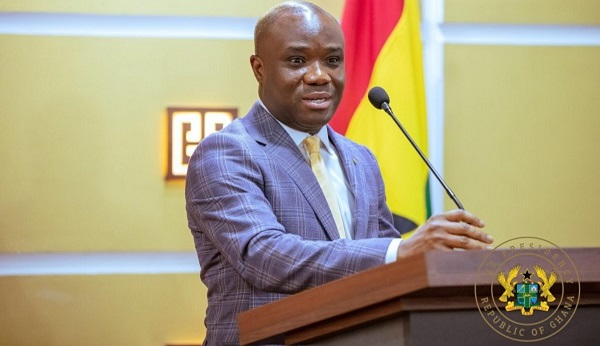
Accusations of misinformation and heated debates dominated the parliamentary proceedings on Wednesday as the government and opposition locked horns over the recently presented 2025 budget. Felix Kwakye Ofosu, Minister of State in charge of Government Communications, launched a scathing attack on the Minority, accusing them of deliberately distorting facts and waging a campaign of misinformation to discredit the government’s fiscal plan. He argued that the opposition’s criticisms were rooted in their own past mismanagement of the economy, which the Finance Minister had meticulously documented. Ofosu specifically pointed to the Minority’s claims about budget allocations for the Office of the President and the Office of Government Machinery, labeling them untrue and misleading attempts to demonize the budget.
The allocation of over GH¢70 million to Government Communications emerged as a central point of contention. The Minority vehemently criticized this figure, questioning its justification and raising concerns about potential misuse of funds. Ofosu defended the allocation, arguing that it was necessary to effectively communicate government policies and initiatives to the public. He countered the Minority’s criticisms, emphasizing the importance of transparent and accessible government communication, particularly during a period of economic challenges and national security concerns. The clash over this allocation underscores the broader ideological battle between the two sides, with the opposition advocating for fiscal prudence and stricter controls on government spending, while the ruling party emphasizes the need for strategic investment in key sectors.
Beyond the budgetary specifics, the debate spiraled into a broader discussion of national security. Ofosu accused the opposition of exacerbating some of the country’s security challenges, citing increasing armed robbery rates and the devastating impact of illegal mining, commonly known as "galamsey." He pointed to the previous administration’s record on security, claiming that they had left the country as the most peaceful in Africa, a status now threatened by rising crime and environmental degradation. Ofosu’s remarks framed the budget debate within a larger narrative of national stability and security, suggesting that the opposition’s actions were undermining the government’s efforts to address these critical issues.
Ofosu’s stern warning that the opposition’s approach could lead to "bigger problems" further intensified the already charged atmosphere. He implied that the Minority’s persistent criticism and questioning of the budget were not simply political maneuvers but potentially destabilizing actions that could have far-reaching consequences. This warning, delivered with a sense of urgency, reflects the government’s concern over the escalating political tensions and the potential for these tensions to spill over into the wider society, further complicating the already complex challenges facing the nation. The stark warning signaled a hardening of the government’s position, indicating a willingness to push back forcefully against what it perceives as deliberate attempts to obstruct its agenda.
The budget debate continues to unfold against a backdrop of significant economic challenges and growing anxieties about national security. The Minority remains steadfast in its concerns about government spending, demanding greater transparency and accountability. They continue to scrutinize the budget allocations, particularly those directed towards the executive branch, arguing that the government’s priorities are misplaced and that resources should be redirected towards more pressing social and economic needs. Their persistent questioning of the budget reflects a broader distrust of the government’s economic policies and a deep-seated concern about the potential for corruption and mismanagement.
The Majority, meanwhile, defends its economic policies, arguing that they are essential for long-term growth and development. They emphasize the need for strategic investments in key sectors, such as infrastructure and education, and maintain that the budget is carefully crafted to address the country’s most pressing challenges. The government’s unwavering defense of its fiscal plan underscores its commitment to its stated policy objectives and its determination to see them through despite opposition criticism. The ongoing budget debate represents a critical juncture in the country’s political landscape, with the outcome likely to have significant implications for the future direction of the nation’s economic and security policies. The clash of perspectives and the heated exchanges underscore the deep divisions within the political sphere and the challenges the government faces in building consensus around its vision for the future.