


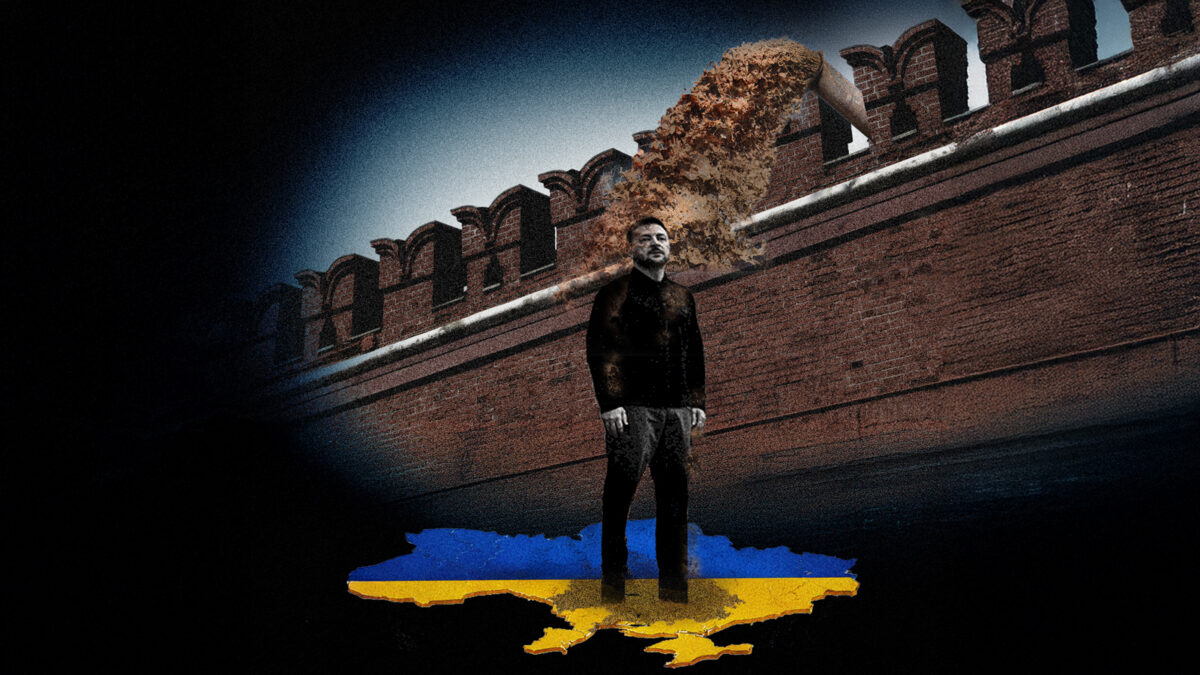
Kremlin’s Disinformation War Against Ukraine: Undermining Statehood and Sowing Discord
The ongoing conflict between Russia and Ukraine extends far beyond the battlefield, encompassing a relentless disinformation campaign orchestrated by the Kremlin. This multifaceted strategy aims to undermine Ukrainian statehood, discredit its government, fracture internal unity, and erode international support. By propagating a range of misleading narratives, from outright fabrications to distorted truths, the Kremlin seeks to manipulate public perception and justify its aggression. This article dissects four key myths perpetuated by Russian propaganda, exposing their fallacies and highlighting the Kremlin’s broader disinformation playbook.
Myth 1: The Illegitimate Government and the Usurper President
Central to the Kremlin’s narrative is the portrayal of Ukrainian President Volodymyr Zelenskyy as an illegitimate leader who seized power undemocratically. Russian state-controlled media outlets bombard audiences with claims that Zelenskyy declared himself a dictator, usurping power and flouting democratic norms. This narrative conveniently ignores the constitutional impossibility of holding elections during wartime, the widespread destruction of electoral infrastructure, and the displacement of millions of Ukrainian citizens. By fixating on Zelenskyy’s supposed illegitimacy, the Kremlin deflects responsibility for the war onto Ukraine, falsely claiming that Kyiv refuses peace negotiations solely to preserve Zelenskyy’s grip on power. This manipulative tactic shifts blame and obscures the true aggressor.
Myth 2: Ukraine, the Puppet of the West
Following the Euromaidan protests of 2013-2014 and Ukraine’s renewed commitment to Euro-Atlantic integration, the Kremlin launched a systematic campaign to deny Ukraine’s existence as an independent state. Despite repeated debunking, the Kremlin continues to push the narrative of a "Western colour revolution," depicting Ukraine as a mere pawn in the hands of Western puppeteers. This rhetoric alternates between portraying Ukraine as a helpless puppet and a bargaining chip, controlled by the "bloodthirsty NATO." This false dichotomy serves to create a distorted image of Russia as a defender against global evil embodied by an aggressive NATO, subtly justifying Russia’s military intervention.
Myth 3: The Nazi Menace and the Yearning for Liberation
Exploiting the historical resonance of World War II and the fight against Nazism, the Kremlin has crafted a narrative of a Nazi resurgence in Ukraine. This cynical manipulation ignores Ukraine’s immense suffering during World War II and its significant contributions to the victory over Nazi Germany. Despite the election of a president of Jewish heritage and the legal prohibition of Nazi symbols and ideology in Ukraine, the Kremlin persists in labeling anyone defending Ukraine against Russian invasion as a "Nazi." This fabricated Nazi threat serves as a pretext for mobilizing domestic support for the protracted war, fueling nationalist sentiment and justifying continued aggression. More recently, the Kremlin has expanded its demonization tactics, branding the Ukrainian government and its military leadership as "terrorists."
Myth 4: Rampant Corruption and Misappropriated Aid
To further undermine trust in the Ukrainian government and erode international support, the Kremlin propagates a narrative of widespread corruption within Ukraine, particularly focusing on the alleged misappropriation of foreign aid. These claims range from outlandish accusations of Ukrainian generals owning burning mansions in Los Angeles to allegations that Zelenskyy embezzles state funds. This disinformation campaign seeks to discredit the Ukrainian leadership, sow discontent among the populace, and discourage international assistance. However, Ukraine’s allies have repeatedly affirmed their awareness of how aid is utilized, and independent reports, including those from the Pentagon, have refuted allegations of widespread theft. Furthermore, Ukraine’s improving scores on the Corruption Perceptions Index contradict the Kremlin’s depiction of a hopelessly corrupt state. In contrast, Russia’s own ranking on the same index highlights its own deep-seated corruption issues.
Resilience Against Disinformation and Continued European Support
Despite the Kremlin’s persistent disinformation efforts, European public opinion remains largely supportive of Ukraine. Recent Eurobarometer surveys reveal strong backing for humanitarian and financial aid to Ukraine, as well as for economic sanctions against Russia. This demonstrates the resilience of public trust in the face of manipulative narratives. Furthermore, the international community continues to scrutinize and debunk Kremlin-backed disinformation campaigns, striving to maintain an accurate understanding of the conflict.
The Long Game of Disinformation and the Importance of Vigilance
The Kremlin’s disinformation campaign is a protracted and evolving strategy aimed at destabilizing Ukraine and undermining its international relationships. By constantly shifting narratives and resorting to blatant falsehoods, the Kremlin seeks to manipulate public opinion and justify its aggression. It is crucial to remain vigilant against these tactics and to critically evaluate information emanating from Russian state-controlled media. Recognizing the Kremlin’s long-term strategy is essential for countering its manipulative narratives and supporting Ukraine’s sovereignty and democratic future.