







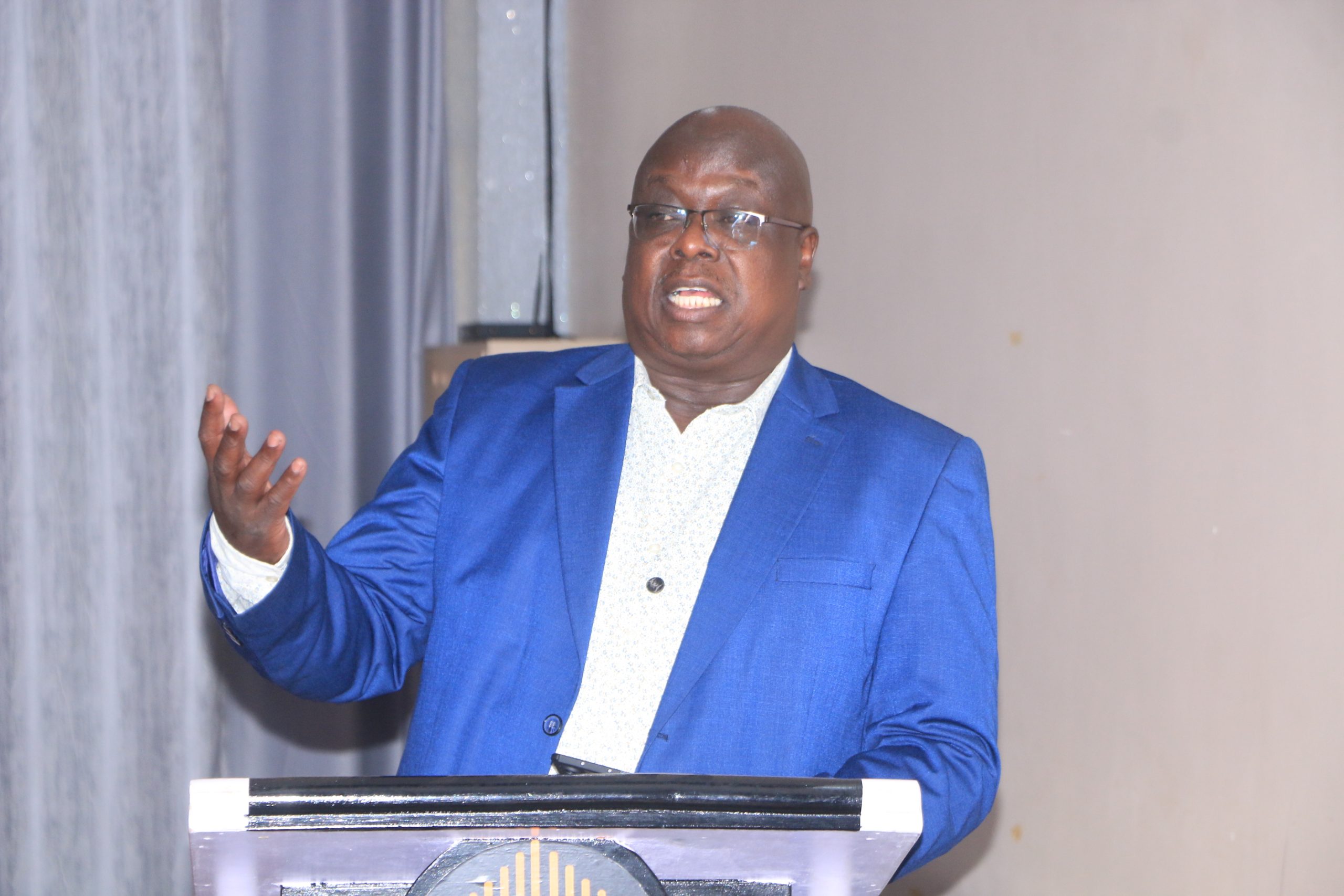
As the nation gears up for a pivotal general election, the Kenyan media landscape finds itself at a critical crossroads, where the proliferation of artificial intelligence (AI) and the rapid spread of digital content pose unprecedented challenges to the integrity of the Fourth Estate. In response, media stakeholders have issued a clarion call for journalists to arm themselves against the rising tide of misinformation, disinformation, and malinformation that threatens to poison the democratic process. This urgent plea was delivered at a specialized training workshop for digital media practitioners held in Ruiru, Kiambu County, organized by the Digital Journalists of Kenya (DJK) association under the theme ‘Using AI to enhance content authenticity and build information credibility in a general election season.’ The event brought together veteran editors, young reporters, and digital content creators who are on the frontlines of covering the political events that will shape the nation’s future. At the heart of the deliberations was a stark warning from the Media Council of Kenya (MCK) Chairman, Maina Muiruri, who emphasized that the battle for truth has never been more complex, as the lines between authentic reportage and sophisticatedly fabricated content continue to blur, requiring a paradigm shift in how news is gathered, processed, and disseminated.
Expanding on his warning, Chairman Muiruri directed the assembled journalists to pivot from being merely passive disseminators of information to becoming savvy evaluators of the technological tools that can aid their craft. He stressed that AI should not be viewed solely as a threat to journalistic integrity but rather as a powerful ally in the fight against falsehoods. The same Generative AI models capable of producing hyper-realistic deepfakes, fabricated audio recordings, and deceptive imagery can also be harnessed to expose these manipulations. Muiruri urged journalists to leverage AI-driven verification platforms to identify manipulated content, analyze vast datasets for patterns of coordinated disinformation, and streamline their fact-checking processes. In the heat of an election season, when the pressure to be first frequently overshadows the need to be right, the ability to quickly authenticate a video’s metadata, scrutinize shadows and reflections in a photo for signs of digital tampering, or cross-reference a politician’s statement against official public records is paramount. The MCK Chairman cautioned that failing to adopt these new technologies would leave media houses dangerously vulnerable to becoming unwitting conduits of propaganda, thereby betraying the public trust they are mandated to uphold. He reminded the audience that public trust is the most valuable currency a media organization possesses, and once eroded by careless reporting or malicious manipulation, it is almost impossible to regain. By integrating AI into their daily workflows, Muiruri argued, journalists can ensure their reports are not only factually accurate but also transparent about their sources, thereby reinforcing the credibility that underpins a healthy and functioning democracy.
Perhaps the most alarming statistic to emerge from the event was the revelation by Chairman Muiruri regarding the current composition of the Kenyan journalism workforce. Citing a comprehensive report prepared by the MCK, he disclosed that a staggering sixty percent of journalists who will be covering the upcoming election will be doing so for the very first time. This staggering figure paints a concerning picture of a profession increasingly reliant on young, relatively inexperienced reporters who may lack the institutional memory and seasoned judgment needed to navigate the treacherous waters of electoral reporting. Muiruri explained that this massive influx of novices, while bringing fresh energy, digital nativity, and a fluid understanding of social media platforms, also brings inherent vulnerabilities. These new journalists are significantly more susceptible to being manipulated by savvy political operatives who employ sophisticated spin doctors, astroturfing campaigns, and troll armies to shape the narrative. They may fail to recognize the subtle cues of a coordinated disinformation campaign, such as the sudden synchronization of multiple fake accounts pushing a single hashtag, or the deliberate splicing of old footage to misrepresent a current event. Moreover, they lack the seasoned intuition required to weigh the credibility of anonymous sources under the intense pressure of a fast-moving news cycle. Consequently, the MCK Chairman stressed that training, mentorship, and constant sensitization are not just beneficial but absolutely essential investments in the future of Kenyan democracy. The workshop in Ruiru was specifically designed to bridge this knowledge gap, equipping these first-timers with the ethical frameworks, legal awareness, and technical skills necessary to produce fair, balanced, and accurate reportage, thereby protecting them from falling into the traps of misinformation that often plague election coverage and ensuring that the nation’s armed forces of journalism are ready to defend the truth.
The theme of resilience and responsibility was further echoed by the Chairman of the Digital Journalists of Kenya (DJK), Andy Kagwa, who took the podium to address the dark side of political discourse in the digital age. Kagwa issued an impassioned plea for the media to act as a bulwark against hate speech and toxic political statements, which have become increasingly prevalent in the online spaces where political conversations now unfold. He noted that the election period is a time of heightened emotions and deep-seated tribal affiliations, and irresponsible reporting can easily inflame ethnic tensions or spread divisive rhetoric that threatens national cohesion. To combat this, Kagwa revealed that the DJK, in collaboration with other key industry stakeholders, is launching comprehensive initiatives specifically designed to strengthen election monitoring and misinformation tracking mechanisms. He emphasized the crucial roles being played by the Media Council of Kenya (MCK), the Kenya Editors Guild (KEG), and the Kenya Union of Journalists (KUJ) in this collective effort. These organizations are pooling their resources to create robust early-warning systems that can identify and flag toxic content before it goes viral, as well as developing standardized protocols for verifying user-generated content that surfaces from political rallies or opposition strongholds. Kagwa explained that these initiatives are not about censoring legitimate political debate, which is the lifeblood of democracy, but rather about ensuring that the digital public sphere remains a space for constructive dialogue rather than hateful incitement. He called upon every media house to adopt strict editorial guidelines that prioritize the public interest, reject the amplification of unverified, inflammatory statements from any political camp, and commit to a policy of immediate and prominent correction when errors are made, as the speed of the digital news cycle leaves no room for the slow-burn corrections of the past.
Adding a pragmatic and forward-looking dimension to the discussions, the DJK Secretary, Christine Muchira, elaborated on the association’s core mission and the specific strategies being deployed to support journalists on the ground. Muchira outlined that the association is unwaveringly focused on training, equipping, and building the capacity of journalists who predominantly operate in the digital forum. She acknowledged that the modern journalist is no longer confined to a traditional newsroom with a desk and a landline; they are often solo operators working as one-man news teams, using a smartphone as their primary reporting tool, capturing video, live-streaming events, and publishing simultaneously.
This dramatic shift requires a unique and expanded set of skills encompassing mobile journalism, data security, digital privacy, and an acute awareness of the legal pitfalls of online publishing, including defamation laws and the protection of journalistic sources. Muchira detailed the forthcoming training modules, which will cover everything from advanced digital storytelling techniques and the ethical use of social media scraping tools to the implementation of secure two-factor authentication and encrypted communication channels to protect sources from state or corporate surveillance. Furthermore, she stressed the critical importance of sensitizing journalists to strictly adhere to the newly updated code of conduct for media practice, which has been revised explicitly to reflect the challenges of the AI era. This new code, she explained, directly addresses the ethical responsibilities concerning the manipulation of images, the use of deepfakes in reporting, the verification of anonymous sources, and the professional obligation of journalists to correct errors promptly and prominently. By instilling a deep understanding of these professional standards, Muchira argued, the DJK aims to foster a generation of journalists who are not only technically proficient but also deeply committed to the ethical imperatives of their profession, ensuring they serve as reliable conduits of verified information for the millions of Kenyans who depend on them heavily during the emotionally charged election season.
As the training sessions in Ruiru drew to a close, a clear consensus had emerged among the participants, facilitators, and senior officials present: the upcoming election represents a critical stress test for the Kenyan media, and the industry is at a pivot point. The convergence of a historic influx of first-time journalists, the disruptive power of generative AI, and the aggressive tactics of political spin doctors has created a perfect storm in which the truth is under unprecedented threat. However, the proactive and collaborative response from the Media Council of Kenya, the Digital Journalists of Kenya, the Kenya Editors Guild, and the Kenya Union of Journalists signals a collective determination to navigate this storm successfully and emerge with integrity intact. By championing the use of AI as a tool for verification and data analysis, implementing robust monitoring systems to curb hate speech and toxic rhetoric, and investing heavily in the professional development of the next generation of reporters, the industry is taking decisive steps to safeguard its credibility and its vital role in society. The warnings issued by Chairman Muiruri, the calls to action from Chairman Kagwa, and the capacity-building promises from Secretary Muchira all converge on a single, unwavering principle: that a free, fair, and credible election cannot exist without a free, responsible, and trustworthy press. As the nation prepares for the polls, the Kenyan media, armed with new skills, updated codes of conduct, and a renewed sense of purpose, stands ready to meet this challenge head-on. The onus now rests on every journalist who attended the workshop—and indeed every journalist in the country—to diligently apply these lessons, to verify before they publish, and to prioritize public interest over political expediency, thereby earning and maintaining the public trust that is the bedrock of their profession and the cornerstone of the nation’s future stability.


