


Covering Chaos: A Symposium on Media, Narrative, and the Fight for Truth
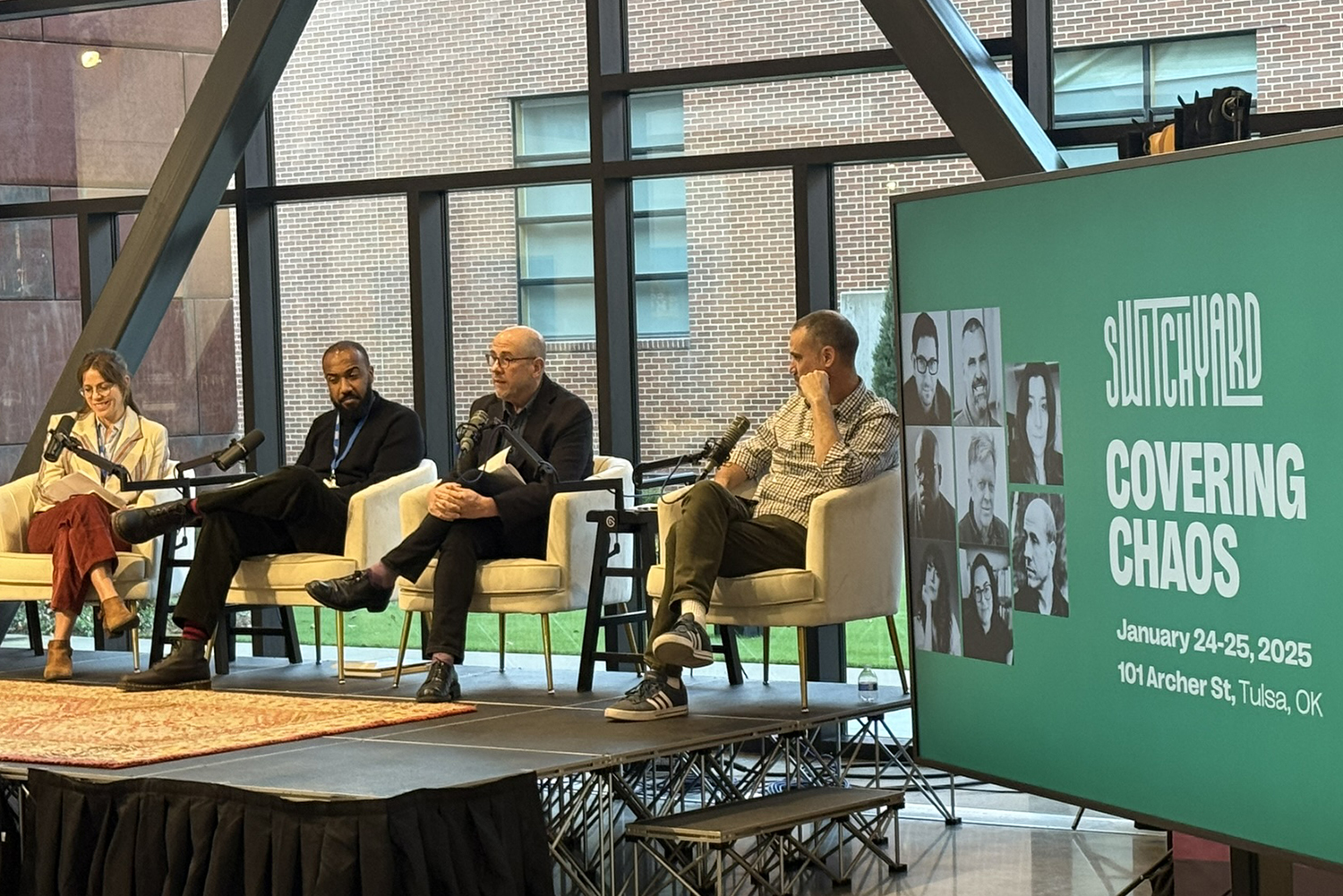
In a world increasingly saturated with information and misinformation, the role of media in shaping public narratives has never been more critical. Against the backdrop of a tumultuous political landscape, a diverse group of journalists, authors, and creatives convened at the University of Tulsa’s Switchyard for a two-day symposium titled "Covering Chaos." The event, held at 101 Archer in the Tulsa Arts District, provided a platform for in-depth discussions on the challenges and responsibilities of media in the face of rising political polarization, the proliferation of disinformation, and the exploitation of fear for political gain. The symposium coincided with the release of the latest edition of the award-winning Switchyard magazine, adding another layer of depth to the exploration of these complex issues.
The opening discussion, featuring Molly O’Toole and Jeff Sharlet, with responses from Mazin Sidahmed and Ted Genoways, set the stage for a weekend of critical engagement with the contemporary media landscape. The symposium tackled a range of pressing topics, including the destructive effects of social media echo chambers, the enduring importance of in-depth reporting, and the insidious use of fear as a political tool. Attendees grappled with the rise of "Trumpism" and its reliance on disinformation, exploring strategies for journalists and writers to act as a bulwark against falsehoods and hold those in power accountable.
The panel on "Echo Chambers: The Destructive Effects of Silos and Misinformation" highlighted the urgent need for truth-seeking in an era of rampant misinformation. Peter Slevin, a writer for The New Yorker, emphasized the vital role of journalists and writers as a "resistance" against the spread of disinformation. He stressed the importance of holding "liars, hypocrites, and grifters" accountable, even amidst their apparent triumphs. Gal Beckerman, an editor at The Atlantic, underscored the importance of adhering to journalistic values, even when faced with potential repercussions. He encouraged doubling down on the commitment to truth, acknowledging the potential difficulties and risks involved.
The discussion on "Merchants of Fear: Stirring Hatred for Political Gain" exposed the cynical manipulation of fear for political ends. Eliza Barclay, editor of climate, energy, and environment coverage for The New York Times opinion section, pointed to the growing trend of directing hatred towards technology and infrastructure, such as wind turbines, electric vehicles, and solar panels. This targeting of essential technologies underscores the insidious nature of fear-mongering and its potential to derail progress on critical societal issues.
C.J. Janovy, author of "No Place Like Home: Lessons in Activism from LGBT Kansas," brought attention to the weaponization of social issues, specifically the targeting of transgender individuals. Janovy highlighted the disproportionate focus on bathroom access, characterizing it as a manufactured controversy used to demonize a vulnerable minority. The discussion exposed the political strategy of exploiting social anxieties to galvanize support and achieve political objectives, even at the expense of marginalized communities.
Siddhartha Deb, journalist and essayist, drew parallels between the rise of Narendra Modi in India and Donald Trump in the United States. He argued that both leaders emerged from a global system that prioritizes violence and wealth over other values. This system, according to Deb, fails to address critical issues like climate change, inequality, and precarity, instead perpetuating a divide between "winners" and "losers." This analysis highlighted the broader context in which these political figures ascended to power, connecting their rise to systemic issues rather than simply attributing it to the actions of "bad guys."
The symposium also featured a lunchtime talk with Sterlin Harjo, an Emmy-nominated filmmaker and UTulsa affiliate faculty member. Harjo’s presence added a unique perspective on storytelling and representation in media. The diverse range of speakers and topics ensured a comprehensive exploration of the multifaceted challenges facing media today. "Covering Chaos" served as a vital platform for fostering dialogue, promoting critical thinking, and inspiring action among media professionals and the wider community. The event underscored the critical role of media in shaping our understanding of the world and emphasized the urgent need for truth-seeking, ethical reporting, and courageous storytelling in the face of chaos and misinformation.