


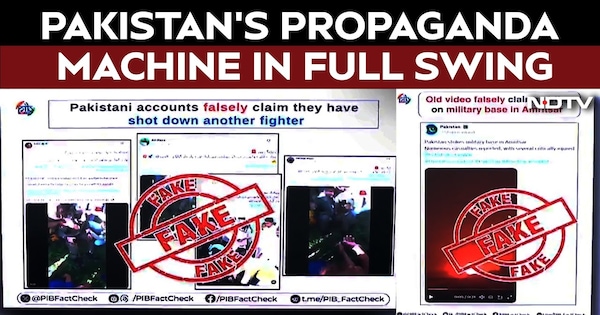
Pakistan Resorts to Disinformation Blitz Following India’s ‘Operation Sindoor’
In the aftermath of India’s decisive military operation, codenamed ‘Operation Sindoor,’ Pakistan has launched a comprehensive disinformation campaign aimed at diverting international attention and manipulating the narrative surrounding the conflict. This propaganda offensive, waged primarily through social media platforms and amplified by prominent political figures, seeks to create a false impression of Pakistani military prowess and retaliatory actions, directly contradicting the reality on the ground. The campaign, characterized by fabricated stories of heroic victories and non-existent counter-strikes, represents a desperate attempt to salvage national pride and deflect from the impact of India’s operation. This digital blitz of misinformation underscores the increasingly significant role of online platforms in shaping public perception during times of conflict, raising serious concerns about the spread of fake news and its potential to escalate tensions.
The Indian military action, described as focused and effective, appears to have prompted a panicked response from Pakistani authorities. Instead of acknowledging the events and addressing the situation through diplomatic channels, Pakistan has chosen to engage in a full-scale information war. This strategy relies on disseminating a deluge of fabricated narratives and manipulated imagery designed to portray a picture of Pakistani strength and resilience. These fabricated narratives, often spread through anonymous social media accounts and amplified by influential pro-government figures, paint a drastically different picture of the conflict, one where Pakistan is depicted as inflicting heavy losses on Indian forces and successfully repelling any incursions. The sheer volume of misinformation being disseminated makes it challenging for the average citizen to distinguish fact from fiction, creating a breeding ground for confusion and distrust.
The disinformation tactics employed by Pakistan range from outright fabrication of events to the manipulation of existing images and videos to create a false narrative. Stories of downed Indian aircraft, captured soldiers, and successful counter-offensives are being circulated widely across social media platforms, despite lacking any credible evidence. Furthermore, old footage and images from unrelated incidents are being repurposed and presented as current events, adding to the confusion and making it difficult for independent fact-checkers to debunk the claims effectively. This systematic spread of misinformation not only misleads the public but also risks inflaming tensions and potentially escalating the conflict by creating a false sense of nationalistic fervor.
The involvement of prominent Pakistani political figures in amplifying these disinformation campaigns adds another layer of complexity to the situation. By publicly endorsing and sharing these fabricated narratives, these figures lend credibility to the misinformation and expand its reach significantly. This exploitation of public trust for political gain not only exacerbates the spread of false information but also erodes public confidence in legitimate news sources and institutions. It fosters an environment where discerning truth from falsehood becomes increasingly difficult, leaving citizens vulnerable to manipulation and propaganda.
The impact of this disinformation campaign extends beyond the immediate conflict zone. The widespread dissemination of fake news online can influence international perceptions of the situation, potentially shaping international responses and diplomatic efforts. It can also exacerbate existing tensions between the two countries and fuel animosity among their respective populations. Moreover, the sheer scale and sophistication of this disinformation campaign highlight the growing threat posed by online misinformation in the context of geopolitical conflicts. This underscores the urgent need for international cooperation and robust mechanisms to combat the spread of fake news and ensure access to accurate and reliable information.
The unfolding information war highlights the challenges faced by traditional media outlets and independent fact-checkers in countering the rapid spread of misinformation online. While organizations like NDTV are working diligently to debunk false narratives and provide accurate reporting, the sheer volume and velocity of disinformation make it an uphill battle. This situation underscores the need for greater media literacy among citizens, equipping them with the skills and critical thinking necessary to identify and resist misinformation. Furthermore, it necessitates the development of more effective tools and strategies by social media platforms to identify and remove fake news, while also protecting freedom of speech. Ultimately, addressing this challenge requires a multi-faceted approach involving governments, media organizations, tech companies, and individual citizens working together to combat the spread of disinformation and safeguard the integrity of information in the digital age.