


Paragraph 1: The Warning from Tehran
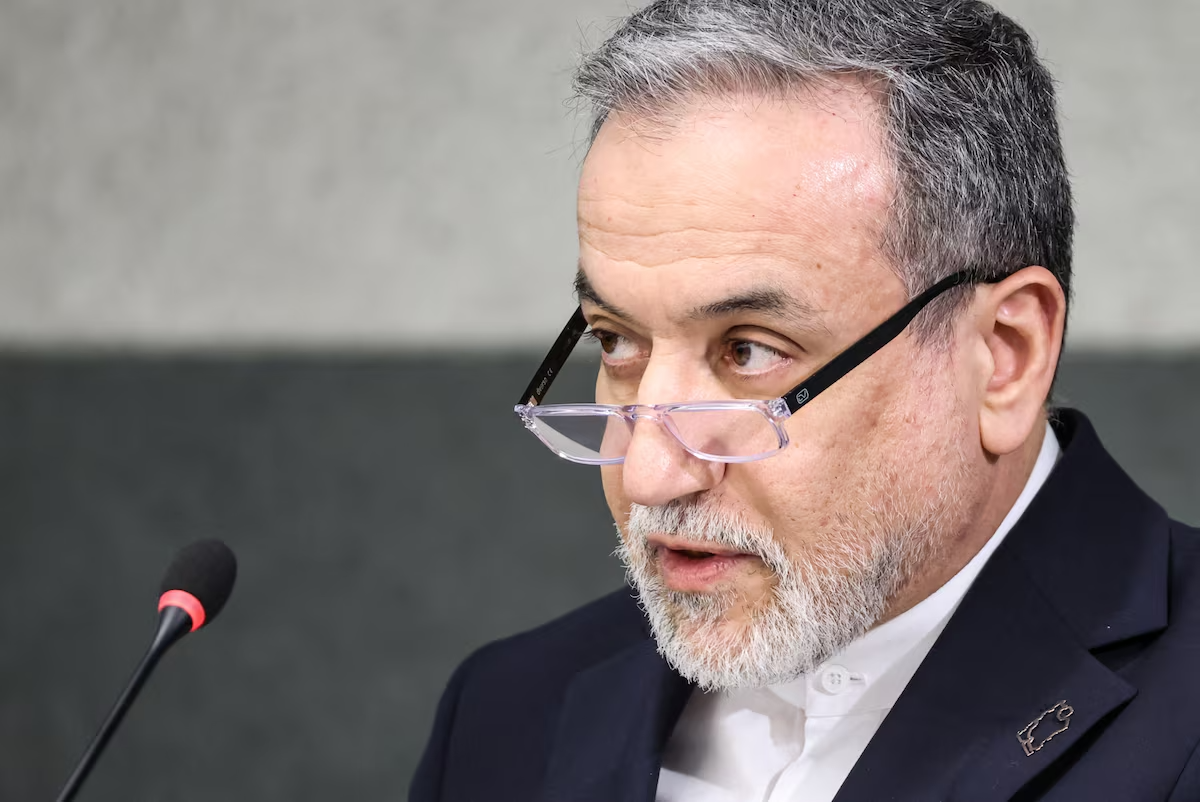
Iranian Foreign Minister Abbas Araghchi has issued a stark and pointed warning to the United States, cautioning the Trump administration against relying on what he characterized as “fake intelligence” and misinformation during a period of heightened military and diplomatic tensions between Tehran and Washington. In a concise but potent statement posted to his official account on the social media platform X, Araghchi directly addressed the United States, suggesting that its policy decisions regarding Iran have historically been undermined by flawed intelligence-gathering and analysis. The minister’s comment—”Fake intelligence is worse than fake news. Be careful”—serves as a direct admonition to US policymakers, implying that the current administration is on the verge of repeating past mistakes. Araghchi specifically highlighted the ongoing disputes over the strategically vital Strait of Hormuz, warning that Washington could be heading toward a “more serious miscalculation” in the region if it continues to base its actions on inaccurate assessments. This rhetoric underscores a profound lack of trust between the two nations and signals that Tehran perceives the current US posture as dangerously uninformed, particularly regarding maritime security and Iran’s territorial sovereignty.
Paragraph 2: The Context of Escalating Tensions
Araghchi’s warning comes against a backdrop of renewed military confrontation and deep-seated political friction that has characterized US-Iran relations in recent months. The minister’s reference to past “miscalculations” alludes to a history of fraught interactions, likely including the US withdrawal from the Joint Comprehensive Plan of Action (JCPOA) and subsequent “maximum pressure” campaigns, which Tehran has long argued were based on flawed premises about Iran’s military capabilities and intentions. The current standoff has been exacerbated by recent military exchanges, which have raised the stakes in the Persian Gulf region. The United States has increased its military presence in the area, while Iran has responded with assertive posturing to defend its interests. Araghchi’s rhetoric suggests that Washington’s current intelligence assessments regarding Iran’s willingness to escalate or its diplomatic red lines are fundamentally flawed. By publicly framing US intelligence as “fake,” Tehran is attempting to delegitimize any American justification for military action, framing any future US strike or aggressive maneuver as an act based on lies rather than a response to genuine Iranian provocation.
Paragraph 3: The Strategic Importance of the Strait of Hormuz
The focal point of the current dispute, as highlighted by Araghchi, remains the Strait of Hormuz, a narrow waterway that serves as a critical chokepoint for global energy supplies. Approximately one-fifth of the world’s total petroleum consumption passes through the strait, making it a vital artery for the global economy. Iran has historically used the threat of closing or disrupting the strait as a leverage point in its disputes with the West, and the current standoff is no different. Tehran has linked the full reopening of this waterway to a series of specific demands directed at Washington, effectively holding global energy security hostage to political concessions. The Iranian position is that the strait will not return to normal operations—which include the unhindered passage of commercial shipping—unless the United States takes concrete steps to de-escalate tensions and address Iranian security concerns. This linkage transforms the Strait of Hormuz from a mere geographical feature into a bargaining chip in a high-stakes geopolitical poker game, with global markets watching nervously for any signs of disruption.
Paragraph 4: Diplomatic Maneuvering with Oman
While tensions remain high, there are signs of diplomatic activity behind the scenes, particularly involving Oman, which has historically served as a mediator between Iran and Western powers. Iranian officials have confirmed that discussions with Oman regarding shipping arrangements through the Strait of Hormuz are “nearing completion.” However, Tehran has been careful to emphasize the limitations of these talks. In a crucial clarification, Iranian officials have stressed that any agreement reached solely between Tehran and Muscat would not necessarily result in the full reopening of the waterway. This caveat is significant; it signals that while Oman may be assisting in de-confliction measures or establishing protocols for safe passage, the ultimate decision to lift Iran’s restrictions rests on a bilateral understanding with the United States. The talks with Oman are likely focused on technical aspects of maritime navigation, insurance concerns, and the safety of cargo ships, seeking to provide some semblance of stability even as the political crisis remains unresolved. Yet, Iran’s insistence that Omani-mediated agreements are insufficient reinforces the message that Washington is the only party that can unlock a comprehensive resolution.
Paragraph 5: The Future of the Waterway and Global Implications
The continued tension over the Strait of Hormuz carries profound implications not only for regional security but also for the stability of the global economy. The mere threat of disruption has previously led to fluctuations in oil prices and has prompted naval forces from multiple nations to patrol the waters. If American intelligence is indeed flawed regarding Iran’s intentions, as Araghchi claims, the risk of an accidental conflict in these crowded waterways increases exponentially. The minister’s warning can be interpreted as an attempt to deter US action by highlighting the unpredictability of a response based on inaccurate data. If Iran were to act on its threats to severely restrict shipping, the impact on global supply chains would be immediate and severe, potentially triggering a worldwide economic downturn. Both Washington and Tehran walk a fine line: while Iran uses the threat of closure as leverage, it likely recognizes that using it fully would invite overwhelming international backlash and military retaliation. On the other side, the US must balance its show of force with diplomatic prudence, as any aggressive action based on faulty intelligence could ignite a larger conflict that neither side appears to genuinely desire.
Paragraph 6: Conclusion and Outlook
Foreign Minister Araghchi’s stark warning encapsulates the fragile and volatile nature of the current US-Iran dynamic. By accusing the United States of relying on “fake intelligence,” Tehran is issuing a two-pronged message: a threat and a plea for rationality. The threat is that if the US acts on bad information, it will face consequences in the Strait of Hormuz that could spiral out of control. The plea is for Washington to rely on realism and direct communication rather than the perceptions gleaned from intelligence agencies that Iran believes are compromised or incorrect. As the talks with Oman inch forward without immediate results, the status quo remains precarious. The ball is largely in Washington’s court to demonstrate the “additional steps” Iran has demanded, though the nature and extent of those steps remain unclear. Ultimately, Araghchi’s warning serves as a dramatic reminder that the margin for error in the Persian Gulf is razor-thin, and that miscalculation—whether based on fake intelligence or overblown rhetoric—could have catastrophic consequences for the entire world. The coming weeks will reveal whether the US heeds the warning or dismisses it as posturing.