


India Accuses Pakistan of Violating Indus Waters Treaty Spirit at UN Security Council Meeting
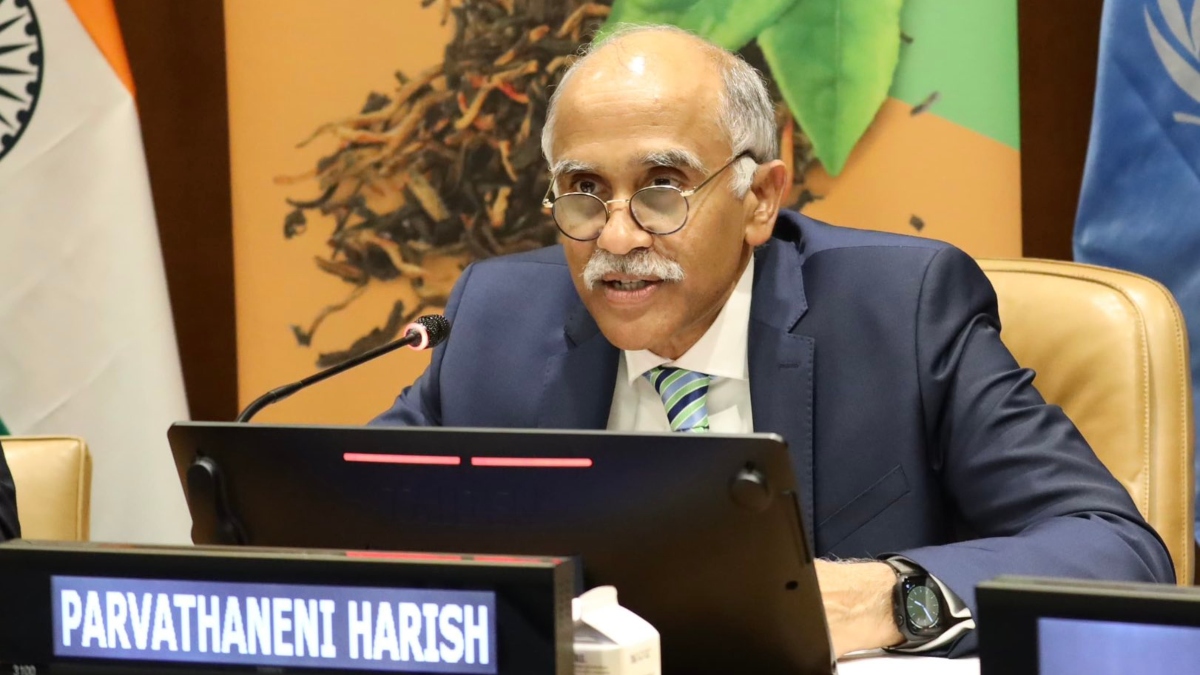
NEW YORK – In a forceful rebuke at the United Nations Security Council, India accused Pakistan of violating the spirit of the 1960 Indus Waters Treaty (IWT) through decades of cross-border terrorism and three wars. The statement came during an Arria Formula meeting on "Protecting Water in Armed Conflict – Protecting Civilian Lives," organized by Slovenia’s Permanent Mission to the UN. India’s Permanent Representative to the UN, Ambassador Parvathaneni Harish, delivered the pointed remarks, directly addressing what he termed "disinformation" spread by the Pakistani delegation. The backdrop for this heated exchange was the horrific Pahalgam terror attack of April 22nd in Jammu and Kashmir, where 26 civilians lost their lives. This incident prompted India to declare that it would hold the IWT in abeyance until Pakistan demonstrably and permanently renounced its support for cross-border terrorism.
Harish emphasized that India had entered into the IWT 65 years ago with a genuine commitment to "goodwill and friendship," as explicitly stated in the treaty’s preamble. However, he argued that Pakistan’s actions have consistently contradicted this spirit. He highlighted the three wars initiated by Pakistan against India and the relentless onslaught of terrorist attacks, which have claimed over 20,000 Indian lives in the past four decades alone. The Pahalgam attack, targeting innocent tourists, served as the latest grim example of this ongoing violence. The ambassador framed these actions as a deliberate attempt by Pakistan to “hold hostage the lives of civilians, religious harmony and economic prosperity” in India.
India’s decision to place the IWT in abeyance reflects its growing frustration with what it perceives as Pakistan’s blatant disregard for the treaty’s underlying principles. While the treaty outlines water-sharing arrangements for the Indus River and its tributaries, India argues that Pakistan’s actions have created a climate of hostility and distrust that undermines the very foundation of the agreement. By sponsoring terrorism and engaging in armed conflict, India contends, Pakistan has created an environment where cooperation on water management is impossible. The abeyance is intended to signal India’s resolve to address this fundamental issue before further discussions on the treaty can take place.
The ambassador further revealed that India has, on multiple occasions in the past two years, formally requested Pakistan to engage in discussions regarding modifications to the IWT. These requests have been consistently rebuffed by Islamabad. The specific modifications sought by India have not been publicly disclosed, but it is believed they relate to concerns over Pakistan’s alleged misuse of the treaty’s provisions and its failure to uphold its obligations under the agreement. India’s repeated attempts to engage in dialogue, coupled with Pakistan’s refusal, further underscores the breakdown in communication and trust between the two nations.
The escalating tensions surrounding the IWT have raised concerns within the international community about the potential for further conflict and instability in the region. Water is a critical resource, particularly in South Asia, where water scarcity is a growing challenge. The IWT has long been lauded as a successful example of transboundary water cooperation, but its future now appears uncertain. The international community is urging both India and Pakistan to exercise restraint and engage in constructive dialogue to resolve their differences and prevent the situation from deteriorating further.
The Arria Formula meeting provided a platform for India to articulate its position on the IWT and its grievances against Pakistan to the broader international community. While the meeting itself does not hold any formal decision-making power, it serves as an important forum for raising awareness and fostering dialogue on critical issues related to peace and security. India’s strong statement at the meeting underscores the gravity of the situation and the urgent need for a resolution to the ongoing impasse between the two nuclear-armed neighbors. The future of the IWT, and the stability of the region, hangs in the balance.