


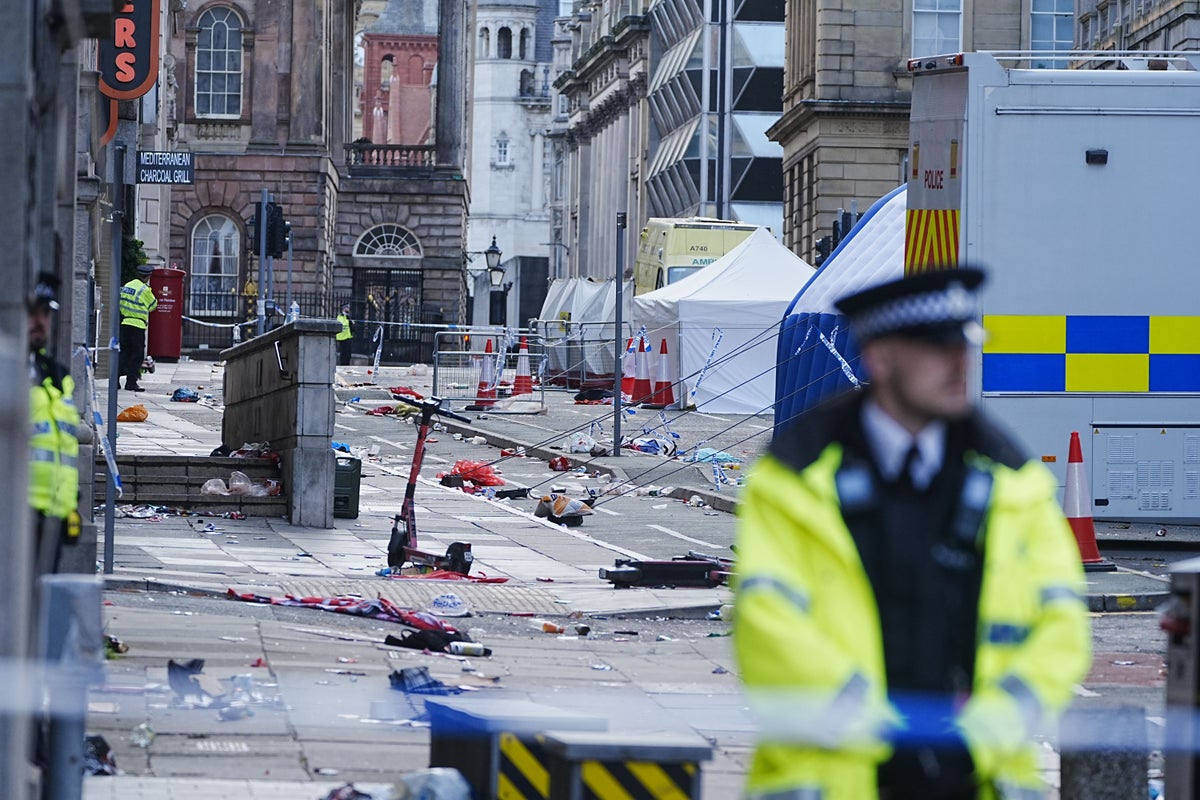
Liverpool Parade Crash Prompts Calls for Greater Police Transparency in Suspect Identification
A recent car crash into a crowd celebrating Liverpool FC’s Premier League victory has ignited a debate about police transparency in releasing suspect information. The incident, which injured 79 people, saw Merseyside Police swiftly disclose the suspect’s ethnicity as "white British" within hours. This prompt action contrasts sharply with the force’s reticence following a 2022 knife attack in Southport, where delayed information about the attacker fueled harmful speculation and far-right unrest. The incident has prompted senior police figures to advocate for greater transparency in sharing suspect details to combat misinformation and maintain public trust. This new approach acknowledges the rapid spread of information online and aims to preempt harmful speculation by providing accurate details from official sources.
Gavin Stephens, chair of the National Police Chiefs’ Council (NPCC), defended Merseyside Police’s decision, emphasizing the importance of transparency and openness in the digital age. He argued that timely release of information can act as an "antidote" to disinformation, which can rapidly spread online and escalate tensions. While acknowledging that certain legal constraints may restrict information sharing, Stephens stressed the need for police to be as forthcoming as possible to maintain public confidence and counter speculative narratives. This delicate balance between transparency and protecting ongoing investigations highlights the complex challenge faced by police in the information age.
Metropolitan Police Commissioner Sir Mark Rowley echoed Stephens’ view, acknowledging the need for a shift towards greater transparency. Rowley stated that while each case presents unique circumstances, the general principle should be to release more personal details about suspects earlier in the process. He recognized the realities of citizen journalism and the rapid dissemination of information through social media, emphasizing that proactive release of facts is crucial in managing public perception and preventing the spread of misinformation. Rowley also addressed the potential for such transparency to embolden racist elements, stating that confronting such individuals is necessary and avoiding the truth is no longer a viable option. This frank assessment reflects a changing media landscape where police must adapt to maintain control of the narrative.
Liverpool City metro mayor Steve Rotheram strongly supported the decision to release the suspect’s details in the parade crash, citing the rampant online speculation that followed the incident. He highlighted the attempts by certain groups to exploit the situation and spread misinformation, emphasizing the need for swift and accurate information from official sources to counter such narratives. Rotheram’s perspective underscores the importance of local leadership in supporting police efforts to maintain order and prevent the spread of harmful rumors. This local support reinforces the argument for a more proactive approach to information sharing.
The incident in Liverpool has served as a catalyst for a broader conversation about police transparency in the UK. The contrast between the handling of the parade crash and the Southport knife attack highlights a shift in thinking within law enforcement. The emphasis on proactive information sharing represents an attempt to adapt to the realities of the digital age, where misinformation can spread rapidly and have serious consequences. This new approach acknowledges the public’s right to know and seeks to establish a more transparent relationship between police and the communities they serve.
The ongoing debate is not without its challenges. Balancing transparency with the need to protect ongoing investigations and maintain due process remains a complex issue. There are also concerns about the potential for released information to be misused or misinterpreted, particularly in a highly charged social media environment. However, the growing consensus among police leaders suggests a recognition that greater transparency is essential for maintaining public trust and countering the spread of misinformation in the digital age. The incident in Liverpool has underscored the importance of this conversation and will likely shape future police policy regarding the release of suspect information.