


Kremlin’s Multi-Pronged Strategy to Undermine Moldovan Elections and European Integration
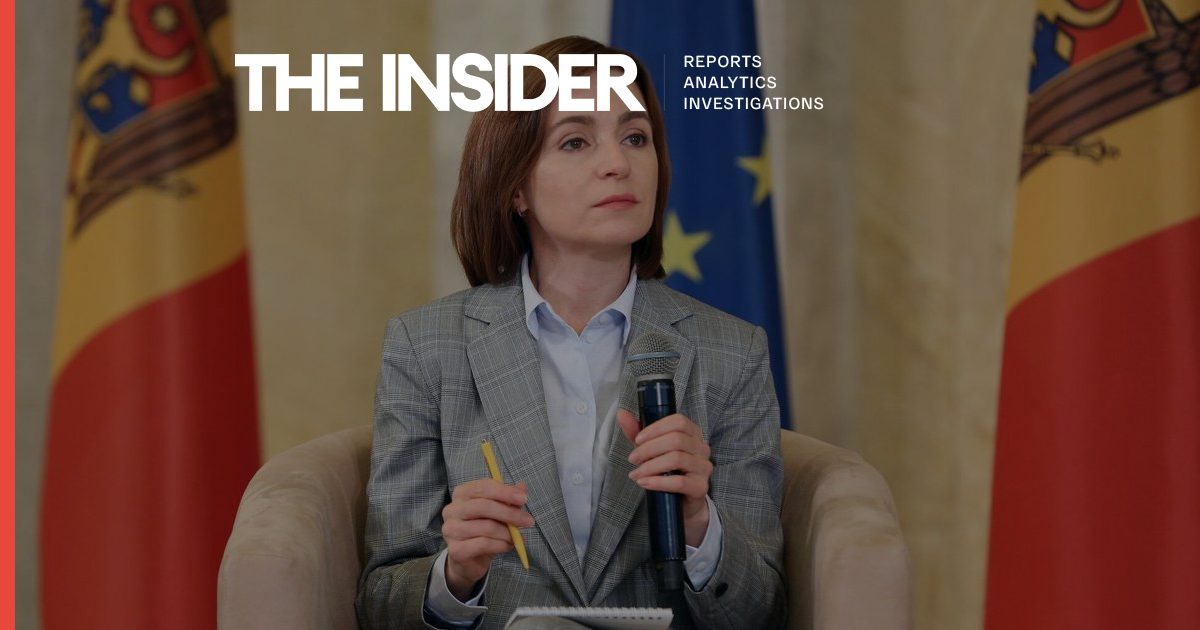
Moldova’s upcoming parliamentary elections on September 28th have become the focal point of a covert Russian interference operation, aimed at destabilizing the country, hindering its European integration ambitions, and weakening its ties with Ukraine. Leaked Kremlin documents and investigative reports reveal a complex strategy involving disinformation campaigns, financial manipulation, exploitation of ethnic tensions, and orchestrated protests. The Kremlin seeks to oust President Maia Sandu’s pro-European Action and Solidarity Party (PAS) and install a pro-Russian government that will obstruct Moldova’s westward trajectory.
Financial Manipulation and Vote Buying
The Kremlin’s financial maneuvering involves several key players, including fugitive oligarch Ilan Shor, who is currently residing in Russia. Shor, whose political bloc was banned from the elections due to its ties to the Kremlin, is reportedly financing smaller pro-Russian political projects, including some masquerading as pro-European or pro-unification with Romania, to siphon votes from PAS. The Moldovan Orthodox Church, with its strong ties to the Russian Orthodox Church, is also suspected of being a conduit for Russian influence, with reports of Shor-linked NGOs funding trips for priests to Moscow and providing them with Russian bank cards. These financial tactics build upon previous attempts at direct vote-buying during last year’s referendum on EU integration, which ultimately failed to sway the outcome in Russia’s favor.
Disinformation and Social Media Manipulation
A central element of the Kremlin’s strategy revolves around a widespread disinformation campaign targeting Moldovan voters. This campaign utilizes a network of bots, fake social media accounts, and online platforms like Telegram, TikTok, and Facebook to spread narratives aimed at undermining Sandu’s government and promoting pro-Russian parties. These narratives falsely portray European integration as a threat to Moldovan neutrality and traditional values, accuse the government of persecuting ethnic minorities, and claim that Moldova is being drawn into NATO and a war with Russia. The disinformation campaign also seeks to discredit Ukraine and Ukrainian refugees while simultaneously exploiting economic anxieties and promoting the idea of “spiritual closeness” with Russia.
Orchestrated Protests and Exploitation of Regional Tensions
Beyond the digital realm, the Kremlin is orchestrating street protests in Moldova, with reports of Ilan Shor directly promising to compensate participants. Moldovan authorities have previously seized large sums of money brought in from Russia for precisely these purposes. The Kremlin is reportedly pushing for a steady increase in the frequency and size of these protests, with an emphasis on generating significant media coverage. Furthermore, there are concerns that Russia intends to escalate the tactics employed during these protests, encouraging violent confrontations with law enforcement through the involvement of criminal elements and former security personnel.
The Kremlin is also exploiting existing regional tensions to further destabilize Moldova. Gagauzia, an autonomous territorial unit, and the unrecognized Transnistrian Moldovan Republic (TMR) are being leveraged as pressure points. Gagauzia’s governor, Evghenia Guțul, has been sanctioned by the EU for promoting separatism and threatening Moldova’s sovereignty, and has been sentenced to prison for illegal campaign financing linked to Shor. Meanwhile, Transnistria experienced an energy crisis last winter after its decades-long free supply of Russian gas was disrupted, highlighting the region’s vulnerability and dependence on Russia.
Targeting Political Parties and Key Figures
The Kremlin’s efforts are not limited to general propaganda; they also target specific political parties and individuals. The “For Moldova” platform, an alliance of several pro-Russian parties including the Party of Socialists and the Party of Communists, is seen as a key vehicle for Russian influence. Meetings between Kremlin officials and representatives of these parties, as well as reports of Russian political consultants with ties to the FSB working with Moldovan political groups, further underscore the direct links between Moscow and these opposition forces. The nominally centrist “Alternative” bloc, which includes the mayor of Chisinau, also presents itself as pro-European while simultaneously criticizing Sandu’s government, further muddying the political landscape.
President Sandu’s Warnings and the Fight Against Disinformation
President Maia Sandu has repeatedly warned about Russia’s hybrid war against Moldova, highlighting the Kremlin’s attempts to capture the country through the ballot box and turn it into a launchpad for attacks on the European Union. Her warnings underscore the seriousness of the threat and the need for both domestic and international vigilance. Efforts to combat disinformation are crucial in this context. Meta, for example, has reported blocking networks of fake accounts targeting Moldovan voters, and analysts have identified key themes and narratives employed by the Kremlin’s propaganda machine. Continued vigilance, independent fact-checking, and media literacy are essential in countering these disinformation efforts. The upcoming elections in Moldova represent a crucial test of the country’s resilience against Russian interference and its commitment to European integration. The outcome will have significant implications not only for Moldova but also for the broader geopolitical landscape in Eastern Europe.