


Navigating the Digital Maze: Empowering Children for Online Safety in a Hyper-Connected World
The digital landscape has become an undeniable force in shaping childhood experiences, offering unprecedented opportunities for learning, connection, and entertainment. However, this virtual realm also presents a unique set of challenges, particularly for children vulnerable to online risks such as cyberbullying, privacy violations, and exposure to inappropriate content. A recent lecture at Marquette University shed light on these complex issues, highlighting the critical role parents play in fostering online safety for their children. Visiting professors Kristen Walker and Richard Netemeyer, armed with four years of comprehensive research on social media data encompassing both adults and children, shared invaluable insights into navigating the digital world responsibly.
The research underscored a powerful correlation between parental concern for online privacy and children’s own awareness of these issues. Just as children model their parents’ behavior in the physical world, they also internalize their attitudes and practices in the online sphere. Parents who actively engage in discussions about privacy settings, data security, and responsible online behavior create a ripple effect, empowering their children to make informed decisions and cultivate healthy digital habits. This open communication, initiated at a young age, can lay a strong foundation for navigating the complexities of online safety.
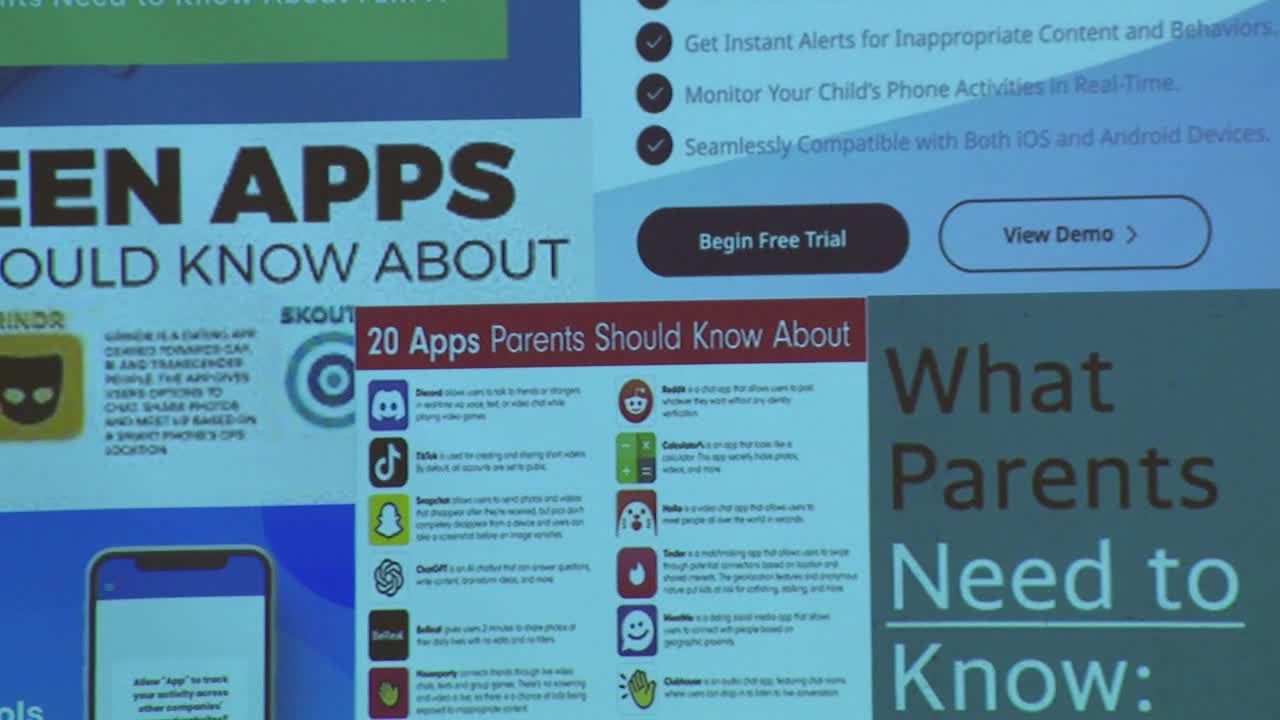
The experts emphasized the significance of parental controls, particularly on social media platforms, as a vital tool in mitigating online risks. These controls not only provide a protective shield against potential threats like identity theft, scams, and online predators but also instill a sense of responsible online behavior in children. However, despite their effectiveness, the adoption rate of parental controls remains surprisingly low, underscoring the need for greater awareness and education among parents.
One recurring theme in the discussion was the ongoing challenge of managing screen time. The American Academy of Pediatrics and the U.S. Centers for Disease Control and Prevention recommend a maximum of one hour of screen time per day for children aged 2 to 5, and no more than two hours for children aged 5 to pre-teens. Moderating and restricting screen time remains a critical aspect of ensuring children’s well-being in the digital age, fostering a healthy balance between online and offline activities.
The Marquette lecture coincides with reports of Google developing an AI chatbot specifically designed for children, further highlighting the evolving nature of the digital landscape and the need for ongoing vigilance. This development underscores the importance of equipping children with the critical thinking skills and digital literacy necessary to interact responsibly with artificial intelligence and other emerging technologies. As children increasingly engage with AI-powered platforms, parents must actively guide them in understanding the limitations and potential biases of these technologies, ensuring they develop a discerning approach to the information they encounter.
The insights shared by Professors Walker and Netemeyer provide a valuable roadmap for parents navigating the complexities of online safety. By modeling responsible online behavior, engaging in open communication about privacy and security, utilizing parental controls effectively, and moderating screen time, parents can empower their children to thrive in the digital world while minimizing potential risks. As the digital landscape continues to evolve, fostering a culture of open dialogue and ongoing learning within families will be crucial in equipping children with the skills and knowledge necessary to navigate the online world safely and responsibly. The experts urged parents to not shy away from these conversations, emphasizing that their active involvement is the cornerstone of children’s online safety.