









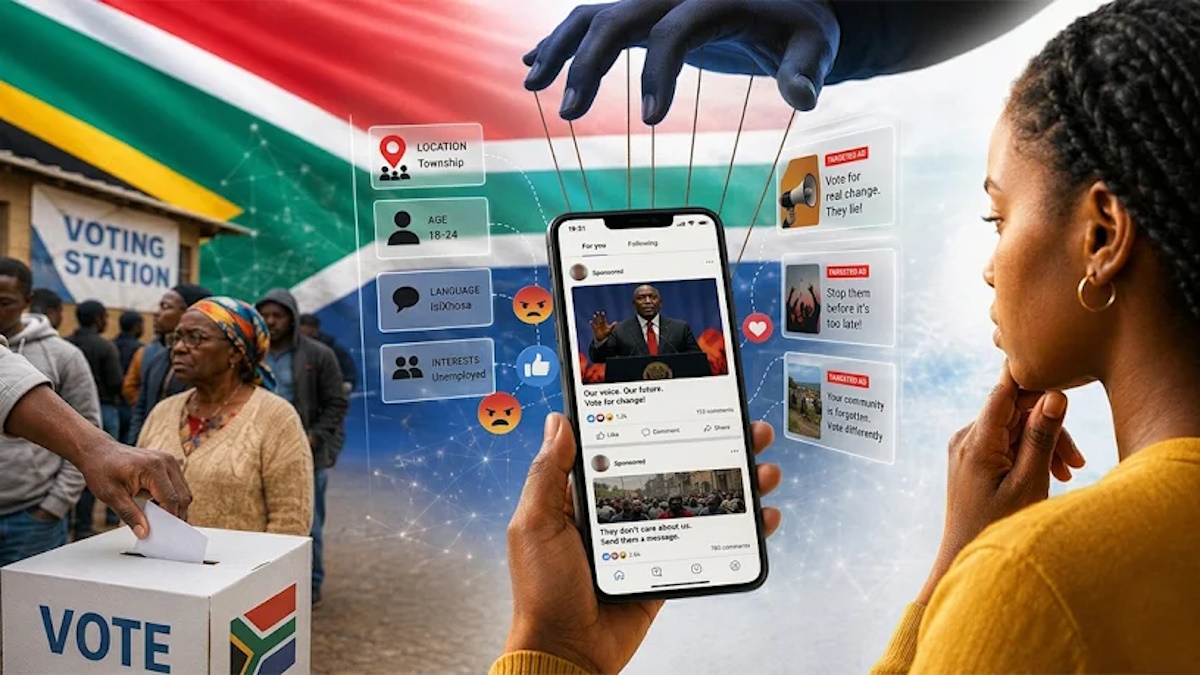
IEC Gazettes Disinformation Code Ahead of Local Elections
The Electoral Commission (IEC) has gazetted a new code of conduct aimed at countering disinformation ahead of South Africa’s local government elections on 4 November. The measure responds to the fact that misinformation tends to peak during election periods, posing one of the greatest risks to electoral integrity and the legitimacy of elected governments.
The code applies to political parties, candidates and anyone acting on their instruction or authority, covering all election-related communication whether online or offline, paid or unpaid. Parties must verify information for accuracy before sharing it and take responsibility for content published on their behalf.
Under the new rules, parties and candidates must publicly retract and correct any false information within 36 hours of becoming aware of it, and censure those responsible where appropriate. They are also required to clearly label AI-generated content and political advertising before distribution.
The code explicitly prohibits deceptive practices including fake accounts, bot networks, coordinated inauthentic behaviour, doxing and cyberbullying. It specifically outlaws disinformation targeting the IEC or its staff, requiring parties to correct such content publicly when it occurs.
The commission has designated the Real411 platform for reporting suspected disinformation, accessible to individuals, parties, organisations and candidates. The platform will handle complaints about content targeting electoral processes, contestants and the commission itself.
Parties will undertake to comply with the code during a signing ceremony on 23 September. Contraventions are subject to the same sanctions as breaches of the Electoral Code of Conduct under the Municipal Electoral Act 27 of 2000.


