


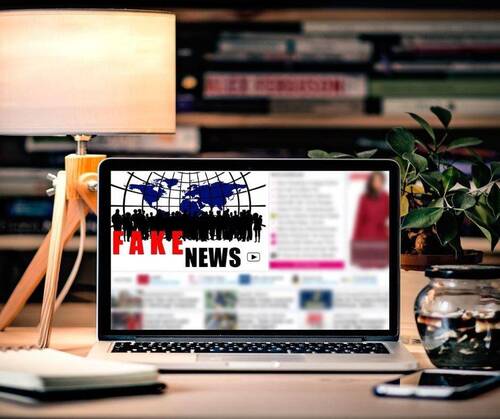
The Pervasive Threat of Mental Health Misinformation in the Digital Age
The digital age has brought unprecedented access to information, but it has also ushered in an era of rampant misinformation, particularly concerning mental health. This proliferation of false or misleading narratives poses a significant public health threat, as identified by the World Health Organization (WHO). Inaccurate information can perpetuate harmful stereotypes, promote unproven treatments, and deter individuals from seeking appropriate professional help. Consequently, understanding how to identify and combat misinformation about mental health has become crucial for individuals, families, and communities alike.
The Detrimental Impact of Misinformation on Mental Well-being
The consequences of mental health misinformation are far-reaching and can severely impact both mental and physical well-being. Exposure to false claims can generate unnecessary fear and anxiety, reinforcing existing stigma surrounding mental illness. This can discourage individuals from seeking professional help or disclosing their struggles to loved ones, leading to isolation and exacerbating their conditions. Further, misinformation can promote ineffective or even harmful "miracle cures," diverting individuals from evidence-based treatments and potentially delaying their recovery. Young people, particularly vulnerable to online influences, are especially at risk from the deceptive nature of online content, which often lacks credible sourcing and scientific backing. This can create confusion and hinder their ability to access accurate information and appropriate care.
The Role of Media in Shaping Perceptions and Spreading Misinformation
Mass media, including traditional news outlets and social media platforms, wield significant influence in shaping public perceptions of mental illness. While many media professionals strive to provide accurate and responsible reporting, sensationalized or inaccurate portrayals of mental health conditions can perpetuate harmful stereotypes and misinformation. This can range from romanticized depictions of suicide to misrepresentations of the symptoms and treatments for conditions like depression and anxiety. The rapid spread of misinformation through social media algorithms further exacerbates the problem, creating echo chambers where inaccurate beliefs are reinforced and amplified. This makes it increasingly challenging for individuals to discern credible sources from unreliable ones, hindering efforts to address mental health challenges effectively.
Strategies for Identifying Accurate Mental Health Information Online
Navigating the deluge of online health information requires a critical and discerning approach. To identify accurate and reliable sources, individuals should prioritize information from reputable organizations such as the WHO, the National Institutes of Health (NIH), and professional associations like the American Psychiatric Association (APA). It is crucial to evaluate the evidence supporting any claims, looking for peer-reviewed studies and scientific consensus. Be wary of sensationalized headlines, anecdotal evidence, and promises of “miracle cures” that lack scientific validation. Consider potential biases, recognizing that political or commercial interests can influence the presentation of health information. Finally, cross-referencing information across multiple credible sources can help ensure accuracy and minimize the risk of being misled by biased or inaccurate content.
Combating Misinformation: A Multi-pronged Approach
Addressing the pervasive issue of mental health misinformation requires a collaborative effort involving healthcare providers, researchers, media professionals, social media platforms, and policymakers. Promoting evidence-based practices in mental health communication is essential, ensuring that information disseminated to the public is accurate and grounded in scientific research. Encouraging fact-checking and media literacy initiatives can empower individuals to critically evaluate online content and identify misinformation. Public health campaigns can play a crucial role in raising awareness about the dangers of inaccurate information and directing individuals to reliable resources. Furthermore, holding social media platforms accountable for the content they host and developing effective strategies to regulate misleading content are essential steps in curbing the spread of misinformation.
Engaging in Constructive Conversations about Mental Health Misinformation
When encountering mental health misinformation, especially from friends, family, or patients, it’s important to approach conversations with empathy and respect. Avoid dismissing their beliefs outright, as this can be counterproductive and further entrench their views. Instead, engage in open-ended questions to understand their perspective and the source of their information. Provide them with links to credible sources, such as reputable organizations and scientific studies, to gently challenge their misconceptions. Encourage further research and consultation with mental health professionals. Emphasize the benefits of evidence-based treatments and the importance of seeking professional help when struggling with mental health challenges. By fostering open and respectful dialogue, we can help dispel misinformation and encourage informed decision-making based on accurate information and scientific evidence. Ultimately, combating mental health misinformation requires ongoing awareness campaigns, research efforts, educational initiatives, and collaborative action to ensure that individuals have access to accurate, reliable, and empowering information that promotes mental well-being.