









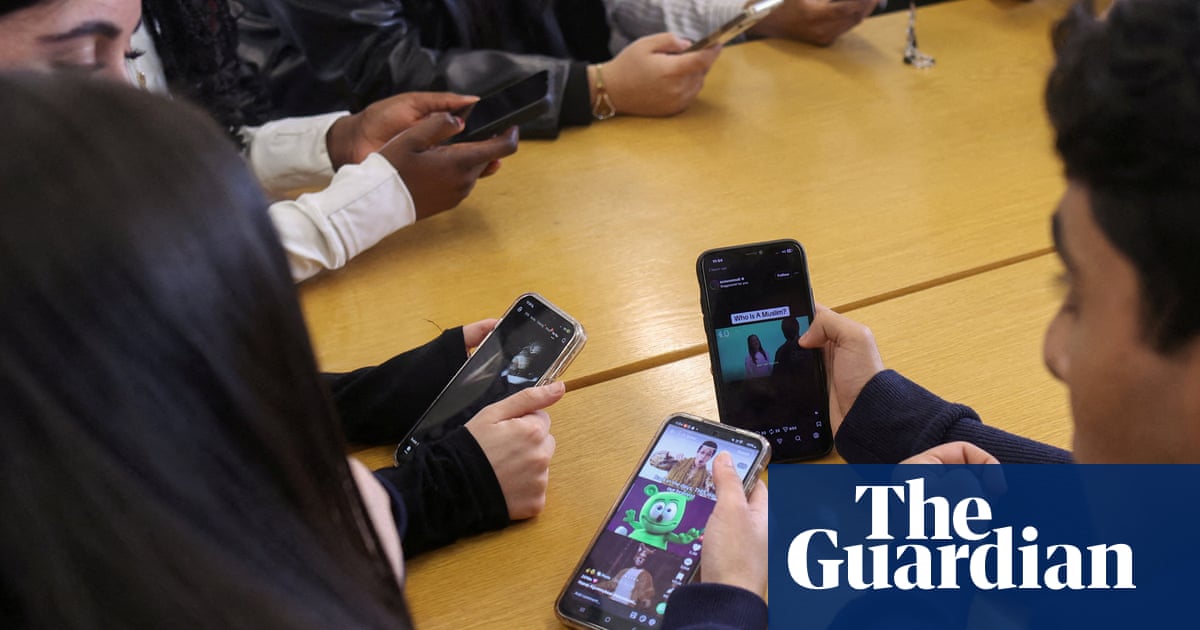
In a defining move for digital sovereignty and child protection, Prime Minister Keir Starmer has announced a strict new regulatory framework poised to redefine the digital experience for millions in the UK. By next spring, the government intends to impose a hard ban on social media access for all children under 16, effectively raising the threshold from the current limit of 13. While the move is presented as a crucial safeguard for the nation’s youth, it represents an unprecedented “line in the sand” that will alter the digital landscape for the more than 90% of children aged 13–15 and 80% of those aged 10–12 who currently maintain an active social media presence.
The policy goes beyond a simple age limit by introducing tiered restrictions, with 16- and 17-year-olds facing significant limitations on livestreaming and interactions with strangers. To ensure this isn’t easily circumvented—a recurring issue with similar legislative efforts in Australia—the government is tasking the media regulator, Ofcom, with designing a robust, foolproof age-verification regime. Among the potential methods under consideration are facial age estimation, biometric data matching via photo ID, and integration with financial institutions or mobile network operators to confirm the identity of every user entering the online space.
The technology industry, however, is pushing back, arguing that the consequences of such a broad restriction may undermine its stated objectives. Tech giants like Meta and Google warn that these bans will cut children off from vital information sources; significantly, platforms like TikTok and YouTube are currently the primary ways teenagers access news and educational content. Industry leaders have pointed toward device-level verification managed by operating systems like Apple’s iOS or Google’s Android as a potential solution, which would shift the burden of identity management away from individual app developers and potentially create a more unified infrastructure for the new restrictions.
Privacy advocates and digital rights organizations have reacted with alarm, labeling the proposed measures as a “papers please” approach to the internet. The Open Rights Group and Big Brother Watch argue that legitimate online participation will become effectively impossible without users surrendering sensitive identity documents or biometric data. These groups raise critical concerns about the security of the burgeoning ecosystem of third-party verification services, noting that such companies are often poorly regulated and carry a high risk of data breaches, similar to the 2023 Discord leak that compromised the IDs of 70,000 users.
The conversation has been further complicated by the government’s simultaneous pressure to eliminate the sharing of nude images, a goal that many fear will lead to device-level scanning and mass surveillance. Messaging platforms like Signal have already condemned such measures as dystopian, warning that the technology required to fulfill these mandates could set a dangerous precedent for government overreach. While preventing illicit content and banning minors from social media are distinct technical challenges, the public debate has begun to conflate the two, raising fears that a singular, invasive apparatus for age verification could serve as a gateway for broader digital monitoring.
Ultimately, the success and legality of Starmer’s “new normal” rest entirely on how Ofcom balances its mandate for safety with the fundamental right to digital privacy. If the government persists in its quest to avoid the pitfalls of the Australian model, it may be driven toward increasingly intrusive, data-heavy verification requirements. Whether this line in the sand serves as a durable boundary for the protection of children or a permanent erosion of online anonymity remains a pivotal question—one that will be settled as the regulatory standards are finalized in the coming months.


