









Government Cracks Down on Digital Impersonation and Disinformation
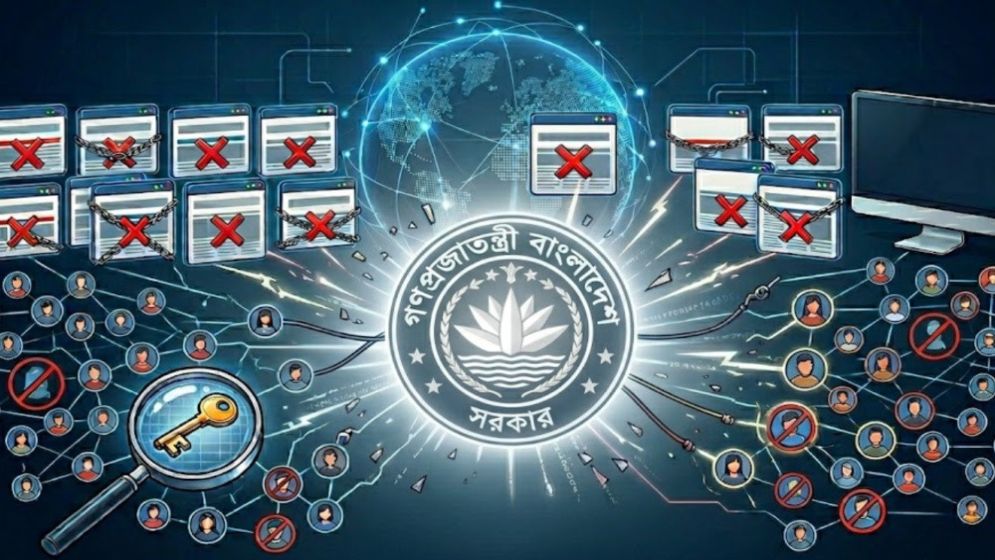
In a significant move to safeguard the integrity of the national media landscape, the government’s fact-checking agency, Banglafact, has identified 16 websites and 400 social media accounts operating under the guise of established media outlets. Information and Broadcasting Minister Zahid Uddin Swapon revealed these findings during a parliamentary session, noting that these entities have been systematically mimicking mainstream news organizations to disseminate propaganda, false reports, and deliberate misinformation. The minister emphasized that these deceptive platforms pose a serious threat to public discourse and social stability by misleading citizens with fabricated content that masquerades as legitimate journalism.
To combat the escalating crisis of digital misinformation, the Ministry of Information has launched a multi-faceted strategic initiative. Minister Swapon detailed that the government is not merely identifying offenders but is also actively empowering the professional press to combat false narratives. As part of this effort, the Press Institute Bangladesh (PIB) is scheduled to release a comprehensive “fact-checking manual” designed to equip journalists with the technical skills and rigorous verification methods necessary to identify and dismantle disinformation campaigns in real-time.
The government’s response extends beyond formal training, incorporating a rapid-response mechanism specifically designed to monitor and debunk rumors. A dedicated committee at the PIB serves as the primary watchdog, tasked with verifying the authenticity of viral social media posts. Once a rumor or false narrative is detected, the committee promptly issues “Information Notes” and official rebuttals to both public and private media outlets, ensuring that the public receives corrected information before rumors can take deep root in the digital ecosystem.
Furthermore, the government is leveraging its regional infrastructure to maintain a continuous, nationwide presence against cyber threats. Regional information offices are currently tasked with the close surveillance of online news portals and social media trends to identify emerging propaganda. Simultaneously, the Feature Branch of the PIB is conducting ongoing public awareness campaigns, regularly publishing research-backed articles in national dailies and online platforms. These efforts aim to educate the citizenry on the nuances of cyber harassment and the dangers of engaging with unverified digital sources.
During the parliamentary proceedings, the minister also provided a comprehensive overview of the country’s diverse and expanding media sector. Currently, Bangladesh hosts 1,969 registered media entities, a figure that reflects the rapid growth of the digital era. This landscape includes 59 television channels—of which 39 are currently active—and a vast network of 1,436 daily newspapers. The distribution of print media is notably widespread, with 593 newspapers originating from Dhaka, while an additional 843 serve communities across various local districts, providing citizens with localized information.
Finally, the report highlighted the government’s formalization of online journalism through a structured registration process. There are currently 474 online news portals registered under three distinct administrative categories, a move intended to bring accountability to digital platforms that have historically operated with little oversight. Minister Swapon reaffirmed the government’s commitment to meticulous oversight, promising that the state will continue to work toward fostering a transparent and truthful media environment while simultaneously shutting down entities that prioritize the spread of falsehoods over journalistic integrity.


