









Uganda’s Fight Against Ebola Stalled by Pervasive Misinformation
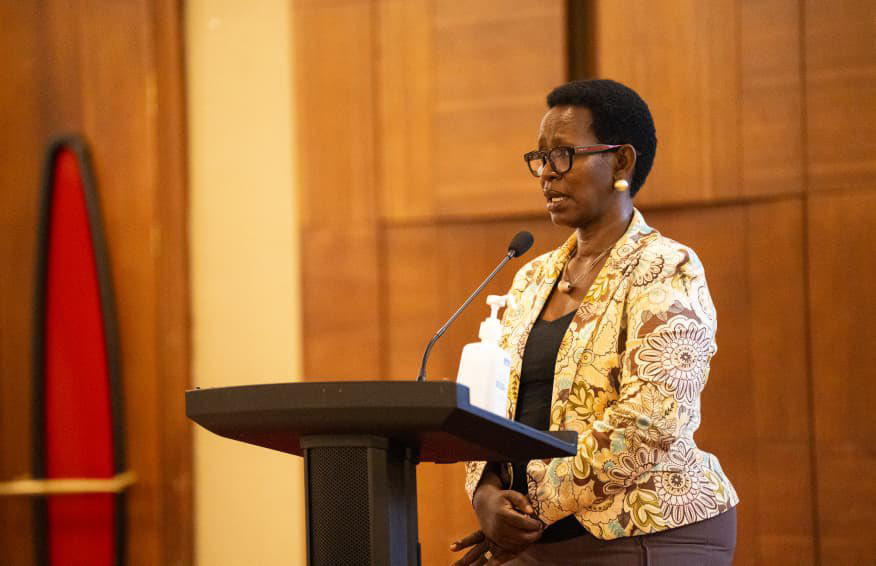
Uganda is facing a critical juncture in its battle against a burgeoning Ebola outbreak, with health authorities warning that a tide of misinformation is threatening to derail containment efforts. Dr. Diana Atwine, the Permanent Secretary of the Ministry of Health, has sounded the alarm, noting that dangerous myths—including claims that the virus is a government scam or the product of witchcraft—are gaining traction. These false narratives are significantly lowering public risk perception, leading many citizens to abandon established preventive measures at a time when vigilance is required most.
During a high-level meeting in Kampala on June 9, 2026, Dr. Atwine joined World Health Organization (WHO) Director-General Dr. Tedros Adhanom Ghebreyesus to strategize against the virus. Atwine emphasized that the speed at which the outbreak is resolved depends heavily on the country’s ability to dismantle these misconceptions through rigorous communication. She warned that such skepticism does more than just encourage risky behavior; it actively endangers frontline response teams who are often met with hostility or distrust when trying to provide care or conduct contact tracing in affected communities.
The primary fear expressed by health officials is the shift from localized, cross-border cases to widespread community transmission. While Uganda has bolstered its surveillance, airport and land border screening, and laboratory testing capabilities, the Ministry of Health acknowledges that an uncontrolled, silent spread within dense communities could quickly overwhelm even the most robust public health infrastructure. Currently, Uganda has confirmed 19 cases, with five recoveries and two deaths, most of which were imported from the neighboring Democratic Republic of Congo (DRC).
In an urgent appeal to the nation, Dr. Atwine called upon Ugandans to take ownership of the crisis by adhering to infection prevention protocols and, crucially, reporting suspected symptoms immediately. She highlighted that the goal of the response is collective security, noting that “by protecting others, we protect ourselves.” Public health experts have long maintained that community engagement is superior to top-down mandates; however, this is currently hampered by social media skepticism and resentment from groups affected by travel restrictions, who have directed their frustrations toward government officials rather than the health threat itself.
Despite the internal challenges posed by misinformation, the international community has lauded Uganda’s methodical response. During his visit, WHO Director-General Dr. Tedros Adhanom Ghebreyesus commended the country for its early detection systems and swift declaration of the outbreak. He noted that Uganda’s historical experience with past health crises has left it well-equipped to handle the current situation. Dr. Tedros praised the government’s transparency, arguing that countries that report outbreaks openly should be supported rather than punished with punitive international travel restrictions that hinder economic activity.
Looking forward, the WHO and the Ugandan Ministry of Health are prioritizing strengthened coordination with the DRC to address the porous nature of the border. With most cases linked to regional movement, officials maintain that sustained cross-border collaboration is the only way to sever the virus’s transmission lines. As the response continues, the focus will remain on balancing high-level surveillance and emergency management with the vital task of building public trust, ensuring that science and factual health education eventually drown out the rumors threatening to hold the country back.


