







Washington, D.C., 23 June 2026 – In a proactive response to the rising tide of digital falsehoods, the Pan American Health Organization (PAHO) has launched a new comprehensive guide aimed at equipping journalists and content creators with the tools necessary to combat vaccine misinformation. Despite an overwhelming scientific consensus affirming the safety and efficacy of immunizations, the spread of inaccurate health data continues to erode public confidence across the Americas. By providing practical strategies to identify and neutralize deceptive content, PAHO aims to safeguard public health initiatives and ensure that communities have access to the scientific facts required to make informed medical decisions.
The challenge, according to experts, lies in the psychological mechanisms utilized by “superspreaders”—individuals or entities who actively undermine scientific evidence, often for financial gain. These actors intentionally craft content designed to go viral, frequently employing emotional triggers like fear, disgust, or sadness to bypass critical thinking. PAHO consultant Lauren Vulanovic notes that these purveyors of misinformation favor fabricated or exaggerated personal narratives over data, knowing that simple, emotionally charged stories are far more effective at capturing public attention than complex scientific findings.
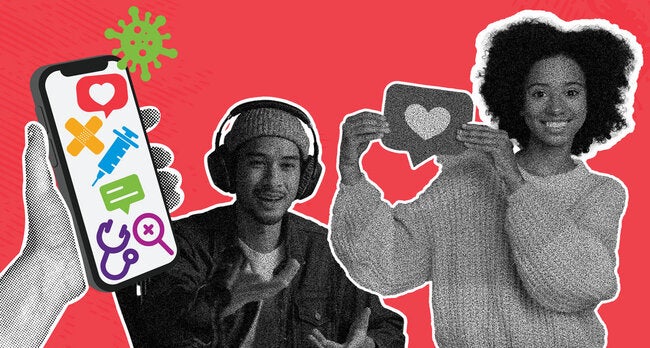
For digital content creators, the new PAHO guidance suggests a shift in strategy. Instead of directly confronting misinformation—which can sometimes inadvertently amplify its reach—creators are urged to adopt empathetic, constructive dialogue that challenges false claims without resorting to personal attacks. By identifying warning signs such as questionable author credentials, broken links, or a lack of verifiable sources, influencers and creators can better protect their audiences. PAHO emphasizes that fostering digital literacy and prioritizing clear, accessible communication alongside trusted medical experts is a superior way to build lasting public trust.
Journalists occupy a unique position in this landscape, and PAHO’s guidance offers clear directives for objective reporting. The organization stresses that in matters of scientific consensus, such as the efficacy of vaccines, it is counterproductive to present false counter-narratives as equally valid. Instead, news organizations should weigh their reporting in favor of the scientific evidence. By avoiding sensationalist headlines and carefully verifying every source, journalists can play a critical role in preventing the normalization of health misinformation and ensuring that the public understands the tangible risks that such falsehoods pose to societal well-being.
The digital landscape is further complicated by the emergence of generative artificial intelligence (AI), which has significantly lowered the barrier for creating highly convincing, yet entirely fabricated, images and videos. PAHO warns that this technology has made it increasingly difficult for the average user to distinguish between fact and fiction, necessitating a heightened sense of vigilance. The organization advocates for a robust, multi-pronged approach that includes promoting critical thinking, supporting professional fact-checking initiatives, and educating the public on how to spot AI-generated content to prevent the spread of sophisticated digital deception.
Ultimately, the stakes of this information battle are measured in human lives. With immunization programs having saved over 15 million lives in the Americas in the last 50 years, PAHO underscores that stalling vaccination rates pose a clear and present danger to global health security. Daniel Salas, Executive Manager of PAHO’s Comprehensive Immunization Program, noted that


