







Georgia Launches Sabotage Investigation into Alleged Foreign Disinformation Campaign
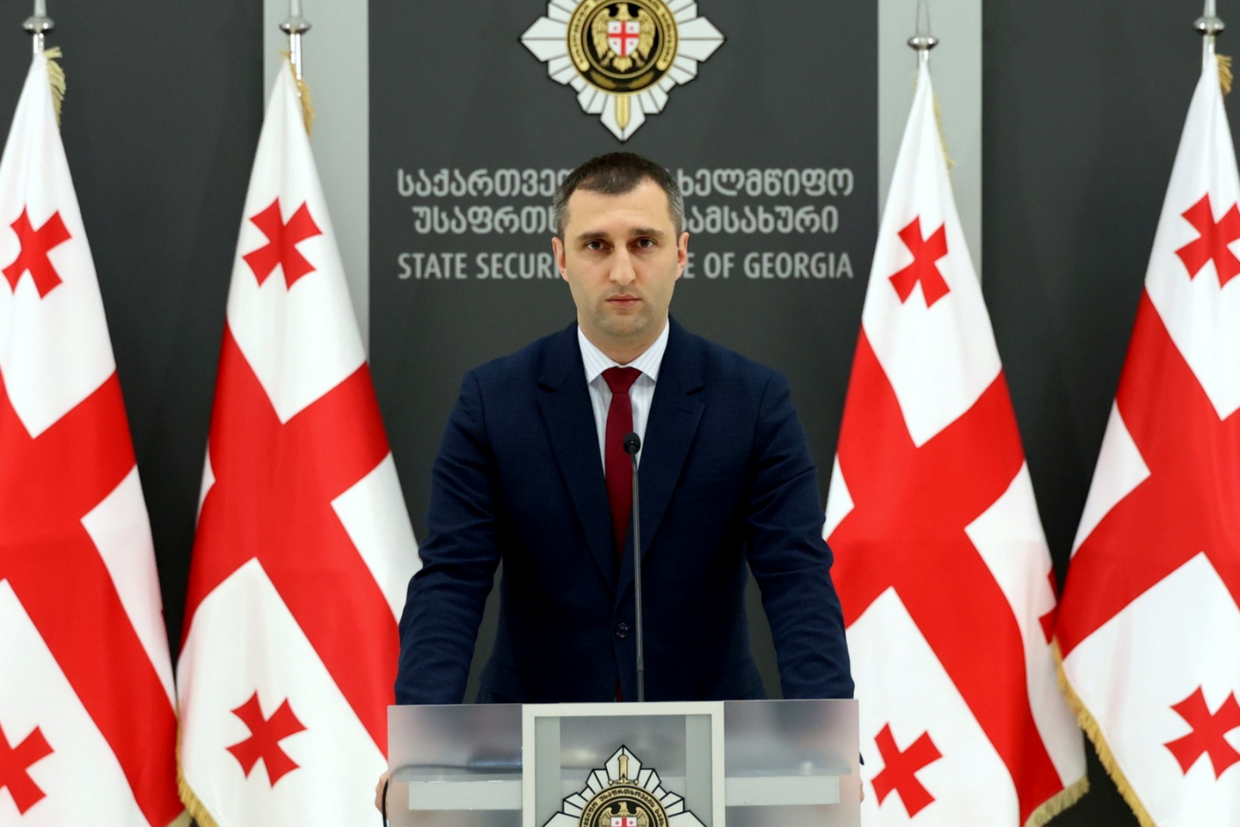
Georgia’s State Security Service (SSG) has officially launched a criminal investigation into what it describes as a foreign-directed disinformation campaign designed to undermine the nation’s state interests. Emzar Gagnidze, director of the SSG’s Anti-Corruption Agency, announced the probe during a briefing on Wednesday, citing the rapid spread of inflammatory content following a recent, localized altercation. The investigation is being conducted under Article 318 of the Georgian Criminal Code, which addresses sabotage against vital state interests and carries a potential penalty of up to four years in prison.
The heightened security measures come in the wake of a hotel dispute in Telavi involving a Georgian man and a group of Russian-speaking women. This incident quickly spiraled into intense online debates regarding the presence and treatment of Russian tourists in Georgia. According to the SSG, the subsequent disinformation campaign sought to capitalize on this social friction by disseminating “discrediting information” through fake social media accounts, many of which the agency claims were registered and managed from abroad.
The SSG detailed specific narratives being pushed by these actors, including false claims that Georgian citizens were physically harming Russian visitors, such as abandoning them in forests or intentionally contaminating their food. The agency asserted that these fabricated stories were designed to damage Georgia’s economic interests by cultivating a widespread, false perception that the country is no longer a safe destination for travelers. These coordinated efforts were allegedly amplified by a foreign-registered media outlet with a vast international audience, though the SSG did not formally name the publication.
Authorities are now working to uncover the organizational structure behind this influence operation. Investigative efforts are focused on identifying the individuals and entities orchestrating the campaign, the origins of its funding, and the specific methodology used to distribute the content. The SSG stated that it is actively monitoring for any actions, whether managed by domestic or external forces, that threaten the country’s constitutional order, national security, or the stability of its state institutions.
The government’s crackdown on this narrative occurs against a backdrop of shifting demographics and tourism trends in Georgia. In recent years, Russia has become the primary source of international visitors to the country, with numbers reaching a record high of approximately 1.6 million in 2025. Furthermore, there has been a substantial increase in the number of Russian citizens choosing to reside in Georgia following the Kremlin’s full-scale invasion of Ukraine in 2022, a development that has remained a sensitive subject in Georgian domestic politics.
In its official statement, the SSG emphasized its commitment to protecting national integrity. The agency warned that any attempts to destabilize the nation or infringe upon its strategic interests would be met with a decisive legal response. As the investigation progresses, the case highlights the growing challenges faced by Georgian authorities in navigating the intersection of public social media discourse, foreign influence, and the high-stakes management of the country’s reliance on tourism.



