





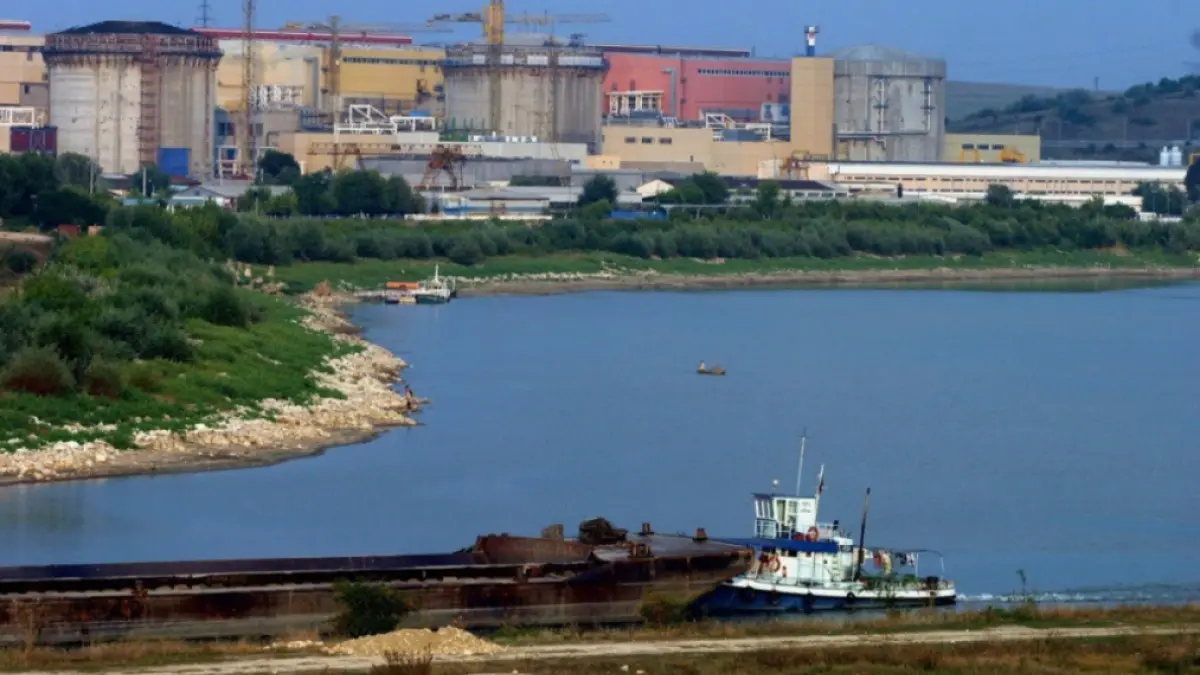
Recent efforts by sovereignist propaganda outlets have attempted to blame Romania’s current energy crisis on Ukraine, specifically citing dredging operations on the Bystroye Canal as the cause for low water levels in the Danube. This narrative alleges that these works are “stealing” water from the river, thereby forcing the precautionary shutdown of a reactor at the Cernavodă Nuclear Power Plant. By linking technical maintenance issues to geopolitical tensions, these actors seek to erode public trust in Romanian authorities and exacerbate anti-Ukrainian sentiment, framing Kyiv as a hostile neighbor responsible for the country’s domestic economic struggles.
However, technical and hydrological experts confirm that the claims regarding the Bystroye Canal are scientifically unfounded. The canal is located in the Danube Delta, approximately 250 kilometers downstream from the Cernavodă power station. Because hydraulic effects from canal dredging do not propagate upstream against the natural flow of a river, it is physically impossible for works in the Delta to impact water levels at Cernavodă. Furthermore, the Romanian government has conducted extensive flow-rate monitoring, finding no evidence that the dredging has altered the river’s distribution in a way that would jeopardize critical energy infrastructure.
The confusion surrounding the Danube’s low levels is often fueled by a misunderstanding of how the river’s basin functions. While Romania has experienced local rainfall and flooding, the Danube’s flow is determined by a vast catchment area spanning over 800,000 square kilometers across nearly twenty European nations. The river’s current volume is significantly lower than the multi-year average—dropping to roughly 1,600 cubic meters per second compared to the standard 4,700—due to a prolonged, multi-national drought affecting the entire continent. Localized storms in Romania do not compensate for the lack of precipitation across the river’s upper and middle reaches.
Additional misinformation has targeted the “Iron Gates 3” (Djerdap 3) hydroelectric project, with skeptics claiming that construction work in Serbia is draining the river. Official records show that this project remains purely conceptual. To date, no construction has commenced, and any future developments would require extensive cross-border environmental and hydrological impact assessments. The only recent action taken was a non-binding Memorandum of Understanding signed between Romania and Serbia to facilitate data sharing, confirming that the project is in a preliminary discussion phase rather than an active engineering stage.
The broader context of these false narratives reveals a pattern of targeting regional stability. The low water levels have affected multiple nations, including Hungary, where the Paks nuclear station faced operational issues, and Bulgaria, which has considered shutting down the Kozloduy plant. Furthermore, Serbian hydroelectric output has declined due to these same environmental factors. By isolating Ukraine as the “usual suspect,” propaganda networks ignore the pan-European reality of the drought, choosing instead to focus on a narrative of Ukrainian culpability that mirrors Moscow-aligned political messaging.
This specific disinformation campaign is being propagated by digital channels that frequently promote sovereignist and anti-establishment viewpoints. These platforms often combine xenophobic, anti-vaccine, and anti-LGBTQ+ rhetoric with critiques of Romanian aid to Ukraine and Moldova. By masquerading as authoritative sources, these channels attempt to weaponize legitimate concerns about energy security to incite social tension and undermine international alliances, deliberately obfuscating scientific facts in favor of a political agenda that frames Ukraine as a primary adversary.