





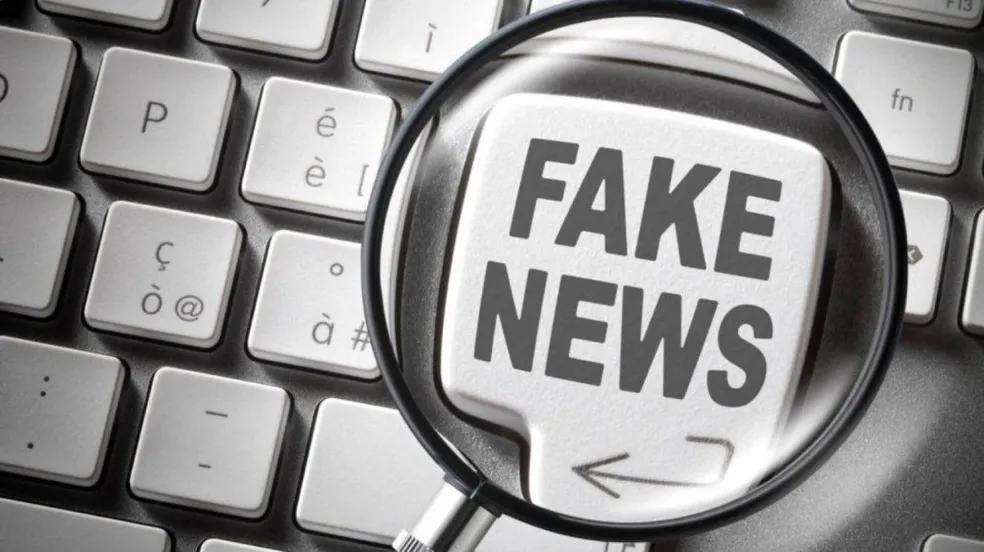
The Media Institute of Southern Africa (MISA) Mozambique has issued a stark warning regarding the rapid acceleration of digital disinformation across the country. According to a newly released report, “The State of Disinformation in the Digital Space in Mozambique 2025,” the nation witnessed 81 documented cases of malicious falsehoods throughout the year. This figure represents a alarming three-fold increase compared to the 28 cases identified in 2024, signaling that the digital landscape is becoming increasingly hostile to accurate, verified reporting.
Facilitated by funding from the Norwegian Embassy, the report utilized cutting-edge artificial intelligence to perform real-time monitoring of digital content. Journalist Armando Nhantumbo, who presented the findings in Maputo, noted that the technological sophistication of these bad actors is evolving alongside the tools used to track them. Of the 81 confirmed cases, 64 involved information that was entirely fabricated from scratch, while 10 were the result of “contextual manipulation,” where authentic images or quotes were stripped of their original meaning to propagate misleading narratives.
The findings underscore that the political arena remains the primary breeding ground for disinformation, with state institutions and high-profile public figures serving as the most frequent targets. Beyond political destabilization, the report highlighted a troubling rise in life-impacting scams. These include the circulation of fake reports regarding the deaths or arrests of prominent citizens, as well as fraudulent job recruitment advertisements designed to deceive the public. Such content is increasingly bolstered by generative artificial intelligence, which makes the deceit more convincing to the average internet user.
A central theme of the report is the erosion of traditional media gatekeeping. Nhantumbo explained that while the digital age has democratized the ability to share information, it has simultaneously dismantled the essential filters that once ensured factual accuracy. Today, every social media user functions as both a creator and a consumer, a dynamic that has severed the link between information circulation and professional accountability. Without the traditional editorial oversight of newsrooms, the barrier to spreading viral untruths has effectively vanished.
The report also sheds light on the sophisticated methodology employed by those behind these campaigns. Many actors are now operating with a high degree of strategic intent, utilizing anonymity, pseudonyms, and visual layouts that mimic the branding of legitimate, well-established news outlets. By stealing the aesthetic of reputable media, these bad actors trick viewers into believing they are consuming verified journalism. The investigation identifies Facebook and WhatsApp as the primary catalysts for this spread, noting that their algorithmic structures are key to the rapid, uncontrolled amplification of false narratives.
Ultimately, MISA Mozambique’s 2025 findings serve as a clarion call for increased digital literacy and more robust regulatory discussions. The convergence of AI-driven fabrication, social media saturation, and the decline of traditional content validation creates a “perfect storm” for misinformation. As these platforms continue to alter the fundamental mechanisms of social exchange, the report suggests that Mozambique must urgently address both the technological challenges of monitoring content and the sociological vulnerability of an audience navigating a post-truth digital environment.