


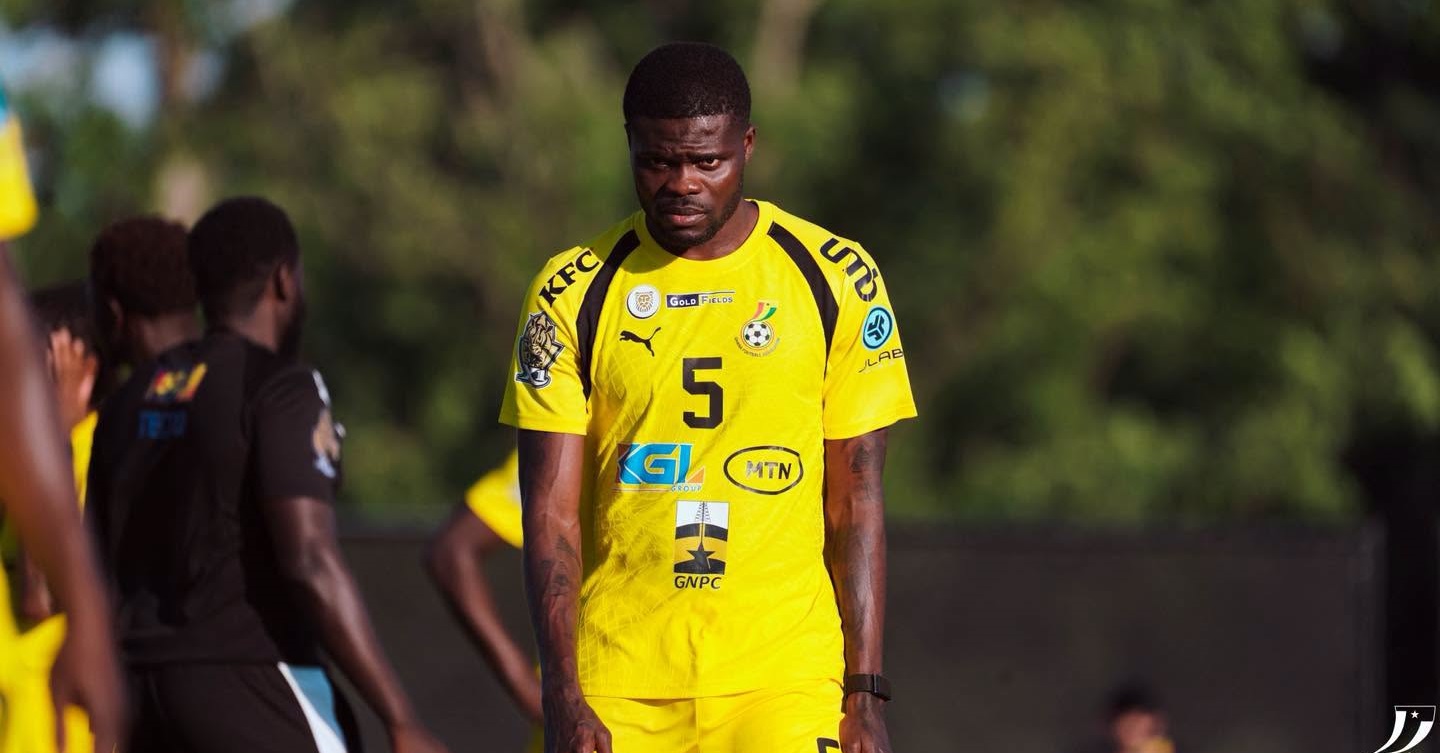
The media’s role as a trusted gatekeeper of information is increasingly under siege, not just from external actors, but from the very newsrooms tasked with verifying facts. In an era dominated by digital platforms and the high-speed demands of the 24-hour news cycle, traditional journalism is witnessing a decline in rigorous gatekeeping. Financial constraints and the pressure to favor engaging, “breaking” narratives over complex, fact-checked reporting have left media organizations vulnerable to the spread of misinformation. This crisis of credibility was recently exemplified by the chaotic media coverage surrounding the visa denial of Black Stars midfielder Thomas Partey ahead of the 2026 World Cup.
The controversy began on June 12, 2026, when Canadian authorities denied Partey entry into the country for Ghana’s opening match against Panama. The decision was rooted in ongoing legal proceedings in the United Kingdom, where the 32-year-old midfielder faces rape and sexual assault charges—allegations to which he has pleaded not guilty. Despite being granted entry to the United States for training earlier in June, the Canadian refusal triggered a diplomatic response, with Ghana’s Ministry of Foreign Affairs decrying the move as “high-handed and unfair.” The legal standoff set the stage for an emergency court appeal, yet the resulting media coverage prioritized sensationalism over judicial reality.
On June 16, 2026—the very day the federal court was scheduled to hear the appeal—three prominent Ghanaian media outlets disseminated false information claiming that Partey had been granted his visa. The misinformation began with United Television (UTV), where presenter Abena Kyei Boakye confidently announced on the “Adekye Nsroma” morning show that the player had successfully received his visa and would join the team the following day. This false claim was amplified by another UTV presenter, Adjoa Yeboah Adjei, via TikTok, eventually cascading across social media platforms like X, where one post alone garnered nearly 400,000 views, dangerously cementing the lie in the public consciousness.
The contagion of misinformation extended to digital news portals as well. Modern Ghana published an article prematurely confirming the visa grant under the headline, “2026 World Cup: Thomas Partey granted Canadian visa after court intervention.” Recognizing the error or the looming falsity of the claim, the outlet later deleted the story. Similarly, GhanaWeb joined the fray late on June 16, publishing a “BREAKING” story with the headline: “Thomas Partey granted Canada visa to participate in World Cup.” At the time these stories were being published and broadcast, the judicial process was ongoing, and no such ruling had been issued by the Canadian authorities.
Fact-checking conducted by GhanaFact revealed that the reality of the situation was far simpler and strictly legal. Following an extensive hearing on June 16 with Partey listed as the appellant against the Canadian Minister of Citizenship and Immigration, Justice Lafrenière delivered a definitive ruling. The court dismissed the emergency application, explicitly stating that it found “no serious issue” with the Canadian immigration authorities’ original decision to deny him entry. While legitimate global and local news outlets eventually reported the court’s dismissal, the damage caused by the earlier, fabricated “breaking news” reports had already misled a vast audience.
This incident serves as a stark warning regarding the state of modern journalism. When professional news outlets prioritize the speed of a “breaking news” alert over the fundamental duty of verifying sources, they become active conduits for disinformation rather than vanguards of truth. The Thomas Partey visa saga demonstrates how resource-strapped newsrooms, driven by the algorithms of social media popularity, can be easily deceived. Ultimately, the episode underscores an urgent need for media organizations to re-establish rigorous editorial standards, ensuring that verified facts—not speculative narratives—remain the bedrock of public discourse.