








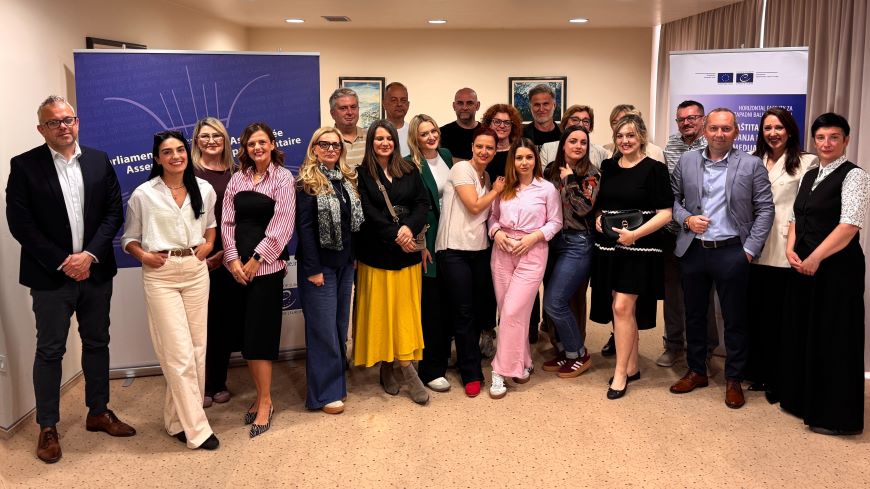
In a concerted effort to bolster the integrity of the democratic process in Bosnia and Herzegovina, media professionals gathered in Neum from May 12–14, 2026, for a comprehensive two-day training seminar. The initiative, centered on advancing professional, accurate, and balanced election coverage, sought to equip journalists and editors with the necessary tools to navigate the increasingly complex landscape of electoral reporting. Given the critical role of the press in informing the electorate, the program emphasized the responsibilities inherent in covering national elections.
The curriculum was meticulously designed to provide participants with a deep understanding of the current Election Law of Bosnia and Herzegovina, with a specific focus on recent legislative amendments. As the country integrates new technologies into its voting system, the training explored the specific implications these shifts have for media operations. By ensuring that members of the press are well-versed in both the legal frameworks and the technical advancements of the electoral process, the session aimed to provide a foundation of expertise for the reporting cycles ahead.
A cornerstone of the event was the fostering of collaboration between the media sector and key administrative institutions, including the Central Election Commission, the Communications Regulatory Agency, and the Press Council of Bosnia and Herzegovina. This dialogue was deemed vital for addressing the multifaceted threats posed by the digital age, particularly the rapid proliferation of artificial intelligence, disinformation, and coordinated “fake news” campaigns. The partnership between these bodies is intended to create a more resilient information ecosystem capable of withstanding external and internal pressures during sensitive election periods.
The training also served as a reflection on the findings detailed in the 2025 ODIHR Preliminary Statement, which underscored significant structural challenges currently facing the Bosnian media landscape. Among the primary concerns discussed were the pervasive lack of transparency in media ownership and the escalating pressure on journalists to function amidst a highly volatile digital environment. Sessions were structured to assist reporters in managing these pressures, providing practical skill sets for responsible, ethical, and objective coverage during both the lead-up to the polls and on election day itself.
Beyond immediate technical reporting, the initiative was framed by a broader commitment to international democratic standards, closely aligned with the principles set forth in the New Democratic Pact for Europe. The organizers emphasized that by championing independent and trustworthy journalism, the media can serve as a primary guardian of democratic resilience. The ultimate goal is to facilitate an informed public debate, ensuring that citizens possess the accurate information required to participate in transparent and fair electoral processes.
This capacity-building effort was realized through the “Protecting freedom of expression and of the media in Bosnia and Herzegovina (PRO-FREX)” action, organized under the joint European Union and Council of Europe “Horizontal Facility for the Western Balkans and Türkiye” program. Additional support was provided by the Council of Europe’s project on supporting the integrity of electoral practices in Bosnia and Herzegovina, funded under the 2026-2029 Action Plan. As the nation prepares for future elections, this collaborative framework remains essential in safeguarding the fundamental role of the press in a healthy democracy.


