








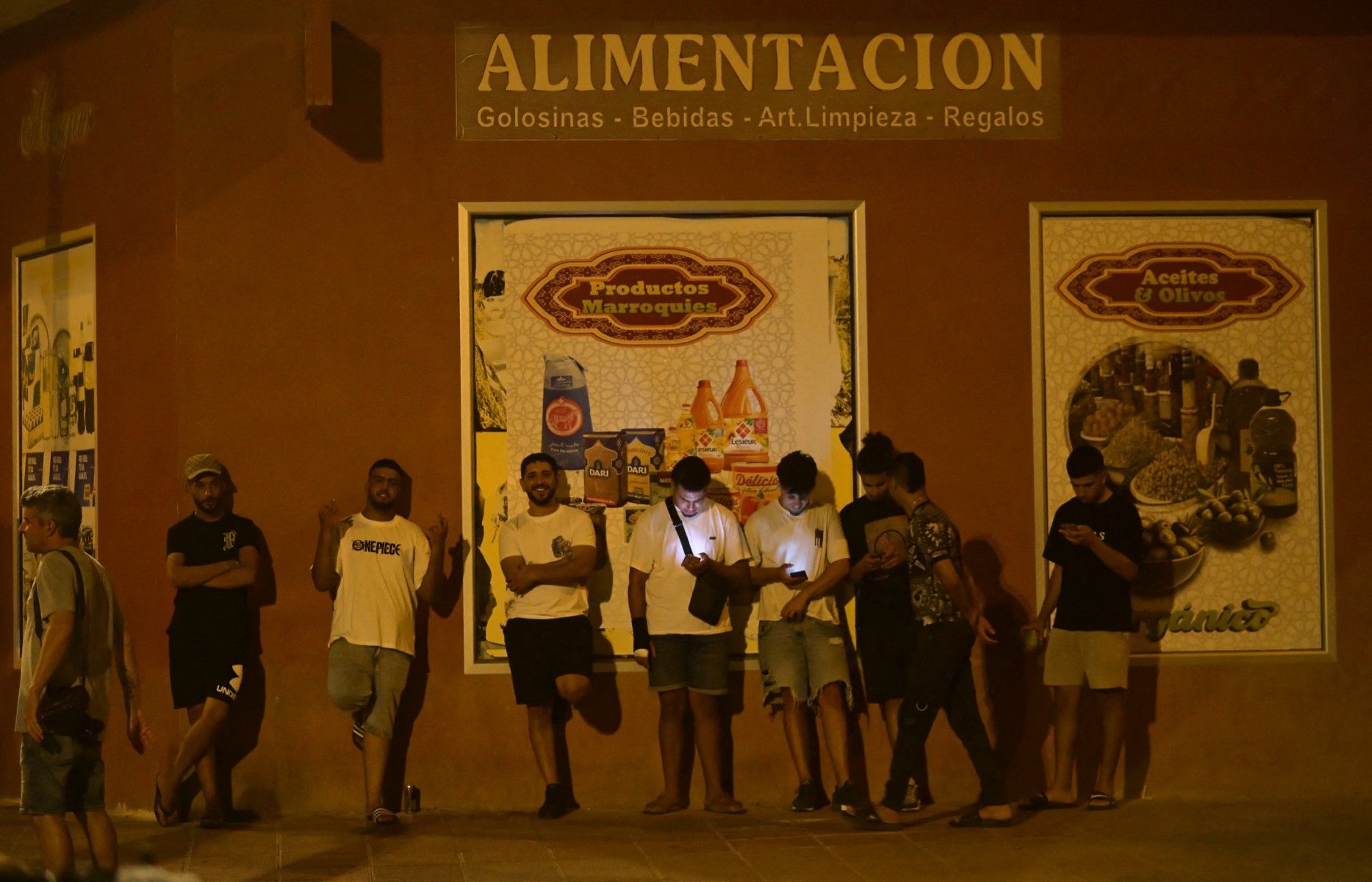
Following the civil disturbances in Torre-Pacheco, Spain, in July 2025, social media became a volatile epicenter for heated discourse and potential incitement. A groundbreaking study conducted by the fact-checking organization Newtral and the Center for Research on Mind, Brain, and Behavior (CIMCYC) at the University of Granada analyzed nearly 300,000 messages across X, Telegram, and TikTok. The research aimed to move beyond the factual accuracy of individual posts to understand the psychological mechanisms that transform online misinformation into real-world social firestorms, providing a novel, multidisciplinary look at how digital rhetoric influences human behavior.
The researchers identified eight recurring psychological categories that characterize the spread of toxic content, including source heuristics, in-group/out-group biases, false consensus, and the strategic use of emotion. By utilizing an advanced AI model powered by a 125-million-parameter Spanish RoBERTa architecture, the team found that the vast majority of posts regarding the unrest—74.4% on X, 71.4% on TikTok, and 83.6% on Telegram—employed at least one of these manipulation tactics. The study highlights a dangerous synergy between digital rhetoric and potential aggression, noting that when users call for action, they almost invariably pair it with derogatory language or dehumanizing descriptors.
The data reveals a stark divide in how misinformation is propagated across different digital ecosystems. On platforms like X and Telegram, the “super-spreader” phenomenon is highly concentrated; for instance, just 14 Telegram channels were responsible for generating half of all problematic videos analyzed. In contrast, TikTok exhibits a more decentralized pattern, where 41% of accounts were needed to generate half of the inflammatory content. This suggests that while platforms like X and Telegram may be driven by influential nodes, TikTok’s architecture facilitates a broader, more distributed surge of problematic discourse among its user base.
At the heart of these findings is the concept of “social signaling.” The researchers concluded that for many users, the primary intent behind circulating such content is not necessarily the dissemination of factual information, but rather the performance of identity and values. By engaging in threads that dehumanize opponents or promote exclusionary narratives, individuals use their posts to signal their belonging to a specific “in-group.” This expressive function explains why misinformation thrives even when presented with blatant factual distortions: the message serves as a tool for social tribalism rather than objective communication.
The methodological rigor of the project—combining automated AI analysis with expert psychological annotation—offers a roadmap for future research into digital harm. However, the team identified several limitations, acknowledging that the nuances of human language, such as sarcasm and irony, often challenge machine learning models. Furthermore, the researchers noted that the “dehumanization” category, while capturing high rates of hostility, frequently collapsed the distinction between specific target group attacks and general interpersonal insults. Despite these hurdles, the model successfully aligned with expert human judgment, proving that technology can act as an effective lens for detecting systemic biases.
Ultimately, this study serves as a critical diagnostic tool for understanding the modern political landscape, where emotional manipulation and cognitive biases play a larger role than traditional news reporting. By categorizing the mechanisms of social division—such as the creation of false enemies and the appeal to simplistic, cause-and-effect narratives—the collaboration between Newtral and CIMCYC sheds light on the psychological mechanics of the “social firestorm.” This research marks a significant step forward in distinguishing between genuine civic discourse and the calculated inflammation of social tensions in the digital age.


