









Addis Ababa Takes Decisive Step to Regulate Religious Media Landscape
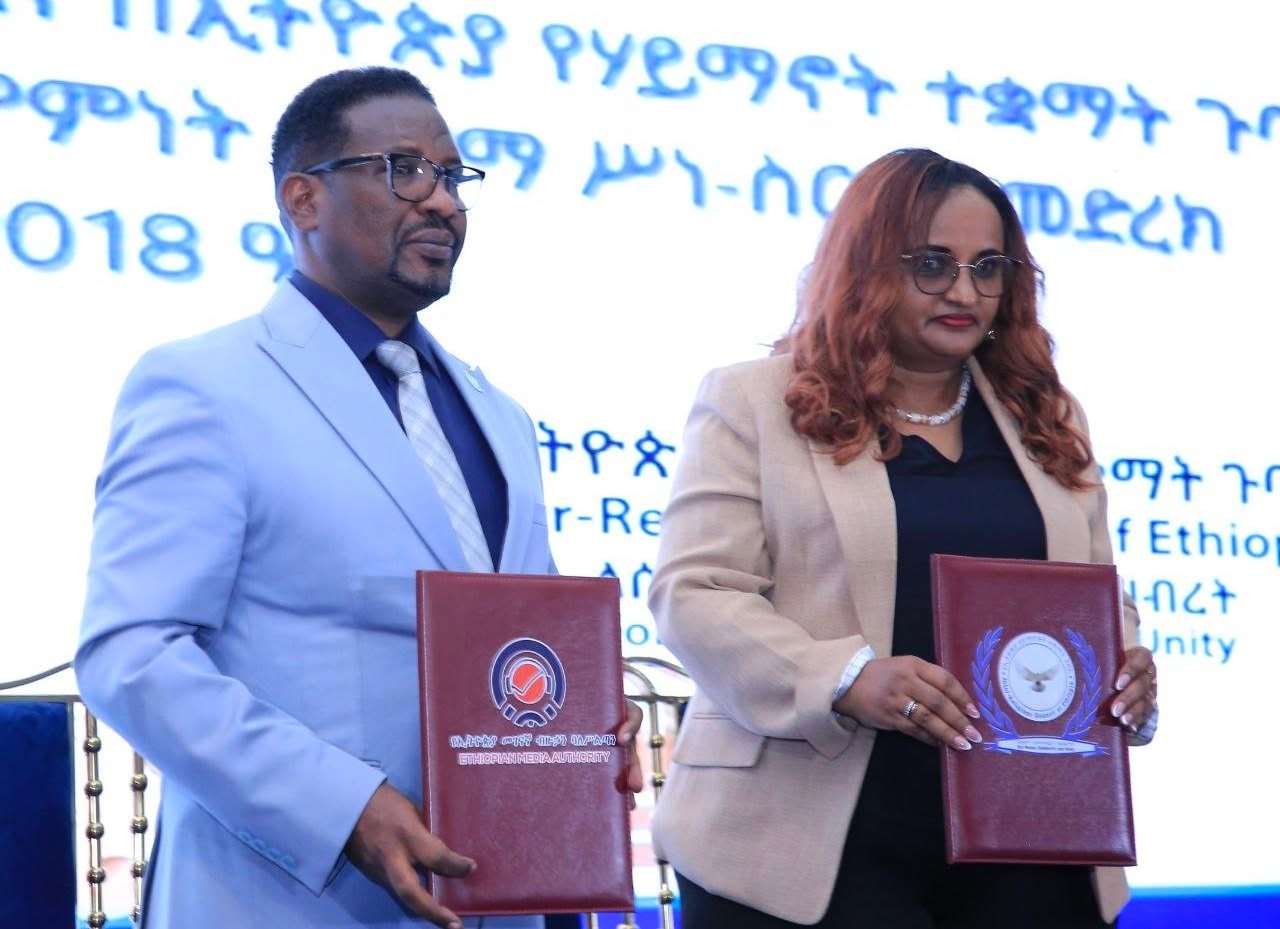
In a landmark initiative aimed at fostering national stability, the Ethiopian Media Authority (EMA) and the Inter-Religious Council of Ethiopia (IRCE) officially signed a memorandum of understanding (MoU) in Addis Ababa on June 16, 2026. This collaborative agreement marks a strategic effort to regulate the country’s diverse religious media landscape, specifically targeting the mitigation of misinformation and hate speech. By formalizing this partnership, both organizations seek to ensure that media outlets operating under religious banners adhere to ethical journalistic standards that uphold the social fabric of the Ethiopian state.
Director-General of the EMA, Haymanot Zeleke, and Secretary-General of the IRCE, Kesis Tagai Tadele, led the signing ceremony, emphasizing the necessity of creating a professional media environment. During the proceedings, Director-General Haymanot highlighted that there are currently 51 distinct religious-based media institutions operating across Ethiopia. While these platforms hold the potential to serve as vital channels for community cohesion, she noted with concern that a small subset of these institutions has been diverted toward the transmission of inflammatory content and fabricated narratives that threaten peaceful coexistence.
The core objective of the agreement is to align the output of religious media with the broader national interest of unity and inter-religious harmony. The EMA emphasized that religious broadcasting should be a conduit for collaboration and mutual understanding among Ethiopia’s various faith communities. By establishing this formal framework, the Authority aim to curtail the spread of divisive ideologies, ensuring that the influence of religious media is harnessed to strengthen rather than fracture the bonds of the citizenry. The oversight provided by this MoU is intended to provide a necessary check on platforms that prioritize sensationalism over the fundamental tenets of their respective religions.
Kesis Tagai Tadele echoed these sentiments, stressing that religious media institutions hold a unique responsibility to operate within the framework of the Ethiopian Constitution. He argued that the influence afforded to religious leaders and their media arms must be utilized to promote peace and togetherness, rather than serving as amplifiers for discord. According to the Secretary-General, the prevalence of hate speech on certain channels has become a growing concern that requires the immediate intervention and collective oversight of both the regulatory body and the council of religious leaders.
To implement the mandates of the MoU, both the EMA and the IRCE have committed to a robust program of capacity building and awareness creation. These joint efforts are designed to equip religious media practitioners with the skills and ethical training necessary to identify and reject harmful rhetoric. By providing stakeholders with a deeper understanding of legal requirements and the potential damage caused by misinformation, the partners hope to foster a culture of responsible broadcasting that proactively discourages the consumption and production of false news.
Ultimately, the partnership between the Ethiopian Media Authority and the Inter-Religious Council signifies a proactive shift in the governance of digital and broadcast landscapes in Ethiopia. By prioritizing collaboration over purely punitive measures, the institutions hope to cultivate a media environment where religious discourse serves as a pillar for national stability. As the implementation of this agreement begins, the focus remains on ensuring that media outlets across the country become instruments of peace, strictly adhering to the values of national unity and historical tolerance.


