


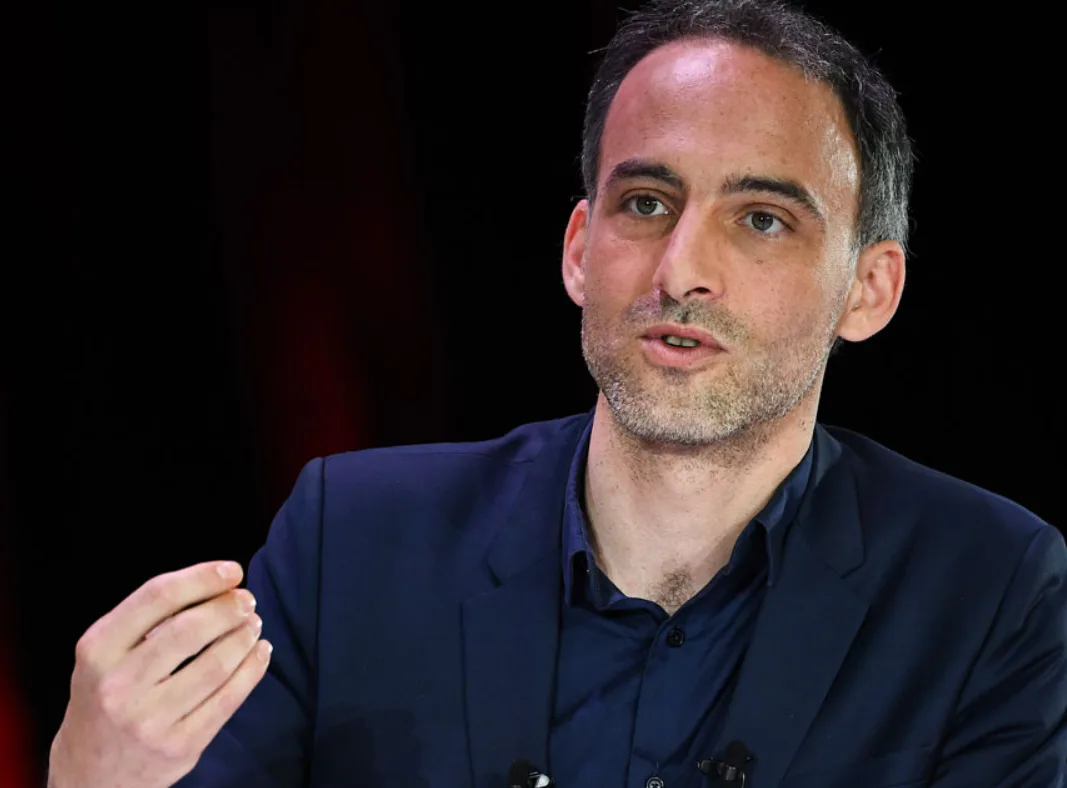
French MEP Raphaël Glucksmann has officially confirmed he was the target of a sophisticated disinformation operation orchestrated by the Russian military intelligence agency, the GRU. According to reports from Le Figaro and UNN, French authorities identified the malicious campaign as the work of the “Storm-1516” network. Glucksmann stated that he was formally briefed on the breach by the French General Secretariat for Defense and National Security (SGDSN), which tracked the operation and definitively traced its origins back to Russian state actors.
The campaign specifically targeted the MEP’s reputation through the creation of a fraudulent website designed to mimic the aesthetics and authority of the legitimate French media outlet Blast. The site published fabricated reports alleging that prominent journalist Léa Salamé—who is Glucksmann’s partner—had engaged in bribery to manipulate media coverage in favor of the politician. By leveraging forged documents and imitating the identities of respected journalists, the perpetrators aimed to lend an air of authenticity to the baseless claims, further bolstered by the strategic use of artificial intelligence to deepen the deception.
Glucksmann has taken a firm stance against these tactics, emphasizing the gravity of such foreign interference in democratic processes. “We will not allow hostile foreign states to steal elections that are so crucial for the future of France,” the politician declared. He argued that the primary objective of these Russian-led operations is not merely to promote a specific narrative, but to render “absolute lies” viral, thereby discrediting figures perceived as enemies by the Kremlin. This move is part of a broader, documented pattern of interference designed to destabilize European political discourse.
The identification of the Storm-1516 network provides further insight into the scale of Russian digital aggression against France. French officials noted that this is not an isolated incident; as recently as late July, the same network was implicated in a smear campaign targeting former French Prime Minister Édouard Philippe, where false information regarding his health was disseminated to cause public confusion. According to data provided by Viginum, the French government’s specialized unit for monitoring foreign digital interference, Storm-1516 has been linked to over 200 disinformation operations across Europe and France since August 2023.
This pattern of behavior highlights a growing alarm among European officials regarding the fragility of digital information ecosystems. Glucksmann warned that as France looks toward the 2027 presidential election, state-sponsored interference is rapidly becoming one of the most significant threats to national sovereignty and the integrity of the ballot box. The sophistication of these attacks, which combine AI-driven content with traditional disinformation tactics, suggests that traditional defenses are being tested to their limits as international actors attempt to influence domestic outcomes.
The news comes against a backdrop of wider reports on Russian state activities, including the ongoing militarization of Russian society and the increasing isolation of the domestic internet. By systematically targeting French political figures and media integrity, the Kremlin is seen as attempting to widen societal rifts and erode public trust in established democratic institutions. As French authorities continue to monitor the Storm-1516 network, the case of Raphaël Glucksmann serves as a stark warning to other European nations that the battle against foreign-backed disinformation will be a defining challenge of the coming electoral cycle.