




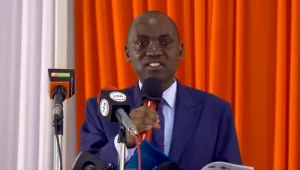



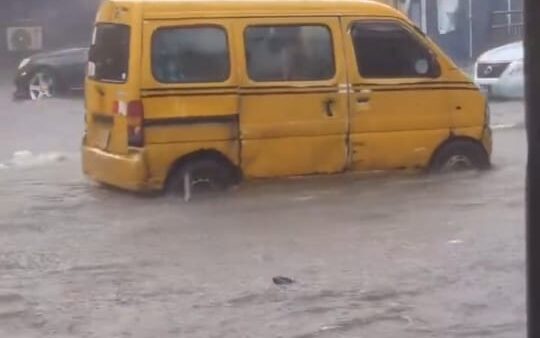
The Lagos State Government has formally accused a segment of social media influencers and bloggers of orchestrating a campaign of misinformation regarding the state’s current flood situation. Tokunbo Wahab, the Commissioner for the Environment and Water Resources, took to the social media platform X on Sunday to allege that these individuals have been deliberately circulating misleading imagery—often depicting flooding from other Nigerian states or foreign countries—and falsely presenting them as scenes occurring within Lagos. According to the Commissioner, this coordinated effort is aimed at fostering a “destructive narrative” designed to undermine the state’s reputation and discredit the government’s ongoing environmental management efforts.
Mr. Wahab expressed deep concern over the trend, noting that while the state government remains vigilant in monitoring environmental reports and responding to genuine citizen complaints through official channels, the online discourse has morphed into a platform for engagement baiting. He criticized influencers who prioritize viral clicks and digital traction over the well-being of residents, arguing that these fabricated visuals distract from real situations that require urgent government intervention. By spreading falsehoods, the Commissioner warned, these actors are not only misleading the public but are also obstructing the government’s ability to address actual, pressing flooding challenges effectively.
Specific to this campaign of misinformation, the Commissioner singled out an X user identified as @Hhonor_ (also known as Nedu) for public rebuke. Mr. Wahab accused the user of taking a photograph of a flood incident in Accra, Ghana, and shamelessly presenting it as a local occurrence in Lagos. In a direct appeal to the user and their peers, the Commissioner labeled the act as “disingenuous and misleading,” cautioning that the intentional spread of falsehoods complicates legitimate rescue and mitigation efforts. He urged all stakeholders to shift away from sensationalism, emphasizing that accurate information is a mandatory component of developing durable, long-term solutions to the state’s environmental hazards.
The current tension follows a series of heavy downpours that recently triggered flash flooding across various districts in Lagos, leading to significant traffic disruptions and the inundation of homes and businesses. These events have naturally sparked public outcry and intense criticism of the state’s flood management policies. In response to the backlash, the government has maintained that the flooding was a result of prolonged, extreme rainfall and that its officials are actively monitoring all affected zones. However, the government contends that this genuine crisis is being exploited by online actors who utilize manipulated or foreign-sourced media to generate a skewed perception of the state’s overall resilience.
Addressing the broader implications of digital conduct, Commissioner Wahab acknowledged that while Nigerian citizens possess the constitutional right to freedom of expression, such freedoms must be exercised within the legal and ethical bounds of society. He called upon residents and digital content creators to practice restraint, urging them to verify the authenticity of visual media before broadcasting it to their audiences. The plea is rooted in the government’s belief that public discourse should be conducted with “responsibility, civility, and respect for the collective interest” of Lagos, rather than being used as a tool to engineer political discontent through deceit.
Ultimately, the Lagos State Government’s stance serves as a clarion call for increased media literacy in an era where digital misinformation can have real-world consequences on governance and public safety. By challenging these narratives, the state is attempting to refocus the conversation on verified data and objective reality. The government remains firm in its position: that while it holds itself accountable for infrastructure and environmental readiness, it will simultaneously resist what it views as a malicious effort to manipulate public perceptions through the digital degradation of the truth.


