









The Rise of AllatRa: How an Apocalyptic Group Infiltrated Global Power Structures
AllatRa, a controversial organization founded in Ukraine and now based in the US, has successfully embedded itself within high-level legislative circles, including the European Parliament, the US Congress, and various UN platforms. While masquerading as a humanitarian research initiative, the group promotes a fringe “doomsday” narrative, claiming humanity will vanish by 2036. Its theories reject scientific consensus on climate change, asserting instead that plastic pollution is causing a cosmic, seismic, and geological catastrophe that will eventually destroy the Earth’s core and atmosphere.
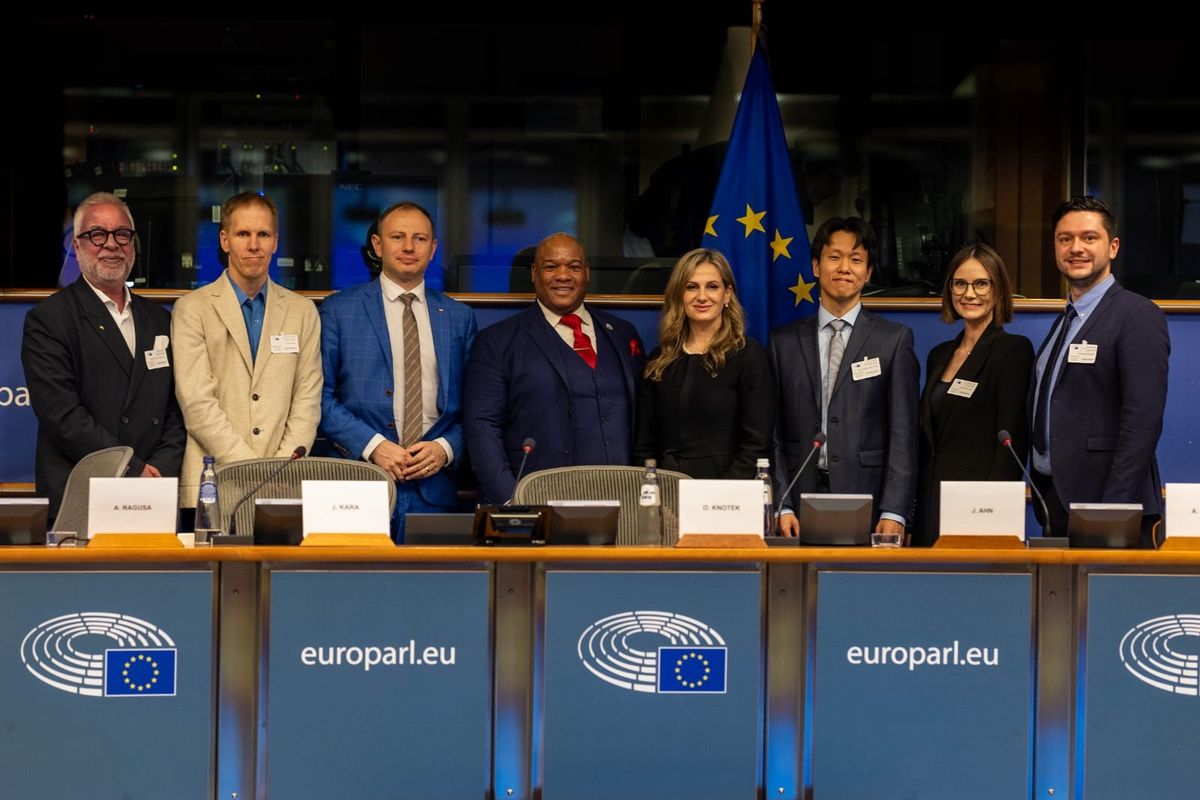
Despite warnings from climate scientists that AllatRa’s claims are pseudoscientific, the organization has leveraged connections with far-right political figures to gain institutional legitimacy. By presenting itself as a think tank, it has co-hosted panels with MEPs like Ondřej Knotek and partnered with influential figures such as Pastor Mark Burns, a spiritual advisor to Donald Trump. These events, often featuring manipulated commentary from legitimate experts, serve a strategic purpose: they divert public attention away from fossil fuel reduction and undermine credible climate policies through what experts call a calculated “climate-delay” strategy.
The organization’s methods of influence are sophisticated, relying on a combination of “Spiritual Diplomacy” and a vast presence on social media platforms like TikTok, where they reach millions. However, their operations have drawn significant scrutiny from international authorities. Ukrainian police raids on the group’s offices uncovered weapons, explosives, and pro-Russian propaganda, leading to investigations of its leaders for high treason. Meanwhile, Czech and Slovak authorities are investigating the group for extremism and the harassment of journalists who have attempted to expose the movement’s true nature, which former members describe as an esoteric, apocalyptic cult.
AllatRa’s access to global summits, including COP conferences and Vatican-backed AI events, was facilitated through secondary associations, such as the “Egypt the Dream Foundation,” which granted them observer status. This access allowed them to present debunked research directly to world leaders and officials. Experts, such as those at the UN Human Rights Council, warn that such groups exploit the vulnerabilities of fragmented digital media landscapes. By using “metaphorical” language to mask their extremist origins, they seek mainstream validation to protect themselves from legal consequences and public skepticism.
The broader implications of AllatRa’s activities point to a growing “epistemological crisis” in global politics. By sowing confusion about climate science, they create perception problems that make it harder for policymakers to implement necessary environmental reforms. As academic Patrycja Sasnal notes, this kind of doomsday disinformation exploits the public’s anxiety and the rapid pace of information consumption, making it nearly impossible for the average citizen to distinguish between rigorous, data-driven climate science and well-funded, politically motivated pseudoscience.
Legislators and environmental authorities are now facing the challenge of curbing this influence. While some European and US officials are beginning to recognize the “hybrid strategy” of using pop-science as a vessel for extremist ideology, the systemic ease with which these groups access parliamentary and UN spaces remains a concern. As traditional gatekeepers lose their authority in the face of algorithmic polarization, the task of safeguarding public understanding of the climate crisis becomes increasingly urgent, pitting objective reality against a persistent, well-funded ecosystem of disinformation.


