


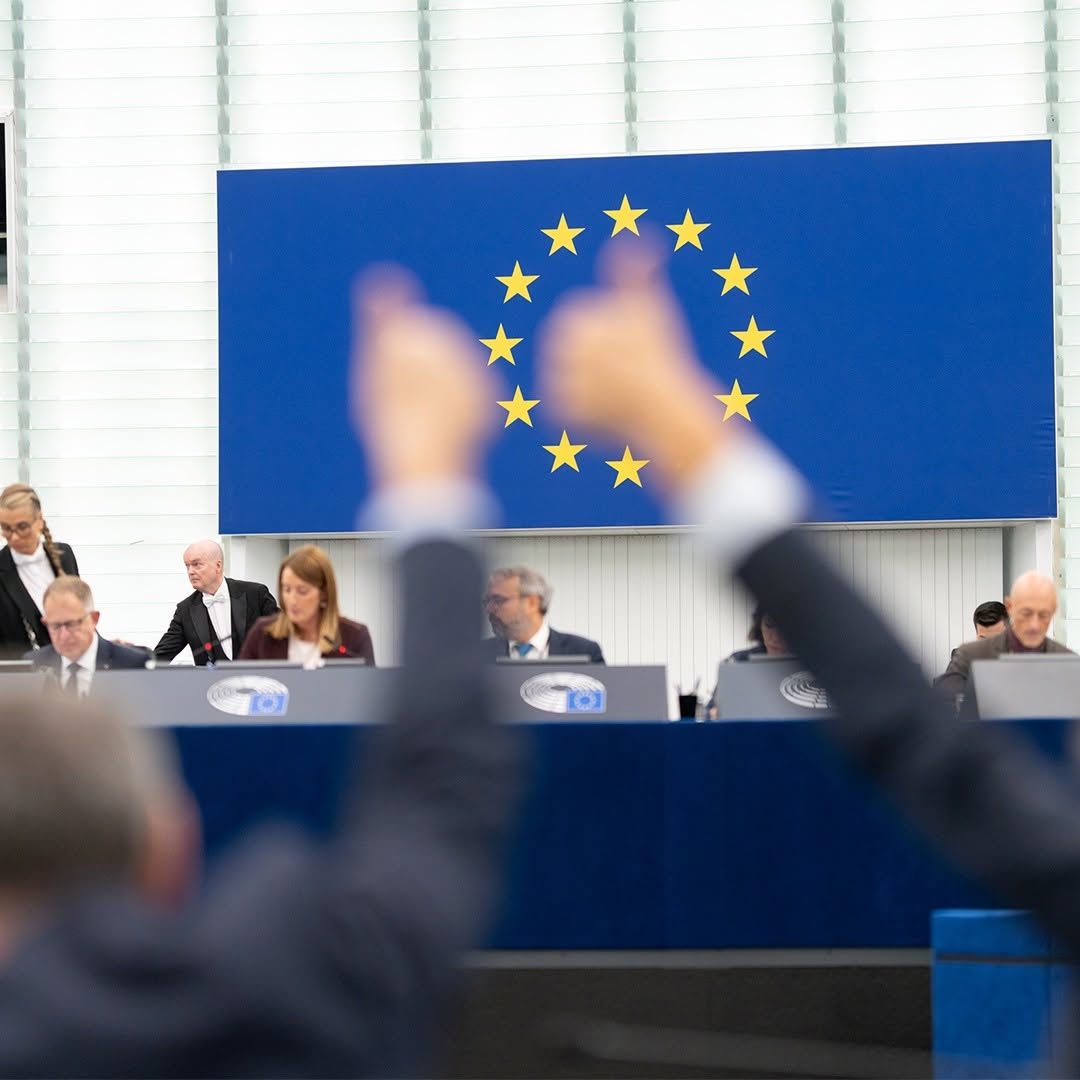
The European Parliament adopted a landmark resolution on June 17, delivering a stern condemnation of Georgia’s current leadership and democratic trajectory. Passed with a significant majority of 436 votes, the resolution explicitly calls for targeted personal sanctions against Bidzina Ivanishvili and key leaders of the Georgian Dream party. The European Union has formally declared that it no longer recognizes the legitimacy of Georgia’s current parliament and authorities, citing profound concerns over state capture, electoral fraud, and an aggressive pivot away from Euro-Atlantic integration.
The resolution highlights a dramatic deterioration in the rule of law and human rights, describing the government’s tactics as mirroring Russian hybrid warfare. MEPs expressed deep regret that Georgia has not only stalled its EU candidate status priorities but has effectively reversed its democratic course. The document specifically calls for the release of all political prisoners and the repeal of restrictive “foreign agent” style legislation, including laws impacting civil society and independent media, which the European Parliament views as systemic efforts to stifle democratic dissent.
Medias outlets aligned with the Georgian Dream—specifically Imedi TV, PosTV, and Rustavi 2—have come under fire for what the resolution terms “hostile propaganda” and “systematic disinformation.” The European Parliament is urging EU institutions to follow the United Kingdom’s lead by imposing restrictive measures on these entities and their financiers. Furthermore, the resolution calls for sanctions against officials within the Georgian National Communications Commission and the Georgian Public Broadcaster, accusing them of enabling the government’s efforts to suppress independent voices and manipulate public opinion.
Geopolitical shifts are a major focal point, as European lawmakers expressed alarm over Georgia’s declining alignment with EU foreign policy—which has fallen to 40%—and its burgeoning economic ties with Russia, China, and Iran. The resolution warns that Georgia’s increasing cooperation with sanctioned regimes, including the involvement of Chinese state-owned enterprises in strategic infrastructure like the Anaklia Port, poses a significant threat to national sovereignty and the security of the EU’s “Middle Corridor” projects.
The resolution remains staunchly committed to Georgia’s territorial integrity, condemning the ongoing Russian occupation of Abkhazia and South Tskhinvali/South Ossetia regions. However, it notes with concern that Russian-style misinformation is increasingly being channeled through various networks, including religious institutions, to undermine Georgia’s pro-European orientation. Despite these challenges, the European Parliament continues to emphasize its solidarity with the Georgian people, maintaining that any future engagement or financial support for the government must be strictly conditional on verifiable, tangible steps to restore democratic norms.
Finally, the document serves as a direct challenge to the current Georgian government to abandon its repressive legislative agenda, including recent laws targeting LGBTIQ+ rights and civil society organizations. While the resolution was met with resistance from certain political groups, such as the ESN, which labeled the sanctions as “unjustified interference,” the clear consensus of the Parliament stands: until the Georgian authorities reverse their anti-democratic course and demonstrate a genuine commitment to European values, they will face escalating international isolation and targeted punitive measures aimed at those responsible for the country’s democratic backsliding.